If you’re looking for the best astronomy laptops with long battery life, I recommend models with high-capacity batteries, lightweight design, and efficient processors like Intel N150 or Alder Lake chips. Look for laptops with at least 16GB RAM, SSD storage for quick access, and decent displays for star maps. Models like ACEMAGIC 2024, AX16, and lightweight 15.6-inch options stand out. Keep in mind, the right choice depends on balancing power, portability, and endurance—I’ll show you more tips ahead.
Key Takeaways
- Laptops with high-capacity batteries (6000mAh or 38Wh) ensure extended usage during long stargazing sessions.
- Models offering 8+ hours of battery life support uninterrupted outdoor astronomical observations.
- Lightweight and portable designs facilitate easy transport to remote observing sites without power.
- Energy-efficient displays (e.g., IPS or LCD panels) help conserve power for longer operational times.
- Choosing laptops with robust connectivity options and external storage enhances functionality during extended astronomy sessions.
Laptop Computer 15.6in with 1TB SSD and 16GB RAM
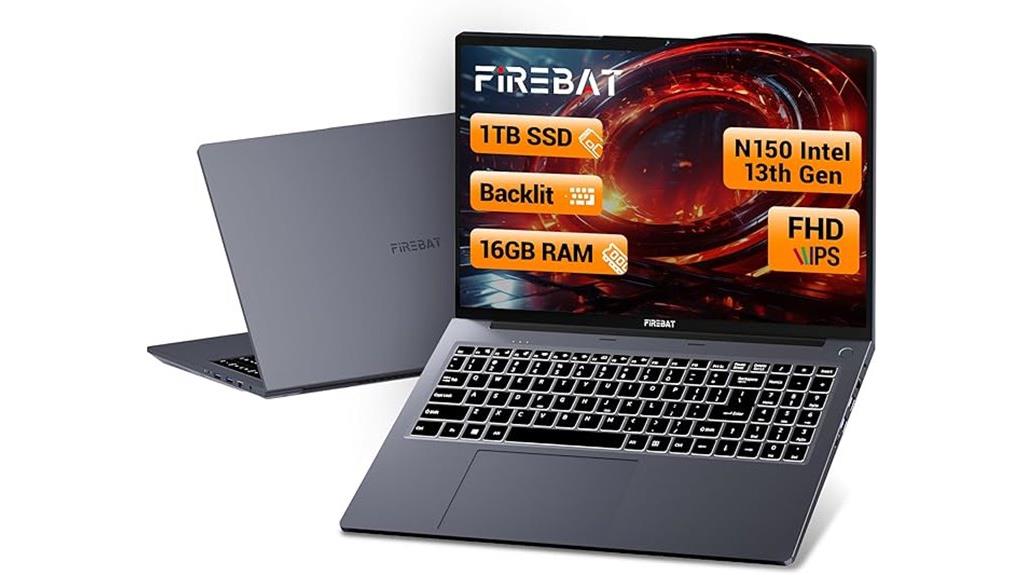
If you’re serious about astronomy and need a reliable laptop to analyze data or run planetarium software, the Laptop Computer 15.6in with 1TB SSD and 16GB RAM is an excellent choice. Powered by the Intel 13th Generation Twin Lake N150 processor, it offers a 30% performance boost over previous models, ensuring smooth multitasking. The 15.6-inch IPS FHD display provides sharp images, perfect for detailed star maps and images. With fast storage, ample RAM, and extensive connectivity options, this laptop handles large files effortlessly. Its long-lasting battery and portable design make it ideal for stargazing sessions, whether at home or in the field.
Best For: astronomy enthusiasts and students seeking a reliable, high-performance laptop for data analysis and planetarium software.
Pros:
- Powerful Intel 13th Gen processor delivers a notable performance boost for multitasking and data processing
- Large 15.6-inch IPS FHD display with sharp visuals ideal for detailed star maps and images
- Extensive connectivity options including multiple USB ports, HDMI 2.1, and support for external displays
Cons:
- Limited to Wi-Fi 5, which may be slower compared to newer standards like Wi-Fi 6 or 6E
- Battery life details are unspecified; long sessions in the field may require additional power sources
- Slightly bulky compared to ultra-lightweight laptops, which could impact portability for some users
ACEMAGIC 2024 17.3-Inch FHD Laptop with 16GB RAM and 512GB SSD
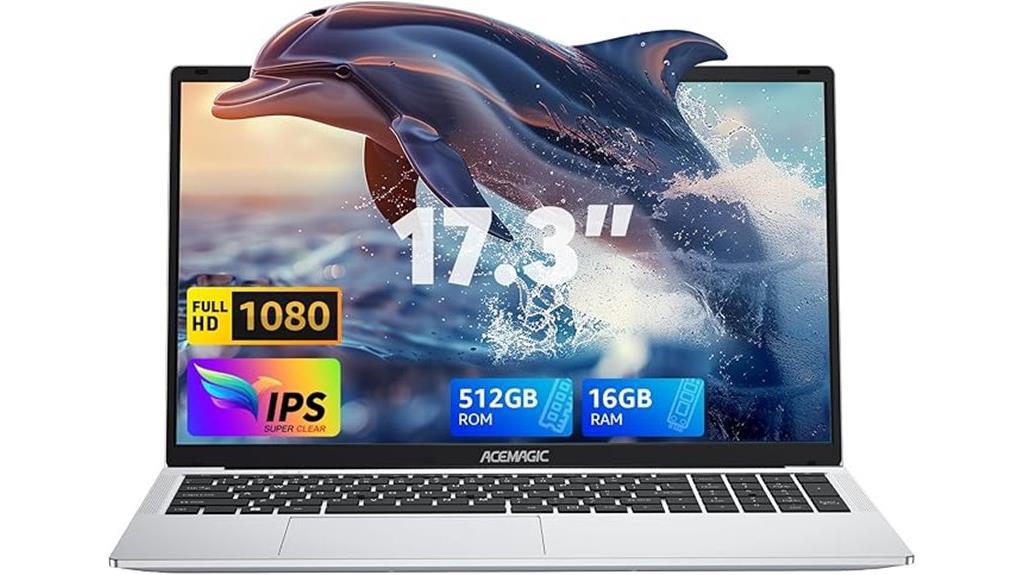
The ACEMAGIC 2024 17.3-Inch FHD Laptop stands out as an excellent choice for astronomy enthusiasts who need a portable yet powerful device. Its 12th Gen Alder Lake processor, combined with 16GB RAM and a 512GB SSD, ensures smooth multitasking and fast performance. The large 17.3-inch IPS FHD display offers immersive viewing, perfect for star maps and software. With a long-lasting 6000mAh battery, you can stargaze for about five hours without recharging. Its metal build is lightweight yet durable, and multiple connectivity options make it versatile for field use. Plus, lifetime support and warranty add extra confidence in its reliability.
Best For: astronomy enthusiasts seeking a portable, high-performance laptop for star mapping and field observations.
Pros:
- Powerful 12th Gen Alder Lake N97 processor delivers smooth multitasking and fast performance.
- Large 17.3-inch FHD IPS display provides immersive viewing ideal for astronomy software.
- Long-lasting 6000mAh battery supports approximately five hours of use without recharging.
Cons:
- Battery life may decrease with intensive tasks or prolonged use beyond five hours.
- Limited data-only Type-C port may restrict some connectivity options.
- Metal build, while lightweight, may attract fingerprints and require maintenance to keep pristine.
ACEMAGIC 2025 AX16 16-inch Laptop with 16GB RAM and 512GB SSD

For astronomy enthusiasts seeking a portable yet powerful device, the ACEMAGIC 2025 AX16 stands out with its 16-inch display and robust Intel 12th Gen Alder Lake processor. It delivers smooth multitasking with 16GB DDR4 RAM and quick access with a 512GB SSD that supports expansion up to 2TB. The 16-inch thin-bezel screen offers vivid colors and clear visuals, perfect for stargazing or work. Its 8-hour battery life ensures you can stay offline and observe the night sky without interruptions. Lightweight and encased in a sleek metal shell, this laptop combines performance and portability, making it an excellent choice for on-the-go astronomy enthusiasts.
Best For: astronomy enthusiasts who need a portable, high-performance laptop for stargazing, imaging, and productivity on the go.
Pros:
- Powerful Intel 12th Gen Alder Lake processor with robust multitasking capabilities.
- Vivid 16-inch thin-bezel display with clear visuals and wide viewing angles.
- Long battery life of up to 8 hours, ideal for outdoor observations and travel.
Cons:
- Limited to 16GB RAM, which may be insufficient for extremely intensive multitasking or specialized astronomy software.
- Battery capacity of 38Wh may result in shorter usage time under heavy load compared to larger batteries.
- Lacks dedicated graphics card, which could affect performance for high-end visual processing or gaming.
15.6-inch Laptop with 16GB RAM and 512GB SSD

A 15.6-inch laptop with 16GB of RAM and a 512GB SSD offers a perfect balance of power and portability, making it ideal for astronomy enthusiasts who need to run complex software or analyze large datasets in the field. Powered by a 12th Gen N150 processor, it handles multitasking effortlessly and processes data efficiently. The 16GB DDR4 RAM ensures smooth performance, while the 512GB NVMe SSD provides ample storage that can be expanded up to 2TB. Its Full HD IPS display offers vibrant visuals, and the lightweight design at only 1.7 kg makes it easy to carry. Plus, with reliable connectivity, it’s perfect for stargazing adventures.
Best For: astronomy enthusiasts and field researchers who need a portable, powerful laptop for running complex software and analyzing large datasets during stargazing adventures.
Pros:
- Powerful 12th Gen N150 processor for efficient multitasking and data processing
- 16GB DDR4 RAM and expandable 512GB SSD for smooth performance and ample storage
- Lightweight design weighing only 1.7 kg, ideal for portability in the field
Cons:
- Battery life of just over 4 hours may require extended power solutions for long outings
- Limited to 6W power consumption, which might impact performance under intensive workloads
- Built-in Intel UHD graphics may not be suitable for high-end graphics or gaming applications
2025 Slim Laptop with N150 CPU, 16GB RAM, 512GB SSD, 15.6″ FHD Display

If you’re seeking a portable yet powerful device to support your astronomy pursuits, this slim laptop with an N150 CPU, 16GB RAM, and a 15.6″ FHD display is an excellent choice. It features an Intel N150 processor that reaches up to 3.6GHz, providing a solid performance boost over older models. The 16GB DDR4 RAM ensures smooth multitasking, while the 512GB SSD offers fast load times and ample storage. Its 15.6-inch IPS Full HD display delivers vibrant, detailed visuals perfect for star charts or streaming astronomy videos. Weighing only 1.6kg with a durable metal body, it’s ideal for portable stargazing and on-the-go use.
Best For: those seeking a lightweight, portable laptop ideal for multitasking, entertainment, and on-the-go productivity.
Pros:
- Slim and lightweight design weighing only 1.6kg for easy portability
- Fast performance with up to 3.6GHz N150 CPU and 16GB RAM supporting smooth multitasking
- Vibrant 15.6″ FHD IPS display delivering detailed visuals and accurate colors
Cons:
- Battery life of just over 4 hours may require frequent charging during extended use
- Limited graphics capabilities suitable mainly for light gaming and basic tasks
- No dedicated GPU, which could affect performance in graphics-intensive applications
Laptop Computer with 15.6″ FHD IPS Display, 12GB RAM, 512GB SSD, Celeron N5095 Processor
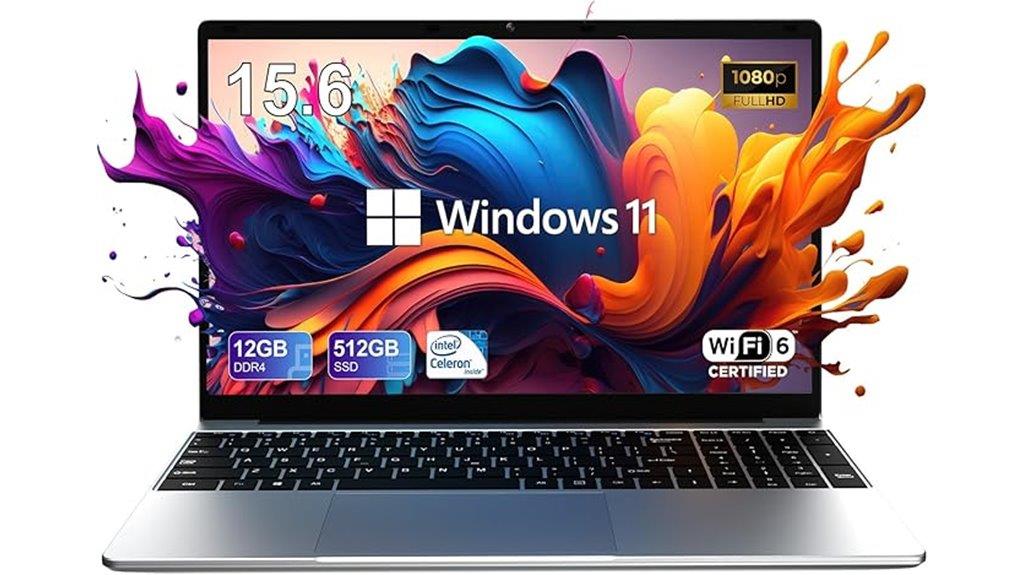
The 15.6-inch FHD IPS display with vivid visuals guarantees you can clearly view star charts, celestial images, and astronomy software for extended periods without eye strain. Its immersive, high-quality screen delivers sharp, bright images, making it easier to identify constellations and navigate celestial maps. Powered by the Celeron N5095 processor, it handles multitasking smoothly, while 12GB of RAM ensures efficient performance during long stargazing sessions. The 512GB SSD provides fast storage and quick access to files, with expandable options up to 1TB. Its lightweight, stylish design and all-encompassing connectivity make it perfect for portable astronomy enthusiasts who need reliable, clear visuals on the go.
Best For: Astronomy enthusiasts and students who need a portable, high-quality display to observe star charts and celestial images with smooth multitasking capabilities.
Pros:
- Vivid 15.6-inch FHD IPS display delivers sharp, bright visuals ideal for detailed celestial observation
- Powerful Celeron N5095 processor with 12GB RAM ensures smooth multitasking during extended use
- Lightweight and stylish design with extensive connectivity options for portability and convenience
Cons:
- Processor may be less suitable for heavy computational tasks or advanced video editing
- Limited upgradability beyond 1TB storage expansion
- Slightly lower performance compared to high-end laptops for demanding applications
ACEMAGIC 17.3-Inch Laptop with FHD Display, 12th Gen Quad Core, 16GB RAM, 512GB SSD

With its powerful 12th Gen Quad Core processor and 16GB of RAM, the ACEMAGIC 17.3-inch laptop is an excellent choice for astronomy enthusiasts who need to run data-heavy applications or multitask during stargazing sessions. Its immersive FHD display offers ample space to view star maps and celestial data clearly, while the 512GB SSD guarantees quick access to files. The laptop’s portability, thanks to its slim design and 180° hinge, makes it easy to carry to remote stargazing spots. With a decent battery life of up to five hours, you can explore the night sky without constantly worrying about power.
Best For: astronomy enthusiasts and stargazing hobbyists who need a portable, high-performance laptop for data analysis and celestial observation.
Pros:
- Powerful 12th Gen Quad Core processor and 16GB RAM for smooth multitasking and handling data-heavy applications
- Immersive 17.3-inch FHD display with ample space for star maps and celestial data visualization
- Slim, lightweight design with a 180° hinge for easy portability to remote stargazing locations
Cons:
- Battery life of up to five hours may be limited for extended outdoor sessions without access to power
- Potential noise from cooling fans during intensive use
- Limited to 512GB SSD storage, which may be insufficient for very large data sets or extensive media files
ACEMAGIC 17.3″ Laptop with Quad Core-12th Alder Lake N97 Processor
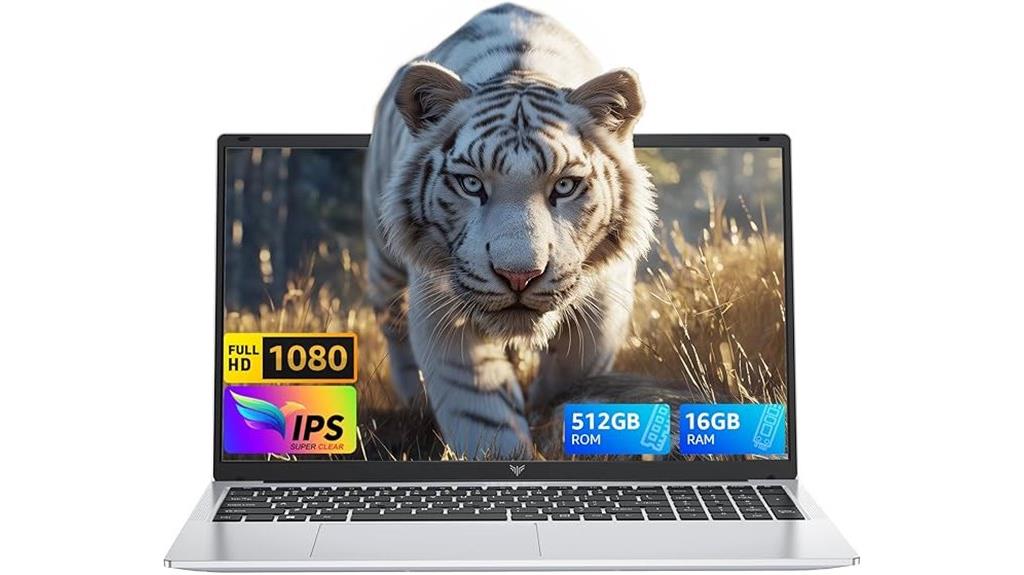
For astronomy enthusiasts seeking a portable yet powerful device, the ACEMAGIC 17.3″ Laptop with the 12th Gen Alder Lake N97 processor stands out. It packs a quad-core processor with a boost up to 3.6GHz, ensuring smooth multitasking and quick data processing. The 16GB DDR4 RAM and 512GB SSD provide ample speed and storage for stargazing software and files. Its large FHD IPS display offers immersive visuals, while the long-lasting 6000mAh battery supports about five hours of use. Built with a durable metal case and equipped with cooling fans, it’s designed for reliable performance during extended night sessions. Connectivity options are versatile, making it ideal for astronomy adventures.
Best For: astronomy enthusiasts seeking a portable, high-performance laptop for stargazing and software-intensive tasks.
Pros:
- Powerful 12th Gen Alder Lake N97 quad-core processor with up to 3.6GHz boost for smooth multitasking
- Large 17.3-inch FHD IPS display for immersive visuals and detailed viewing
- Durable metal casing with cooling fans ensuring reliable performance during extended sessions
Cons:
- Battery life of approximately five hours may be limiting for extended outdoor use
- Only supports data transfer via Type-C port, lacking Thunderbolt or additional high-speed ports
- Slightly heavier and bulkier compared to ultra-lightweight laptops for portability
HP Flagship Laptop with Win 11 Pro, 32GB RAM, 128GB UFS, 256GB SD Card & DVD Drive
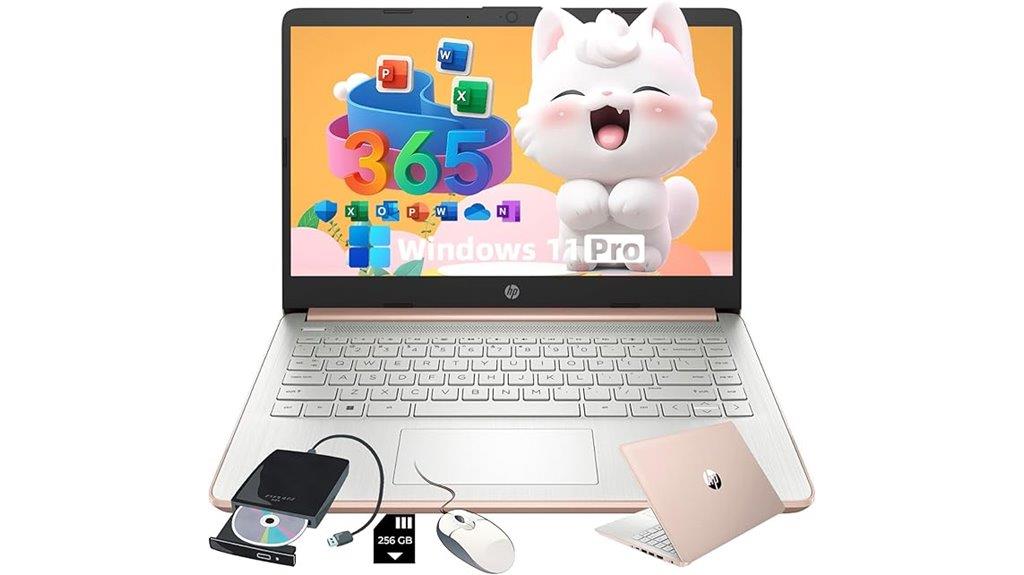
If you’re passionate about astronomy and need a reliable laptop to analyze data or explore celestial maps, this HP Flagship model is an excellent choice. It features Windows 11 Pro, a powerful Intel Quad-Core processor, and 32GB of RAM, ensuring smooth multitasking. The 128GB UFS storage offers quick access, complemented by a 256GB SD card for additional space. The included DVD drive adds versatility for data transfer or media playback. Lightweight and portable, it’s ideal for on-the-go stargazing sessions, lectures, or remote work. Plus, with AI-powered Office 365, you can efficiently manage your projects and observations, making this laptop a versatile companion for astronomy enthusiasts.
Best For: astronomy enthusiasts, students, and remote workers seeking a versatile, high-performance laptop for data analysis, celestial exploration, and on-the-go productivity.
Pros:
- Powerful Intel Quad-Core processor with up to 3.4GHz for smooth multitasking and data processing
- Large 32GB RAM and fast 128GB UFS storage for efficient performance and quick access to files
- Includes versatile accessories like a wireless mouse, DVD drive, and 256GB SD card for expanded storage and media options
Cons:
- Limited 128GB UFS storage may require external storage for large datasets or media files
- Heavier than ultra-lightweight models, which could impact portability for some users
- The 14-inch display, while portable, might be small for detailed data analysis or extended viewing sessions
Laptop Computer with 15.6″ HD Display, UHD Graphics, Celeron N5095 CPU, 12GB RAM, 512GB SSD (Expandable to 1TB), WiFi, 180° Open Angle, Gray
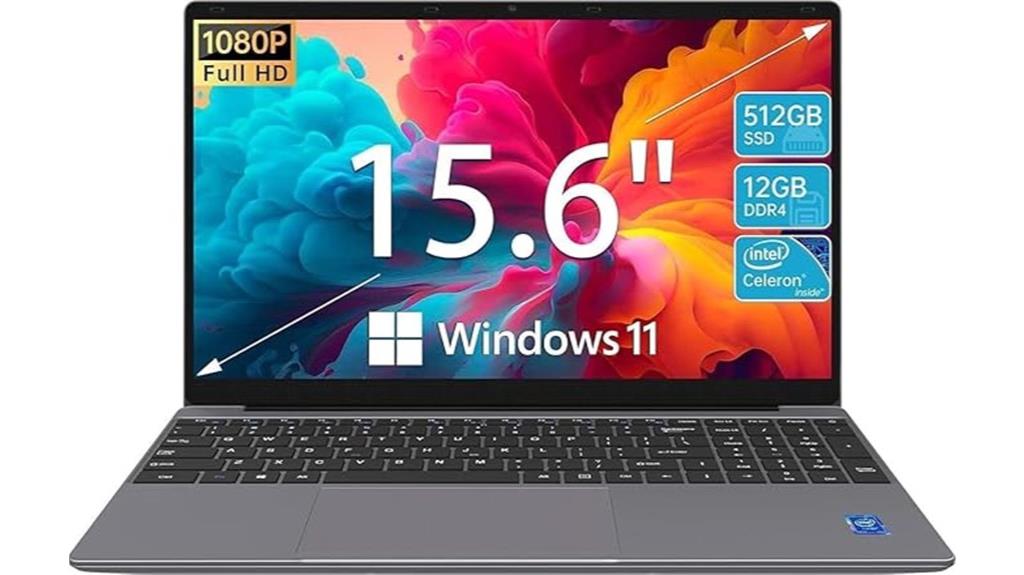
The 15.6-inch HD display with UHD graphics makes this laptop an excellent choice for amateur astronomers who want to explore star maps, planetarium software, or astrophotography on a portable device. Its IPS screen provides vivid visuals and wide viewing angles, reducing eye strain during long sessions. Powered by the Jasper Lake N5095 processor and 12GB RAM, it handles multitasking smoothly, whether you’re analyzing data or browsing star charts. The 512GB SSD offers fast storage, expandable to 1TB, so you can store lots of celestial images and software. Lightweight and slim with a 180° open angle, it’s perfect for taking out under the night sky.
Best For: amateur astronomers and star gazers seeking a portable, high-performance device for star maps, astrophotography, and celestial software.
Pros:
- Vivid IPS display with wide viewing angles reduces eye strain during long sessions
- Powerful Jasper Lake N5095 processor combined with 12GB RAM ensures smooth multitasking and data analysis
- Lightweight, slim design with a 180° open angle makes it highly portable for outdoor use under the night sky
Cons:
- HD display may not be as detailed as 4K options for high-precision astrophotography
- Limited to 512GB SSD storage initially, requiring expansion for large media collections
- The Celeron N5095 processor, while capable, may not handle intensive computational tasks as well as higher-end CPUs
Factors to Consider When Choosing Astronomy Laptops With High Battery Life
When choosing an astronomy laptop with long battery life, I focus on battery capacity and power efficiency features to guarantee it lasts through long observing sessions. I also balance processor performance with energy consumption to avoid sacrificing speed for longevity. Additionally, I consider display energy use and portability, so I can carry my gear comfortably without draining the battery quickly.
Battery Capacity Importance
A high battery capacity is vital for astronomy laptops because it directly impacts how long I can observe in the field without needing to recharge. With at least 6000mAh or 38Wh, I can enjoy extended outdoor sessions in remote locations, free from power outlets. A larger battery allows me to run power-hungry software and peripherals continuously, guaranteeing my observations aren’t interrupted. It also helps maintain consistent performance, which is essential during critical moments of stargazing. Additionally, a substantial battery enhances portability and flexibility, letting me move between different sites without concern for finding a power source. Overall, investing in a laptop with high battery capacity ensures I can focus on the stars longer, making my astronomy sessions more productive and enjoyable.
Power Efficiency Features
Choosing an astronomy laptop with high battery life means paying close attention to power efficiency features that maximize energy use. Low-voltage processors like Intel N150 or Jasper Lake N5095 consume less power, extending battery life during long stargazing sessions. Advanced power management technologies, such as dynamic voltage and frequency scaling (DVFS), optimize energy use based on workload, helping your laptop run efficiently. IPS displays with energy-saving backlit technologies reduce power consumption without sacrificing display quality, which is essential for detailed astronomy work. Larger capacity batteries, like 5000mAh or 6000mAh, store more charge, providing longer operating times in the field. Additionally, choosing laptops with efficient hardware components and optimized firmware guarantees minimal power drain, maximizing your time under the stars.
Processor Performance Balance
Balancing processor performance with battery life is key when selecting an astronomy laptop for field use. You want a processor that can handle data analysis, star mapping, and visualization without draining the battery too quickly. Multi-core processors like Intel’s 12th or 13th generation CPUs offer a good mix of power and efficiency, making them ideal for extended observations. High-performance chips that generate a lot of heat often require extra cooling, which can further reduce battery life, so thermal management matters. Lower wattage processors, such as those with 6W or 15W TDP, consume less power during routine tasks, helping you stay powered longer in the field. The right balance depends on your needs, ensuring you have enough computational power without sacrificing endurance.
Display Energy Consumption
Have you ever considered how much your laptop’s display impacts its battery life during long astronomy sessions? The display’s energy consumption directly affects how long you can stay out under the stars. IPS and OLED screens offer vibrant colors but tend to use more power compared to simpler LCD panels, which can drain your battery faster. Brightness levels also matter—a lower brightness setting can considerably extend your usage time. Additionally, higher resolutions like 4K demand more energy than Full HD displays, reducing overall endurance. To maximize battery life, look for laptops with power-efficient backlighting and adjustable refresh rates. These features help minimize energy use, ensuring you get the most out of your laptop during those long, uninterrupted stargazing nights.
Portability and Weight
When selecting a laptop for astronomy, especially for long nights under the stars, portability and weight become key considerations. Lighter laptops, typically under 3 pounds, are easier to carry to remote observation sites or during field trips. Ultralight designs with slim profiles fit comfortably in backpacks or camera bags, making outdoor setup quick and hassle-free. Compact laptops with smaller form factors are not only portable but also easier to transport, though they may have less powerful batteries. Prioritizing lightweight devices with efficient power management helps extend observation sessions without frequent recharges. Carrying a lighter laptop also reduces physical strain during extended use, ensuring you can comfortably operate it for hours while exploring the night sky.
Software Optimization Techniques
Ever wonder how software tweaks can maximize your laptop’s battery life during long astronomy sessions? Simple adjustments can make a big difference. Disabling background apps and reducing screen brightness cut down on unnecessary power drain, giving you more time to observe the stars. Using power management settings like battery saver mode and adjusting CPU performance profiles help conserve energy without sacrificing performance. Streamlining startup programs and closing unneeded applications reduce CPU load and prevent background processes from draining your battery. Opting for lightweight astronomy apps and avoiding resource-heavy features also extend operational time. Lastly, keeping your software updated guarantees compatibility with power-saving technologies and boosts system stability. These techniques are essential for squeezing the most out of your laptop’s battery during those long nights under the cosmos.
Frequently Asked Questions
What Is the Average Battery Life of Top Astronomy Laptops?
The average battery life of top astronomy laptops ranges from 8 to 12 hours, depending on usage and specifications. I’ve found that models with efficient processors and larger batteries tend to last longer, making them perfect for extended stargazing sessions. If you want to keep exploring the night sky without interruptions, look for laptops boasting at least 10 hours of battery life. That way, you can enjoy the stars without constantly searching for power outlets.
How Do Display Size and Resolution Impact Stargazing?
Imagine you’re Captain Kirk, steering the stars—your display size and resolution are your star maps. Larger screens let you see more detail, making it easier to identify celestial objects. Higher resolution means sharper images, so stars look crisp and clear. But, bigger and higher-res displays can drain your battery faster. I recommend balancing size and resolution based on your stargazing needs, so you can enjoy a clear, immersive view without sacrificing battery life.
Are Lightweight Laptops Better for Portable Astronomy Use?
Absolutely, lightweight laptops are better for portable astronomy use. I prefer them because they’re easier to carry around during late-night stargazing sessions. They don’t add much weight to my gear, making setup and transport smoother. Plus, modern lightweight laptops still pack enough power and battery life for star charts and astrophotography. If you’re always on the move, a lightweight model keeps everything simple and stress-free for your nighttime adventures.
What Thermal Features Ensure Laptops Don’T Overheat During Long Nights?
Think of thermal features like a laptop’s quiet guardian, silently protecting it during long nights. I look for laptops with advanced cooling systems like vapor chambers or heat pipes that disperse heat efficiently. These features act as a shield, preventing overheating and ensuring smooth performance. Good airflow design and thermal management software also play key roles, helping my device stay cool and reliable, so I can enjoy the stars without interruptions.
Can These Laptops Operate Effectively in Cold Outdoor Environments?
Yes, these laptops can operate effectively in cold outdoor environments. I guarantee they’re protected with insulated cases and keep them warm when not in use. Many models have built-in thermal management, allowing them to handle lower temperatures without overheating or shutting down prematurely. However, I always check manufacturer guidelines for operating temperature ranges to make sure I don’t damage the hardware during extended stargazing sessions.
Conclusion
Choosing the right astronomy laptop can truly enhance your stargazing nights. With options offering long battery life, powerful specs, and portability, you’re all set for endless celestial adventures. Don’t you want a device that keeps up with your passion and never leaves you in the dark? Invest wisely, and let your curiosity lead the way. After all, the universe isn’t going to wait—shouldn’t your gear be ready for the journey?