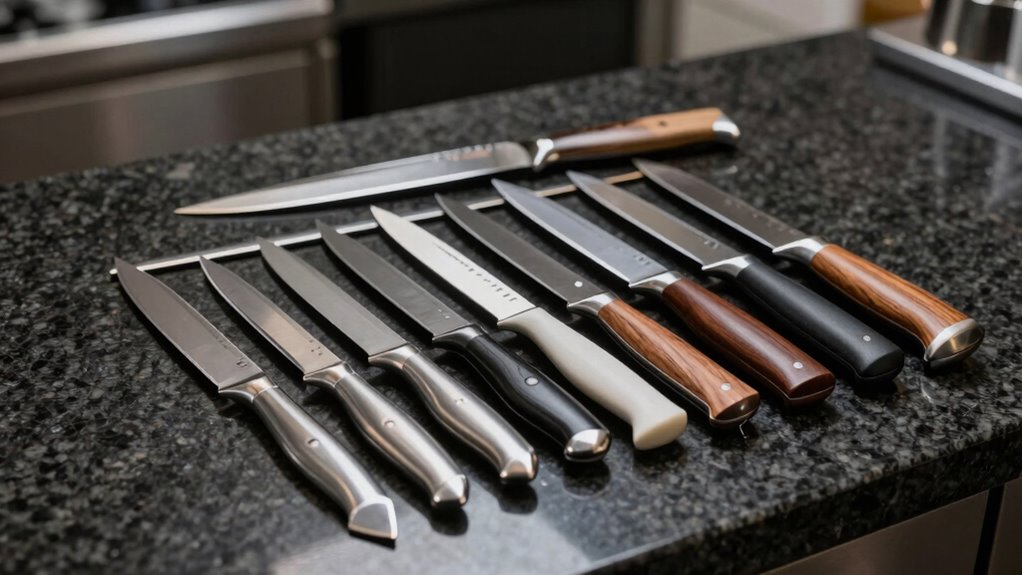

The Victorinox Fibrox Pro 6-Inch Curved Boning Knife is my best overall pick for its practical balance of curved shape, semi-stiff blade, and easy-care handle. For a flexible blade suited to delicate work, the Victorinox Swiss Classic 6-Inch is a standout, while the Mercer Culinary Millennia 6-Inch Stiff is better for firmer cuts and controlled work around joints. The main choice is between a stiff blade for leverage and a flexible one for close trimming, along with deciding whether a longer blade or more specialized handle suits your routine. This roundup compares 15 boning knives across those differences, including options for fish, meat, beginners, and occasional use. Read on for the full breakdown and help choosing the right fit.

Get kitchen gear delivered free — and shop member deals
- Fast, free delivery on millions of items
- Access to Prime Big Deal Days deals on October 6–7
- Prime Video, Amazon Music and more included
Complete the kit


Key Takeaways
- Blade stiffness separates the leading use cases: the Victorinox Fibrox Pro semi-stiff curved knife is the most balanced all-rounder, while the Mercer Millennia stiff blade favors firm, controlled cuts and the Victorinox Swiss Classic flexible blade suits finer work.
- Six inches is the recurring practical length: most picks use it, giving buyers a useful balance of reach and control; the HOSHANHO 7- and 9-inch fillet knives make more sense when longer strokes matter.
- Curved boning profiles and fillet profiles are not interchangeable: curved blades support work around bones and joints, while slender fillet knives are better aligned with delicate fish preparation.
- Handle choice changes the care and feel tradeoff: Fibrox and other synthetic handles emphasize practical kitchen use, while the Victorinox Wood model brings a wood handle that calls for more careful maintenance.
- Not every bundle or accessory adds value for every buyer: the Cutluxe carving set is suited to shoppers who need both slicing and boning tools, while the Kitchen Perfection sheath addresses storage and blade protection for a single knife.
| Rondauno 6-Inch Boning Knife |  | Best for a Secure, Simple Grip | Blade length: 6 in | Blade material: High-carbon stainless steel | Blade edge: Plain | VIEW ON AMAZON | See Our Full Breakdown |
| Victorinox Fibrox Pro 6-Inch Curved Boning Knife |  | Best for Flexible, Contour-Following Cuts | Blade length: 6 inches | Blade material: Stainless steel | Blade shape: Curved | VIEW ON AMAZON | See Our Full Breakdown |
| HOSHANHO 7-Inch Boning Knife |  | Best for Extended Reach and Edge Retention | Blade length: 7 inches | Blade material: High-carbon stainless steel (10Cr15CoMoV) | Handle material: Pakkawood | VIEW ON AMAZON | See Our Full Breakdown |
| imarku 6-Inch German High-Carbon Stainless Steel Fillet Knife |  | Best for Hand-Wash-Only Pakkawood Grip | Blade length: 6 inches | Blade material: German high-carbon stainless steel | Hardness: 56 HRC | VIEW ON AMAZON | See Our Full Breakdown |
| Cutluxe 6-Inch Curved Boning Knife |  | Best Forged Build and Warranty | Blade length: 6 inches | Blade edge: Plain | Construction: Forged | VIEW ON AMAZON | See Our Full Breakdown |
| Victorinox Wood 6-Inch Curved Boning Knife, Semi-Stiff Blade, Maple Handle |  | Best for Controlled Curved Trimming | Brand: Victorinox | Blade length: 5.91 inches | Item length: 14.76 inches | VIEW ON AMAZON | See Our Full Breakdown |
| HOSHANHO 7-Inch Japanese Stainless Steel Fillet Knife |  | Best for Fish and Flexible Filleting | Blade length: 7 inches | Blade material: 10Cr15CoMoV Japanese stainless steel | Edge angle: 15 degrees per side | VIEW ON AMAZON | See Our Full Breakdown |
| HOSHANHO 9-Inch Japanese Stainless Steel Fillet Knife |  | Best for Long Fish Fillets | Brand: HOSHANHO | Blade length: 9 inches | Blade material: 10Cr15CoMoV Japanese stainless steel | VIEW ON AMAZON | See Our Full Breakdown |
| Cutluxe Carving Knife Set with Brisket Slicing and Boning Knives |  | Best Boning-and-Carving Set | Set contents: 12-inch brisket slicing knife and 6-inch boning knife | Blade edge: Granton | Construction: Full tang | VIEW ON AMAZON | See Our Full Breakdown |
| Victorinox Swiss Classic 6-Inch Flexible Boning Knife |  | Best Lightweight Flexible Boning Knife | Brand: Victorinox | Blade length: 6 inches | Blade material: Stainless steel | VIEW ON AMAZON | See Our Full Breakdown |
| Mercer Culinary Millennia 6-Inch Stiff Boning Knife, Black Handle |  | Best for Firm, Controlled Trimming | Series: Millennia | Blade length: 6 inches | Blade type: Stiff boning knife | VIEW ON AMAZON | See Our Full Breakdown |
| Mercer Culinary Ultimate White 6-Inch Curved Boning Knife |  | Best for Curved, Close-to-Bone Cuts | Series: Ultimate White | Model: M18180 | Blade length: 6 inches | VIEW ON AMAZON | See Our Full Breakdown |
| Victorinox Fibrox Pro Curved Semi-Stiff Boning Knife, 6-Inch |  | Best Balanced Semi-Stiff Pick | Blade length: 6 inches | Blade material: Stainless steel | Blade type: Curved, semi-stiff | VIEW ON AMAZON | See Our Full Breakdown |
| Winco 6-Inch Red Commercial Boning Knife |  | Best for Foodservice Kitchens | Model: KWP-60R | Blade length: 6 inches | Blade material: X50 Cr MoV15 German steel | VIEW ON AMAZON | See Our Full Breakdown |
| Kitchen Perfection 6-Inch Boning Knife with Sheath |  | Best for Storage and Multi-Task Use | Blade length: 6 inches | Blade material: High-carbon German steel | Blade hardness: 56+ HRC | VIEW ON AMAZON | See Our Full Breakdown |
| boning knife | Blade length | Blade material | Handle material | Construction |
|---|---|---|---|---|
| Rondauno 6-Inch Boning Knife | 6 in | High-carbon stainless steel | ABS | Stamped |
| Victorinox Fibrox Pro 6-Inch C | 6 inches | Stainless steel | — | — |
| HOSHANHO 7-Inch Boning Knife | 7 inches | High-carbon stainless steel (10Cr15CoMoV) | Pakkawood | Forged |
| imarku 6-Inch German High-Carb | 6 inches | German high-carbon stainless steel | FSC-certified pakkawood | — |
| Cutluxe 6-Inch Curved Boning K | 6 inches | — | — | Forged |
| Victorinox Wood 6-Inch Curved | 5.91 inches | Stainless steel | Wood | Stamped |
| HOSHANHO 7-Inch Japanese Stain | 7 inches | 10Cr15CoMoV Japanese stainless steel | Pakkawood | — |
| HOSHANHO 9-Inch Japanese Stain | 9 inches | 10Cr15CoMoV Japanese stainless steel | Pakkawood | — |
| Cutluxe Carving Knife Set with | — | — | — | Full tang |
| Victorinox Swiss Classic 6-Inc | 6 inches | Stainless steel | Stainless steel and thermoplastic rubber | Stamped |
| Mercer Culinary Millennia 6-In | 6 inches | High-carbon Japanese steel | — | — |
| Mercer Culinary Ultimate White | 6 inches | High-carbon, stain-free Japanese steel | Polypropylene | — |
| Victorinox Fibrox Pro Curved S | 6 inches | Stainless steel | — | — |
| Winco 6-Inch Red Commercial Bo | 6 inches | X50 Cr MoV15 German steel | — | Forged |
| Kitchen Perfection 6-Inch Boni | 6 inches | High-carbon German steel | Pakkawood | Forged, full tang |
More Details on Our Top Picks
Rondauno 6-Inch Boning Knife
The Rondauno pairs a 6-inch high-carbon stainless blade with a 15-degree-per-side edge, making it a straightforward choice for close trimming and everyday meat or fish prep. Its defining advantage over the Victorinox Fibrox Pro is the handle: the textured ABS grip is designed to stay secure in hand, while the Victorinox adds a flexible curved blade for following bones and contours. The Rondauno’s plain blade and ergonomic handle keep the setup uncomplicated, but the product details do not specify blade flexibility or curvature, so buyers seeking a specialized contour-following knife have less to go on. Its stamped construction also differs from the forged Cutluxe, which has a full-tang handle build. I’d choose this for general-purpose precision, not for a clearly specified flexible fillet profile.
Pros:- 15-degree-per-side edge is designed for precise cutting
- Textured ABS handle is shaped for a secure, comfortable grip
- Specified for both meat and fish preparation
Cons:- Blade flexibility and curvature are not provided
- Stamped construction lacks the forged build specified for the Cutluxe
Best for: Home cooks who want a six-inch knife with a slip-resistant handle for routine meat and fish trimming.
Not ideal for: Cooks who need a known flexible, curved blade for closely following bones, since blade flexibility and shape are not specified.
- Blade length:6 in
- Blade material:High-carbon stainless steel
- Blade edge:Plain
- Construction:Stamped
- Handle material:ABS
- Edge angle:15 degrees per side
- Model number:CUCH-FLT
Our verdict“Choose the Rondauno for a simple, grip-focused six-inch boning knife, but pick the Victorinox Fibrox Pro if blade flexibility is a priority.”
Victorinox Fibrox Pro 6-Inch Curved Boning Knife
The Victorinox Fibrox Pro is the clearest fit here for work that calls for a blade to bend around bones and follow the shape of meat or fish. Its curved, flexible stainless steel blade offers more contour-following ability than the Rondauno, whose blade shape and flexibility are not specified. The textured Fibrox handle adds a secure grip, and NSF approval makes this a practical choice for kitchens where that certification matters. Compared with the forged Cutluxe, Victorinox lists a lifetime warranty against material and workmanship defects but does not include a sharpener; sharpening equipment is sold separately. A flexible blade may also be less suited to buyers who prefer a stiff blade for controlled, forceful work. I’d rank it for delicate trimming and deboning rather than as a one-style-fits-all knife.
Pros:- Flexible curved blade is suited to following bones and contours
- Textured Fibrox handle is designed for a slip-resistant grip
- NSF approved
- Lifetime warranty covers defects in material and workmanship
Cons:- Knife sharpeners are sold separately
- Flexible blade may not suit buyers who want a stiff, forceful-cutting feel
Best for: Cooks who regularly separate meat or fish from bones and want a flexible curved blade with a textured handle.
Not ideal for: Buyers who prefer a stiff blade for firm, controlled cuts or want sharpening equipment included.
- Blade length:6 inches
- Blade material:Stainless steel
- Blade shape:Curved
- Blade flexibility:Flexible
- Handle:Textured, slip-resistant Fibrox
- Origin:Switzerland
- Certification:NSF approved
- Warranty:Lifetime against defects in material and workmanship
Our verdict“Pick the Victorinox Fibrox Pro for flexible, curved trimming work; choose the Rondauno if a simpler blade profile matters more than specified flexibility.”
HOSHANHO 7-Inch Boning Knife
At 7 inches, this HOSHANHO gives cooks more blade reach than the six-inch Victorinox Fibrox Pro and Cutluxe, which can help when trimming larger cuts or working through longer filleting strokes. Its forged 10Cr15CoMoV high-carbon stainless steel and 15-degree edge are aimed at sharp, precise work, while the pakkawood handle provides a different feel from the Fibrox Pro’s textured synthetic grip. That longer blade is not a universal upgrade: it may feel less nimble around small joints and tight bone contours than the shorter Victorinox. The product description also flags greater rust-care needs for the high-carbon steel, and warranty details are not stated. I’d favor it for cooks who value reach and a forged build, provided they’re comfortable cleaning and drying the blade promptly.
Pros:- Seven-inch blade offers more reach than the six-inch options
- Forged 10Cr15CoMoV steel is specified for hardness and edge retention
- Hand-sharpened 15-degree edge supports precise cutting
- Pakkawood handle provides an alternative to synthetic grips
Cons:- Longer blade can be less nimble around tight joints than the Victorinox Fibrox Pro
- High-carbon steel calls for careful cleaning and drying to limit rust
- Warranty details are not specified
Best for: Confident home cooks who trim larger cuts or fillet fish with longer strokes and are willing to maintain a high-carbon blade.
Not ideal for: Beginners working around small joints or cooks who want a shorter, clearly flexible blade and low-maintenance care.
- Blade length:7 inches
- Blade material:High-carbon stainless steel (10Cr15CoMoV)
- Handle material:Pakkawood
- Edge type:Plain
- Construction:Forged
- Weight:8 ounces
- Blade color:Silver
Our verdict“Choose this HOSHANHO for extra reach and a forged high-carbon blade, but select the Victorinox Fibrox Pro for a shorter, explicitly flexible option.”
imarku 6-Inch German High-Carbon Stainless Steel Fillet Knife
The imarku is a six-inch option for cooks who want a narrow German high-carbon stainless blade paired with a pakkawood handle. Its stated 56 HRC hardness gives buyers a concrete specification, unlike the Rondauno, whose blade hardness is not listed; the imarku also names hand washing as the care method. That care requirement is a real part of the choice: it is not a dishwasher-friendly pick, while the Victorinox Fibrox Pro offers a textured synthetic handle and a flexible, curved blade profile. The imarku is described for filleting, deboning, trimming, and skinning, but its flexibility is not specified, so I wouldn’t assume it behaves like the Victorinox. It makes the most sense for cooks who value the handle material and are willing to wash and dry the knife by hand.
Pros:- Narrow six-inch blade is intended for close-to-bone cutting
- German high-carbon stainless steel is specified at 56 HRC
- FSC-certified pakkawood handle offers a distinct grip material
Cons:- Hand washing is recommended; dishwasher use is not
- Blade flexibility and curvature are not specified
- Pakkawood care may be less convenient than the Fibrox Pro’s synthetic handle
Best for: Home cooks who want a six-inch German-steel knife with a pakkawood handle and routinely wash knives by hand.
Not ideal for: Busy cooks who rely on dishwasher cleanup or need an explicitly flexible curved blade for delicate contour work.
- Blade length:6 inches
- Blade material:German high-carbon stainless steel
- Hardness:56 HRC
- Handle material:FSC-certified pakkawood
- Care instructions:Hand wash; dishwasher not recommended
- Intended uses:Filleting, deboning, trimming, and skinning
Our verdict“Choose the imarku if you want a pakkawood-handled six-inch knife and accept hand washing; the Victorinox Fibrox Pro is the clearer pick for specified blade flexibility.”
Cutluxe 6-Inch Curved Boning Knife
The Cutluxe combines a curved, flexible six-inch blade with forged, full-tang construction, giving it a more substantial build specification than the stamped Rondauno. Its German high-carbon steel is hand sharpened to 14–16 degrees per side, and the triple-riveted pakkawood handle suits buyers who prefer a traditional handle over the Victorinox Fibrox Pro’s textured synthetic grip. The lifetime warranty against material and workmanship defects adds a clear support commitment. The tradeoff is care: the product calls for careful handling and maintenance, and the wood-based handle may not appeal to cooks seeking an easy-clean synthetic option. Compared with the Victorinox, the Cutluxe brings a forged full-tang build and pakkawood, while Victorinox specifies NSF approval and a textured Fibrox grip.
Pros:- Curved flexible blade suits filleting, deboning, trimming, and skinning
- Forged full-tang construction with a triple-riveted handle
- Hand-sharpened edge is specified at 14–16 degrees per side
- Lifetime warranty covers material and workmanship defects
Cons:- High-carbon steel requires careful handling and maintenance
- Pakkawood handle may be less convenient than the Fibrox Pro’s synthetic grip
Best for: Cooks who want a flexible curved boning knife with forged full-tang construction, a pakkawood handle, and a stated lifetime warranty.
Not ideal for: Buyers who prioritize a synthetic easy-care grip, NSF approval, or the simplest possible maintenance routine.
- Blade length:6 inches
- Blade edge:Plain
- Construction:Forged
- Steel:High-carbon German steel
- Hardness:56+ Rockwell
- Edge angle:14–16 degrees per side
- Handle:Triple-riveted pakkawood
- Warranty:Lifetime warranty against material or workmanship defects
Our verdict“Pick the Cutluxe for a flexible curved blade with a forged full-tang build and stated lifetime warranty; choose the Victorinox Fibrox Pro for an NSF-approved synthetic-grip alternative.”
Victorinox Wood 6-Inch Curved Boning Knife, Semi-Stiff Blade, Maple Handle
The curved, semi-stiff blade gives this Victorinox a useful middle ground: it can follow contours around joints while offering more support than the flexible Swiss Classic 6-Inch Boning Knife. That makes it a strong fit for poultry and meat trimming where a very pliable blade may bend more than you want. Its 5.91-inch narrow blade favors close, careful cuts rather than long slicing strokes. The natural wood handle also sets it apart from the Swiss Classic’s rubberized handle, giving this model a traditional feel but requiring more care around moisture. Compared with the Cutluxe 6-Inch Curved Boning Knife, the Victorinox’s semi-stiff profile emphasizes controlled trimming over maximum flexibility. Choose it for deliberate deboning; skip it if you want a dishwasher-friendly handle or a blade built for highly flexible fish filleting.
Pros:- Curved, narrow blade follows meat contours around bones
- Semi-stiff feel offers more support than a flexible fillet knife
- Natural wood handle provides a traditional grip
- Stainless steel blade suits routine meat-preparation tasks
Cons:- Semi-stiff blade is less suited to delicate, highly flexible fish filleting
- Wood handle needs more care around water than the Swiss Classic’s thermoplastic rubber handle
Best for: Home cooks who debone poultry and trim meat with controlled, contour-following cuts and prefer a natural wood handle.
Not ideal for: Cooks who need a highly flexible fish knife or want a handle that needs minimal moisture care.
- Brand:Victorinox
- Blade length:5.91 inches
- Item length:14.76 inches
- Blade material:Stainless steel
- Handle material:Wood
- Blade edge:Plain
- Construction:Stamped
- Model number:5.6606.15
Our verdict“Choose this Victorinox for controlled poultry and meat trimming with a curved, semi-stiff blade and traditional wood handle.”
HOSHANHO 7-Inch Japanese Stainless Steel Fillet Knife
For buyers whose boning work centers on fish, this HOSHANHO’s 7-inch flexible blade is a more natural fit than the semi-stiff Victorinox Wood 6-Inch. Its extra reach helps make longer strokes along a fillet, while the flexible profile can track close to the backbone and skin. The 15-degree-per-side edge is designed for fine slicing, and the pakkawood handle offers a different feel from the rubberized grip on the Victorinox Swiss Classic. Its broad stated uses include trimming and butterflying other meats, but flexibility is also the tradeoff: it provides less backbone for separating joints or working against tougher connective tissue. Choose it as a fish-first knife that can handle occasional meat prep, not as a stiff, general-purpose deboner.
Pros:- Flexible 7-inch blade can follow fish bones and contours
- Longer blade supports extended filleting strokes
- 15-degree-per-side edge is suited to fine slicing
- Pakkawood handle is designed for an ergonomic grip and resistance to corrosion and abrasion
Cons:- Flexible blade offers less support for joint work than the Victorinox Wood semi-stiff knife
- A 7-inch blade may feel less nimble than a shorter boning knife in tight areas
Best for: Fish cooks who want a flexible blade for filleting, skinning, butterflying, and occasional light meat trimming.
Not ideal for: Buyers who mainly separate joints or debone poultry and need a rigid blade for leverage and support.
- Blade length:7 inches
- Blade material:10Cr15CoMoV Japanese stainless steel
- Edge angle:15 degrees per side
- Handle material:Pakkawood
- Blade type:Flexible
- Intended tasks:Slicing, boning, trimming, skinning, and butterflying
Our verdict“Pick this HOSHANHO if fish filleting is your main task and you value reach and flexibility over rigid leverage.”
HOSHANHO 9-Inch Japanese Stainless Steel Fillet Knife
The standout here is reach: its 9-inch flexible blade is longer than the 7-inch HOSHANHO fillet knife and both 6-inch Victorinox boning knives in this group. That extra length can help with broad, continuous cuts on larger fish, where a short blade may need repeated passes. The slim profile and 15-degree-per-side edge also suit precision slicing, while the pakkawood handle provides a comfortable grip. The same length becomes a drawback when working around small bones or tight joints, and the flexible blade does not offer the firm support of the semi-stiff Victorinox Wood. The product description also calls for careful handling because the blade is relatively soft. I’d reserve it for larger fillets rather than make it my everyday poultry deboner.
Pros:- Long 9-inch blade supports extended cuts across larger fish
- Flexible, slim profile is suited to precise filleting
- 15-degree-per-side edge is designed for sharp slicing
- Pakkawood handle has an ergonomic shape
Cons:- Long blade is less maneuverable around small bones and joints than the 6-inch Victorinox models
- Flexible construction offers less support for rigid deboning work
- Relatively soft blade calls for careful handling
Best for: Cooks who regularly fillet larger fish and want a long, flexible blade for extended cuts.
Not ideal for: People who mostly debone small poultry or work in tight spaces where a 9-inch blade is cumbersome.
- Brand:HOSHANHO
- Blade length:9 inches
- Blade material:10Cr15CoMoV Japanese stainless steel
- Edge angle:15 degrees per side
- Handle material:Pakkawood
- Blade type:Flexible
- Included components:9-inch fillet knife
- Unit count:1
Our verdict“Choose this model for large-fish filleting and long strokes, but pick a shorter, stiffer knife for routine poultry deboning.”
Cutluxe Carving Knife Set with Brisket Slicing and Boning Knives
This set earns its place by pairing a 6-inch boning knife with a dedicated 12-inch brisket slicer, making it the most task-specific choice here for barbecue cooks. The long slicer handles finished brisket, while the shorter knife covers deboning and trimming before cooking; neither HOSHANHO fillet knife offers that same two-stage brisket setup. Full-tang construction and ergonomic handles are aimed at controlled handling, and the Granton edges are designed to reduce friction and sticking when cutting meat. The tradeoff is focus: buyers seeking one compact boning knife will be paying attention to an additional long blade they may rarely use. The listed specs also don’t identify the boning blade’s stiffness or shape, so cooks who need a particular flexible or curved profile may prefer a standalone model with those details stated.
Pros:- Includes a 6-inch boning knife and a dedicated 12-inch brisket slicer
- Granton edges are designed to reduce friction and sticking
- Full-tang construction supports controlled handling
- German steel is described as rust-resistant and backed by a lifetime warranty
Cons:- The extra-long slicer may be unnecessary for buyers who only need a boning knife
- Blade stiffness and curvature for the boning knife are not specified
- Two knives require more storage than a single-knife option
Best for: Barbecue cooks who trim meat before cooking and slice brisket after it rests, and want both knives in one set.
Not ideal for: Buyers who need only a boning knife or want clearly specified blade flexibility and curvature for specialized deboning.
- Set contents:12-inch brisket slicing knife and 6-inch boning knife
- Blade edge:Granton
- Construction:Full tang
- Handle:Ergonomic
- Material:German steel
- Warranty:Lifetime
Our verdict“Choose this set if brisket trimming and serving are both regular tasks; skip it if you want a single, precisely specified boning blade.”
Victorinox Swiss Classic 6-Inch Flexible Boning Knife
The Swiss Classic is the most straightforward pick here for cooks who want a lightweight, flexible 6-inch boning knife for meat, poultry, or fish. At 3.52 ounces, it is notably light on the stated specs, which may appeal to people who do repeated trimming and want less weight in hand. Its narrow blade can work around bones and cartilage, while the Fibro Pro handle is designed for a secure grip. Compared with the Victorinox Wood model, this knife is more flexible but gives up the semi-stiff blade’s added support for controlled cuts around joints. It is also shorter than the HOSHANHO 7- and 9-inch fillet knives, making tight work easier but long fish fillets less efficient. Skip it if your tasks call for a rigid blade.
Pros:- Flexible 6-inch blade suits deboning and trimming around bones and cartilage
- Lightweight 3.52-ounce construction may reduce fatigue during repeated prep
- Fibro Pro handle is designed for a secure, comfortable grip
- Lifetime warranty against original manufacturer’s defects
Cons:- Flexible blade provides less support for joint work than the Victorinox Wood semi-stiff model
- Shorter blade is less suited to long filleting strokes than the HOSHANHO 7- and 9-inch knives
Best for: Home cooks who need a light, flexible knife for repeated poultry, meat, and fish deboning and trimming.
Not ideal for: Cooks who need a stiff blade for joint separation or a long blade for continuous cuts on large fish.
- Brand:Victorinox
- Blade length:6 inches
- Blade material:Stainless steel
- Blade edge:Plain
- Construction:Stamped
- Handle material:Stainless steel and thermoplastic rubber
- Item weight:3.52 ounces
- Item length:18.2 inches
- Warranty:Lifetime warranty against original manufacturer’s defects
Our verdict“Pick the Swiss Classic for lightweight, flexible everyday deboning, but choose a stiffer or longer knife for leverage or large-fish filleting.”
Mercer Culinary Millennia 6-Inch Stiff Boning Knife, Black Handle
The stiff 6-inch blade makes this Mercer a good match for removing meat from poultry, ham, and fish when you want a blade that holds its line rather than flexing around joints. Its high-carbon Japanese steel is designed for edge maintenance, while the textured finger points help steady the grip during close work. Compared with the curved, semi-stiff Victorinox Fibrox Pro, this Millennia favors firmer, more direct cuts over following contours with blade flex. That makes it less suited to delicate trimming around irregular bones. The practical drawback is upkeep: hand washing and thorough drying are required, so it is a weaker fit for cooks who expect to put every knife in the dishwasher. Choose it for straightforward, controlled boning rather than maximum flexibility.
Pros:- Stiff blade supports direct, controlled cuts during routine deboning
- High-carbon Japanese steel is designed for edge maintenance
- Textured finger points help maintain grip during wet food prep
- Suitable for poultry, ham, and fish
Cons:- Less adaptable around joints and curved bones than semi-stiff or flexible options
- Requires hand washing and thorough drying after use
Best for: Home cooks who regularly debone poultry or trim ham and prefer a firm blade with a textured grip.
Not ideal for: Cooks who need a flexible blade for delicate contouring or want a knife that can go in the dishwasher.
- Series:Millennia
- Blade length:6 inches
- Blade type:Stiff boning knife
- Blade material:High-carbon Japanese steel
- Handle:Black, ergonomic with textured finger points
- Care:Hand wash; rinse and dry thoroughly
Our verdict“Choose the Millennia if firm, predictable cuts matter more to you than blade flexibility or dishwasher convenience.”
Mercer Culinary Ultimate White 6-Inch Curved Boning Knife
The curved 6-inch blade gives this Mercer a useful working angle for tracing bones and trimming fat or sinew, which makes it more contour-friendly than the straight, stiff Mercer Millennia. Its stain-free high-carbon Japanese steel supports sharpening and edge maintenance, and the polypropylene handle has textured points to help keep the grip steady. The curved profile can make close trimming feel more natural, but it does not replace a highly flexible blade when a cut needs to bend around small joints. That is the main distinction from the Victorinox Fibrox Pro, whose semi-stiff profile offers another balance of shape and give. This knife also calls for hand washing and complete drying, so it is best for cooks willing to care for their tools rather than rely on dishwasher cleanup.
Pros:- Curved profile offers a practical angle for following bones
- Stain-free high-carbon Japanese steel supports sharpening and edge maintenance
- Textured handle points help provide a secure grip
- Designed for separating meat from bone and trimming fat and sinew
Cons:- Not as flexible as a dedicated flexible boning knife for intricate cuts
- Requires hand washing and complete drying
Best for: Home cooks who trim fat and sinew or separate meat from bone with curved, close-following cuts.
Not ideal for: Anyone seeking a highly flexible blade for intricate joint work or dishwasher-safe cleanup.
- Series:Ultimate White
- Model:M18180
- Blade length:6 inches
- Blade shape:Curved
- Blade material:High-carbon, stain-free Japanese steel
- Handle material:Polypropylene
- Care:Hand wash; rinse and dry completely
Our verdict“Pick this Mercer over the stiff Millennia if a curved blade for close trimming is your priority.”
Victorinox Fibrox Pro Curved Semi-Stiff Boning Knife, 6-Inch
The Victorinox Fibrox Pro occupies the useful middle ground between a fully stiff blade and a flexible boning knife. Its curved, semi-stiff stainless steel blade is designed to trim close to bone while still giving somewhat around contours, unlike the firmer Mercer Culinary Millennia. The ergonomic Fibrox handle is made for a non-slip grip when wet, a practical advantage during meat preparation, and the knife is weighted and balanced for comfortable handling. It also carries NSF certification, a relevant distinction for buyers equipping a foodservice kitchen. The tradeoff is that semi-stiffness is a compromise: it may not deliver the firm resistance some cooks want for heavy, direct cuts, and it is less suited than a highly flexible model to delicate joint work. It makes the most sense when one knife needs to cover varied trimming tasks.
Pros:- Curved semi-stiff blade balances close trimming with some contouring ability
- Fibrox handle is designed for a non-slip grip when wet
- Weighted and balanced design supports comfortable handling
- Meets NSF standards
Cons:- Semi-stiff blade may not suit tasks that call for a highly flexible knife
- May feel less rigid than a stiff boning knife for firm, direct cuts
Best for: Home cooks and foodservice workers who want one curved knife for general close-to-bone trimming and value a wet-grip handle.
Not ideal for: Buyers who need a very stiff blade for forceful cuts or a highly flexible blade for delicate joint work.
- Blade length:6 inches
- Blade material:Stainless steel
- Blade type:Curved, semi-stiff
- Handle:Ergonomic Fibrox
- Origin:Switzerland
- Certification:NSF
Our verdict“Choose this Victorinox if you want a versatile middle ground rather than the firm feel of the Mercer Millennia.”
Winco 6-Inch Red Commercial Boning Knife
The Winco is aimed squarely at repeated kitchen work: its forged X50 Cr MoV15 German steel blade and commercial-use design suit cooks who bone meat as part of a regular prep routine. A red slip-resistant handle with finger indentations helps maintain control, while NSF listing makes this a practical candidate for foodservice settings. Compared with the Victorinox Fibrox Pro, the Winco’s description emphasizes commercial duty and a forged build rather than a curved, semi-stiff profile; blade flexibility is not specified, so buyers should not assume it offers the same contouring behavior. The supplied details also leave out care instructions and blade stiffness, which makes it harder to judge fit for specialized cuts. This is a straightforward work-oriented pick, not the clearest choice for someone seeking a particular blade feel.
Pros:- Forged X50 Cr MoV15 German steel blade
- Red handle has slip-resistant material and finger indentations
- Designed for daily commercial foodservice use
- NSF listed
Cons:- Blade stiffness and shape are not specified in the supplied product details
- Care requirements are not provided, leaving maintenance expectations unclear
Best for: Foodservice cooks who want a forged 6-inch boning knife with a slip-resistant handle and NSF listing.
Not ideal for: Home cooks who need confirmed blade flexibility, detailed care guidance, or a clearly specified curved profile.
- Model:KWP-60R
- Blade length:6 inches
- Blade material:X50 Cr MoV15 German steel
- Blade edge:Plain
- Construction:Forged
- Handle:Red plastic with finger indentations
- Weight:0.11 kg
- NSF listing:Yes
Our verdict“Choose the Winco for a foodservice-focused, forged knife, but favor the Victorinox Fibrox Pro if a specified curved semi-stiff blade matters more.”
Kitchen Perfection 6-Inch Boning Knife with Sheath
This Kitchen Perfection pick pairs a forged, full-tang build with a protective sheath, so it suits cooks who want a boning knife that can be stored covered between uses. Its 6-inch high-carbon German steel blade is specified at 56+ HRC and a 14–16° angle per side; the product description also positions it for filleting, skinning, and trimming beyond deboning. The pakkawood handle gives it a different feel from the utilitarian plastic handles on the Winco and Mercer knives. That broader task list is appealing, though blade shape and stiffness are not specified, making it harder to match the knife to precise bone-following work. High-carbon steel also asks for attentive care, unlike buyers who prefer simpler maintenance. The included guides are extras, not a substitute for a clearly defined blade profile.
Pros:- Forged full-tang construction
- Protective sheath supports covered storage
- Pakkawood handle offers an alternative to plastic-handled options
- Designed for deboning, filleting, skinning, and trimming
Cons:- High-carbon steel requires care to maintain its condition
- Blade shape and stiffness are not specified, limiting task-fit guidance
- Included guides and eBooks add little for buyers focused solely on bone work
Best for: Home cooks who want a covered, full-tang knife for occasional deboning plus fish and meat trimming.
Not ideal for: Buyers who need a clearly specified curved or flexible blade, or who prefer low-maintenance steel and dishwasher cleanup.
- Blade length:6 inches
- Blade material:High-carbon German steel
- Blade hardness:56+ HRC
- Blade angle:14–16° per side
- Construction:Forged, full tang
- Blade edge:Plain
- Handle material:Pakkawood
- Included accessories:Sheath, recipe eBooks, meat temperature guide, smoking cheat sheet
Our verdict“Choose this model if a sheath and multi-task use matter more than having a specified curved or flexible blade profile.”

How We Picked
I compared the 15 options by the traits that change how a boning knife works: blade length, curvature, flexibility, and stated stiffness. I also weighed handle material and shape, the distinction between boning and fillet profiles, and whether a set or sheath serves a clear need. These factors matter more than a long feature list because they affect control around bones, trimming accuracy, comfort, and storage.
The ranking gives priority to versatility for common meat-prep tasks, then separates specialist picks by the work they suit best. The Victorinox Fibrox Pro curved semi-stiff knife ranks highest as a balanced option; flexible and stiff knives follow for narrower preferences, while longer fish-oriented blades, wood handles, sets, and sheath-equipped options are placed for buyers who specifically benefit from those differences. I do not treat a longer blade, a bundle, or a distinctive handle as an automatic upgrade: each earns a place only when its tradeoff matches a real use.
| boning knife | Construction | Handle material |
|---|---|---|
| Rondauno 6-Inch Boning Knife | Stamped | ABS |
| Victorinox Fibrox Pro 6-Inch C | — | — |
| HOSHANHO 7-Inch Boning Knife | Forged | Pakkawood |
| imarku 6-Inch German High-Carb | — | FSC-certified pakkawood |
| Cutluxe 6-Inch Curved Boning K | Forged | — |
| Victorinox Wood 6-Inch Curved | Stamped | Wood |
| HOSHANHO 7-Inch Japanese Stain | — | Pakkawood |
| HOSHANHO 9-Inch Japanese Stain | — | Pakkawood |
| Cutluxe Carving Knife Set with | Full tang | — |
| Victorinox Swiss Classic 6-Inc | Stamped | Stainless steel and thermoplastic rubber |
| Mercer Culinary Millennia 6-In | — | — |
| Mercer Culinary Ultimate White | — | Polypropylene |
| Victorinox Fibrox Pro Curved S | — | — |
| Winco 6-Inch Red Commercial Bo | Forged | — |
| Kitchen Perfection 6-Inch Boni | Forged, full tang | Pakkawood |
Factors to Consider When Choosing Boning Knives
A boning knife is easiest to choose when you start with the cuts you make, not the longest feature list. I would narrow the decision by matching blade behavior and shape to your work, then check handle fit, care needs, and whether accessories solve a genuine storage or prep problem.
Match Blade Flex to the Cut
Stiff blades offer more support when separating meat from joints or trimming firmer cuts, while flexible blades can follow contours closely around fish bones and delicate tissue. Semi-stiff blades sit between those approaches and suit buyers who do a mix of trimming and deboning. A common mistake is assuming flexible always means more precise; too much give can make a firm cut feel less controlled. Likewise, a very stiff blade may feel cumbersome when you need to follow a narrow curve. If your prep varies, a middle-ground blade is often a safer first choice than a specialist profile.
Choose Curved Boning or Fillet Geometry
A curved boning blade is shaped for working around joints and bone contours, while a longer, narrower fillet knife is geared toward smooth strokes through fish or along broad surfaces. These profiles can overlap in a home kitchen, but they are not identical tools. Buying a fillet knife for frequent joint work may leave you wanting a sturdier, more supportive shape; using a curved boning knife for delicate filleting may feel less fluid. Think about the direction and length of your usual cuts before choosing by the word “boning” alone. If meat and fish both feature in your routine, prioritize the task you do most often or plan for separate tools.
Keep Length Proportional to Your Work
Six inches is a useful control point for many home cooks because it balances reach with maneuverability around smaller cuts. Longer blades can make extended fish-prep strokes easier, but they may be harder to guide through tight spaces or compact portions. A short blade can feel precise yet require more strokes on larger pieces. Buyers sometimes equate extra length with extra capability, overlooking the added control demands. Match blade length to the size of the food and the space in which you work, rather than choosing the longest option by default.
Treat Handle Material as a Care Decision
Handle comfort and maintenance matter during repetitive trimming, especially if you work with wet hands or clean the knife often. Synthetic handles tend to suit buyers seeking a straightforward kitchen tool, while wood offers a different feel but generally benefits from more attentive care. A handle that fits your grip can improve control, but a textured or distinctive surface is not a substitute for a secure, comfortable hold. If you share the knife with other cooks, consider whether its grip and cleaning routine suit everyone who will use it. Check the maker’s care directions rather than assuming every knife is dishwasher-safe.
Pay for Specialization Only When It Solves a Problem
Bundles and accessories are useful when they match your routine, not simply because they add items. A carving-and-boning set makes sense if you also slice roasts or brisket; a sheath helps protect a blade in a drawer or during storage. Neither is necessary for someone who only needs one boning knife and already has a safe storage solution. For occasional use, a practical single knife may be a better fit than an expanded set. Before choosing an add-on, ask whether it replaces a tool you need or addresses a specific storage concern.
Frequently Asked Questions
Should I choose a stiff or flexible boning knife for my first one?
Start with the cuts you prepare most. A stiff blade gives more support for firm meat and work around joints, while a flexible blade is better suited to following close contours and delicate fish. If your kitchen routine includes both, a semi-stiff model can be a practical compromise. A very flexible blade may feel less steady on heavier cuts, and a stiff one may be less nimble for fine trimming. Choose the behavior that matches your most frequent task rather than trying to make one knife excel at every job.
Can a fillet knife replace a boning knife?
Sometimes, but the profiles serve different strengths. A slender fillet knife is well suited to controlled, flowing cuts on fish, while a curved boning knife is shaped for maneuvering around joints and meat bones. If you mostly prepare fish, a fillet profile may cover your needs. If you routinely separate meat from joints, a boning knife is the more direct choice. Buyers who do both regularly may prefer dedicated knives instead of asking one blade shape to handle every task.
Is a longer blade better for deboning?
Not by itself. More length can help with longer strokes, particularly when working on larger fish, but it can reduce maneuverability around small cuts and tight joints. A six-inch knife is a versatile starting point for many home kitchens because it combines useful reach with control. Consider the size of the food you prepare and how much workspace you have. Choose a longer blade when its reach solves a recurring problem, not just because it appears more capable.
Does a wood handle make a boning knife harder to maintain?
It can call for more care than a synthetic handle. Wood may suit someone who prefers its feel, but buyers should follow the manufacturer’s cleaning and drying directions rather than treating it like a low-maintenance handle. If the knife will be used frequently or cleaned by multiple people, a synthetic handle may be simpler to manage. Handle material also affects grip preference, so maintenance should not be the only factor. Decide whether the wood’s feel is worth the added attention in your kitchen routine.
Do I need a boning knife set or a sheath?
Choose an extra only when it fills a clear need. A carving-and-boning set is useful if you regularly slice large roasts as well as debone meat; otherwise, the extra knife may go unused. A sheath can protect the edge and reduce contact with other utensils when a knife is stored in a drawer or transported. If you have a knife block or another safe storage method, a sheath may add little. Base the decision on your prep habits and storage setup, not the number of included items.
Conclusion
For most buyers, I’d start with the Victorinox Fibrox Pro 6-Inch Curved Semi-Stiff Boning Knife because its shape and blade behavior offer a balanced place to begin. For value-focused shoppers, compare the Victorinox Fibrox Pro and the Mercer Culinary Millennia by whether you prefer a semi-stiff curved blade or a stiffer one. Beginners who want an adaptable first knife should favor a six-inch, semi-stiff option; those who already know they need flexibility can choose the Victorinox Swiss Classic. For fish-focused prep, look at the HOSHANHO 7-inch model for a longer fillet profile, while the 9-inch version suits buyers who specifically want extended reach. The best premium-style choice depends on the feature you value: the Victorinox Wood model offers a wood handle, and the Cutluxe set adds a carving knife for cooks who need both tools. Choose by blade behavior and task first, then let handle, length, and storage needs settle the final decision.
Fall Picks
fall essentials
As an affiliate, we earn on qualifying purchases.