In 2026, the top cameras for pro photography include an 8K digital camera with dual lenses, offering superior quality and versatility; an 88MP WiFi camera with a touchscreen for seamless control and high-resolution images; and the Canon EOS R100 mirrorless kit, which is lightweight yet packed with advanced features. These models blend exceptional image quality with durability and connectivity. Stay with me to explore what makes each of these cameras stand out for professionals like you.
Key Takeaways
- High-resolution sensors (88MP, 8K video) ensure ultra-detailed images and professional-grade multimedia output.
- Versatile zoom and interchangeable lenses provide flexibility for diverse photography styles and environments.
- Advanced autofocus, low-light performance, and durability support demanding professional workflows in various conditions.
- Connectivity features like WiFi, HDMI, and webcam functions enable seamless sharing, streaming, and remote control.
- Compact, lightweight models with long battery life optimize mobility and efficiency for on-the-go professional photography.
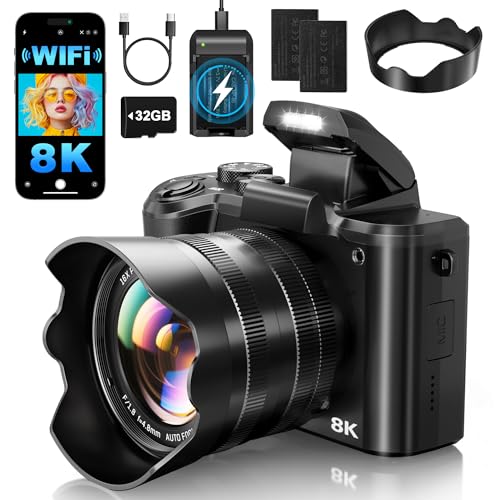
| 8K Digital Camera with Dual-Lens and Accessories |  | Content Creator’s Choice | Resolution: 8K UHD video, 88MP images | Connectivity: WiFi, app sharing, live streaming | Lens Type: Dual-lens (front/rear) | VIEW LATEST PRICE | See Our Full Breakdown |
| 8K 88MP WiFi Digital Camera with Touchscreen |  | Compact Versatility | Resolution: 8K video, 88MP photos | Connectivity: WiFi, HDMI, webcam support | Lens Type: Dual-lens (front/rear) | VIEW LATEST PRICE | See Our Full Breakdown |
| Canon EOS R100 Mirrorless Camera Kit |  | Entry-Level Pro | Resolution: 4K and Full HD video, 24.1MP images | Connectivity: WiFi, HDMI, versatile for live streaming and sharing | Lens Type: Interchangeable RF-S lens (18-45mm) | VIEW LATEST PRICE | See Our Full Breakdown |
More Details on Our Top Picks
-
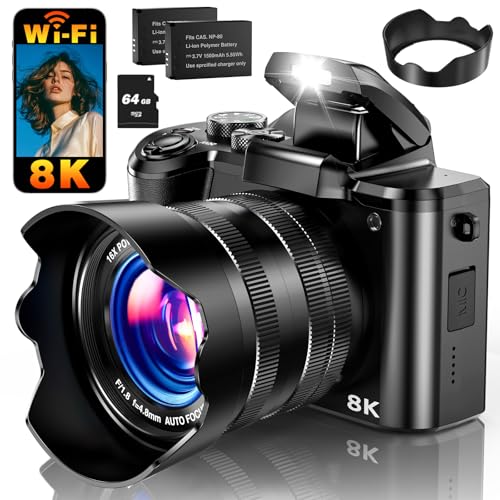
8K Digital Camera, 88MP WiFi Cameras for Photography with 3.2" Touchscreen, 16X Zoom Autofocus Vlogging Camera for YouTube Video, Anti-Shake, Dual Camera, 2 Batteries, 64GB Card, Flash, Lens Hood
【2026 8K UHD 88MP Autofocus Camera】2026 upgraded digital camera captures up to 88MP high-resolution photos and records 8K...
As an affiliate, we earn on qualifying purchases.
8K Digital Camera with Dual-Lens and Accessories
If you’re looking for a versatile camera that’s perfect for content creators and aspiring professionals alike, the K Digital Camera with Dual-Lens and Accessories stands out. Its 8K UHD video resolution and 88MP sensor deliver stunning images and videos, while 16X digital zoom captures fine details. The dual-lens setup makes selfies and vlogging effortless, and the 3.2-inch touch screen simplifies framing and focus. With fast autofocus, 6-axis stabilization, and multiple shooting modes, it adapts to any scene. Plus, built-in WiFi allows quick sharing on social media. Compact and portable, it’s ideal for travel, streaming, or professional projects.
- Resolution:8K UHD video, 88MP images
- Connectivity:WiFi, app sharing, live streaming
- Lens Type:Dual-lens (front/rear)
- Autofocus:Fast autofocus, half-press lock
- User Interface:Touch screen, rotary mode dial
- Stabilization:6-axis stabilization
- Additional Feature:Built-in flash for low-light
- Additional Feature:360° rotary mode dial
- Additional Feature:Comes with two large batteries
-

Canon EOS R100 Mirrorless Camera RF-S18-45mm F4.5-6.3 is STM Lens Kit, 24.1 Megapixel CMOS (APS-C) Sensor, 4K Video, Wi-Fi & Bluetooth, Beginner Photographers and Creators, Digital Camera, Black
Stellar Image Quality: Canon EOS R100 4K digital camera with 24.1 megapixel CMOS (APS-C) sensor for superb image...
As an affiliate, we earn on qualifying purchases.
8K 88MP WiFi Digital Camera with Touchscreen
The K 88MP WiFi Digital Camera with Touchscreen stands out for professional photographers who demand stunning image quality and versatile connectivity. Its 8K video recording and 88MP high-resolution photos capture incredible detail, perfect for demanding projects. The 16x zoom lens offers flexibility for landscapes and close-ups, while quick autofocus ensures sharp results. The dual-lens design caters to selfies, vlogs, and group shots, complemented by built-in anti-shake and a 3.2-inch HD touchscreen for easy framing. Wi-Fi, HDMI, and webcam functions make sharing and streaming effortless. Compact and travel-friendly, it’s a reliable choice for versatile, high-quality photography on the go.
- Resolution:8K video, 88MP photos
- Connectivity:WiFi, HDMI, webcam support
- Lens Type:Dual-lens (front/rear)
- Autofocus:Fast autofocus, half-press lock
- User Interface:Touchscreen, easy operation
- Stabilization:Anti-shake, stabilization
- Additional Feature:HDMI output for larger view
- Additional Feature:External microphone support
- Additional Feature:Included camera bag
Canon EOS R100 Mirrorless Camera Kit
For photographers just starting out or seeking a lightweight, portable option, the Canon EOS R100 Mirrorless Camera Kit stands out as an excellent choice. Its compact, lightweight design makes it perfect for travel and everyday shooting. Equipped with a 24.1 Megapixel CMOS sensor, it delivers sharp, detailed images with beautiful natural bokeh. The camera supports 4K video recording and offers versatile autofocus with face, eye, animal, and vehicle detection. Powered by the DIGIC 8 processor, it provides smooth performance and quick focusing. Whether you’re capturing stills or videos, this user-friendly, affordable kit is a fantastic entry point into mirrorless photography.
- Resolution:4K and Full HD video, 24.1MP images
- Connectivity:WiFi, HDMI, versatile for live streaming and sharing
- Lens Type:Interchangeable RF-S lens (18-45mm)
- Autofocus:Dual Pixel CMOS AF, human/animal/vehicle detection
- User Interface:Compact, modern autofocus controls
- Stabilization:Not explicitly specified, but supports steady shooting via processing
- Additional Feature:24.1MP APS-C sensor
- Additional Feature:Compact, lightweight design
- Additional Feature:Supports 4K video recording
Factors to Consider When Choosing a Camera for Professional Photography
When selecting a camera for professional work, I focus on key factors like image quality, lens compatibility, and autofocus speed. It’s crucial to evaluate how well the camera performs in low-light conditions and whether it offers useful connectivity options. These elements help me find a device that meets the demanding needs of professional photography.
Image Quality Resolution
Choosing the right camera for professional photography means paying close attention to image quality resolution, which directly influences the detail and clarity of your photos. Higher resolution sensors, like 88MP, enable you to produce incredibly detailed images perfect for large prints and professional editing. Resolution also determines how well you can crop images without losing significant detail, a key advantage in commercial and fine art work. Cameras with 8K video capability offer ultra-high-definition footage, ideal for multimedia projects. However, resolution isn’t everything—sensor quality, pixel size, and lens sharpness also affect overall image clarity. For professional use, finding a balance between resolution, dynamic range, and low-light performance is essential to achieve consistently high-quality results.
Lens Compatibility Options
Selecting a camera system with interchangeable lenses is vital for professional photography, as it provides the flexibility to adapt to various shooting scenarios. I always check the lens mount type—whether it’s Canon RF, Sony E-mount, or Nikon Z-mount—to guarantee compatibility with the lenses I need. Availability matters, so I look for systems with a wide range of lenses, including wide-angle, telephoto, macro, and prime options, to cover my diverse projects. It’s also essential to verify that the autofocus system works well with the lenses I plan to use, especially for fast-moving subjects. Finally, I consider the maximum aperture sizes of compatible lenses, as they influence low-light performance and depth-of-field control—key factors for professional results.
Autofocus Precision Speed
Autofocus precision and speed are essential for capturing sharp images in fast-paced or unpredictable situations. Precise autofocus ensures the camera can lock onto subjects accurately, even when they’re moving quickly or against complex backgrounds. Speed matters because it determines how fast the camera can acquire focus, allowing me to seize fleeting moments without hesitation. Advanced autofocus systems use technologies like phase detection, contrast detection, and eye-tracking to enhance both accuracy and responsiveness across various scenarios. Cameras with faster autofocus performance minimize focusing lag, making spontaneous shots easier and reducing missed opportunities. For professional work—whether shooting sports, wildlife, or events—reliable autofocus accuracy and speed are non-negotiable, ensuring I can trust my gear to deliver sharp, well-focused images every time.
Low-Light Performance
When shooting in low-light conditions, your camera’s ability to perform well depends heavily on its sensor size and quality. Larger sensors gather more light, resulting in clearer, sharper images with less noise. High ISO capabilities are crucial, allowing you to brighten photos in dim environments, but they can introduce grain, so finding the right balance is key. Fast, wide-aperture lenses, like f/1.4 or f/2.8, let in more light, considerably improving low-light performance. Advanced autofocus systems with low-light sensitivity ensure your shots stay sharp even in poor lighting. Additionally, built-in image stabilization and noise reduction algorithms help maintain image clarity and stability. Combining these features ensures your camera handles challenging lighting conditions, making it indispensable for professional success.
Connectivity Features
Modern professional cameras come equipped with advanced connectivity features that substantially enhance workflow and versatility. WiFi and Bluetooth enable quick, cable-free transfer of high-resolution images and videos, saving time during shoots. Built-in WiFi also allows me to control the camera remotely via smartphone apps, making framing and adjustments more efficient. HDMI output provides a direct connection to external monitors or TVs, perfect for high-quality viewing or client presentations. Support for live streaming and webcam functions turns my camera into a versatile broadcasting tool for virtual meetings or live events. Additionally, compatibility with external accessories like microphones, fill lights, and controllers often depends on hot shoe mounts, USB ports, or dedicated connections. These connectivity options streamline professional workflows and expand creative possibilities.
Portability and Size
Choosing the right camera for professional photography involves carefully considering its portability and size, as these factors directly impact your workflow and convenience. A smaller, lightweight camera is easier to carry over long shoots, making it ideal for on-the-go photography. Compact models allow for quick setup and pack less bulk in your gear bag, which is perfect for spontaneous shoots or travel. Larger cameras with extensive accessories often deliver higher image quality but can be cumbersome, especially when traveling or working in tight spaces. Additionally, the size influences handling comfort, particularly during extended sessions or when using heavy lenses. Striking a balance between portability, durability, and functionality ensures your camera adapts to diverse environments without sacrificing performance.
Video Recording Capabilities
Video recording capabilities are a key consideration that can considerably enhance a professional photographer’s versatility. When choosing a camera, I look for models that support 4K or higher resolution to guarantee top-quality footage. Advanced autofocus features, like face, eye, or subject tracking, are essential for maintaining sharp focus during recording. I also check for high bitrates and multiple recording formats, which help preserve quality and provide editing flexibility. Built-in stabilization or compatibility with external stabilizers is vital for smooth footage, especially when shooting handheld. Additionally, I verify the presence of HDMI or other output options, allowing me to connect to external monitors or recorders seamlessly. These features guarantee I can deliver professional-grade videos alongside stunning photos.
Battery Life Endurance
Extended battery life is crucial for professional photographers who often shoot for hours without access to power sources. A high-capacity battery or spare batteries allow me to keep shooting without interruptions, especially during outdoor shoots or long events. Power-efficient features like low-power modes and optimized processing help maximize endurance, letting me get more shots per charge. The battery type and capacity directly impact how many photos or minutes of video I can record before needing a recharge. Rapid charging options and smart battery management systems are essential for maintaining workflow during demanding sessions. Choosing a camera with strong battery life ensures I stay focused on capturing the perfect shot without worrying about running out of power mid-session.
Frequently Asked Questions
How Do Camera Ergonomics Impact Professional Photography Performance?
Camera ergonomics directly impact my photography performance by influencing how comfortably and efficiently I can shoot. When a camera fits well in my hand and controls are easy to access, I can focus on capturing the perfect shot without distraction. Good ergonomics reduce fatigue during long shoots and improve my reaction speed. Ultimately, a well-designed camera helps me work more intuitively, elevating the quality of my images and my overall experience.
What Are the Latest Advancements in Sensor Technology for 2026?
Imagine capturing moments with unprecedented clarity—2026’s sensor tech makes this possible. I’ve noticed sensors now feature enhanced light sensitivity and dynamic range, allowing me to shoot in challenging conditions without sacrificing detail. The integration of AI-driven processing further refines images on the fly, ensuring my work looks sharp and vibrant. These advancements make professional photography more intuitive, helping me focus on creativity rather than technical limits.
How Does AI Integration Improve Camera Usability for Professionals?
AI integration makes professional cameras much easier to use by automating complex settings and providing real-time suggestions. I love how it analyzes scenes, adjusts focus, exposure, and white balance instantly, saving me time and ensuring perfect shots. It also helps with composition, tracking moving subjects, and even editing. This tech boosts my confidence, allowing me to focus on creativity while the camera handles technical perfection seamlessly.
Which Cameras Offer the Best Durability for Outdoor Shoots?
If you’re looking for durability, I recommend cameras like the Nikon D6 and Canon EOS-1D X Mark III. They’re built tough with weather-sealed bodies, making them perfect for outdoor shoots in challenging conditions. I’ve used them myself in rain, dust, and extreme cold, and they never let me down. These models are reliable, rugged, and designed to withstand the elements, ensuring your focus stays on capturing great images.
What Are the Future Trends in Professional Camera Hardware?
Future trends in professional camera hardware feel like a symphony of innovation—faster sensors, smarter autofocus, and enhanced durability. I see AI integration becoming a conductor, streamlining workflows and elevating creativity. Lightweight, rugged designs will become more common, like sturdy shields for outdoor shooters. As technology evolves, I believe cameras will blend seamlessly with other gear, making us more agile and expressive, capturing moments with unprecedented precision and artistry.
Conclusion
Choosing the right camera is like finding a trusted partner that gently guides your creativity. Whether it’s the stunning detail of an 8K digital marvel or the versatile touch of a Canon mirrorless, these options can subtly elevate your craft. Remember, the perfect camera isn’t just about specs but how it feels in your hand and inspires your vision. With a thoughtful choice, you’ll be quietly set on a path to capture moments with elegance and ease.