
If you’re looking to repair dry, damaged hair, I recommend trying the Dove Hair Intensive Repair 10in1 Serum Mask for fast, effective results, especially if you’re short on time. Pair it with Marc Anthony’s Repairing Leave-In Conditioner for daily protection and strength, and use the Arvazallia Hydrating Argan Oil Mask for deep nourishment. These three products work together to rebuild, hydrate, and protect. Keep exploring to discover how they can transform your hair’s health.
Key Takeaways
- Use Dove Hair Intensive Repair 10in1 Serum Mask weekly for rapid, deep repair of severely damaged hair in just 1 minute.
- Incorporate Marc Anthony Repairing Leave-In Conditioner daily to strengthen, smooth, and eliminate frizz with nourishing ingredients.
- Choose Arvazallia Hydrating Argan Oil Hair Mask for deep hydration and restoring elasticity of overprocessed, dry hair.
- Prioritize heat protectant products with silicones or oils rated up to 450°F to shield against styling heat damage.
- Maintain consistent use of repair and hydration treatments along with proper hydration and heat protection for optimal results.
Dove Hair Intensive Repair 10in1 Serum Mask for Damaged Hair
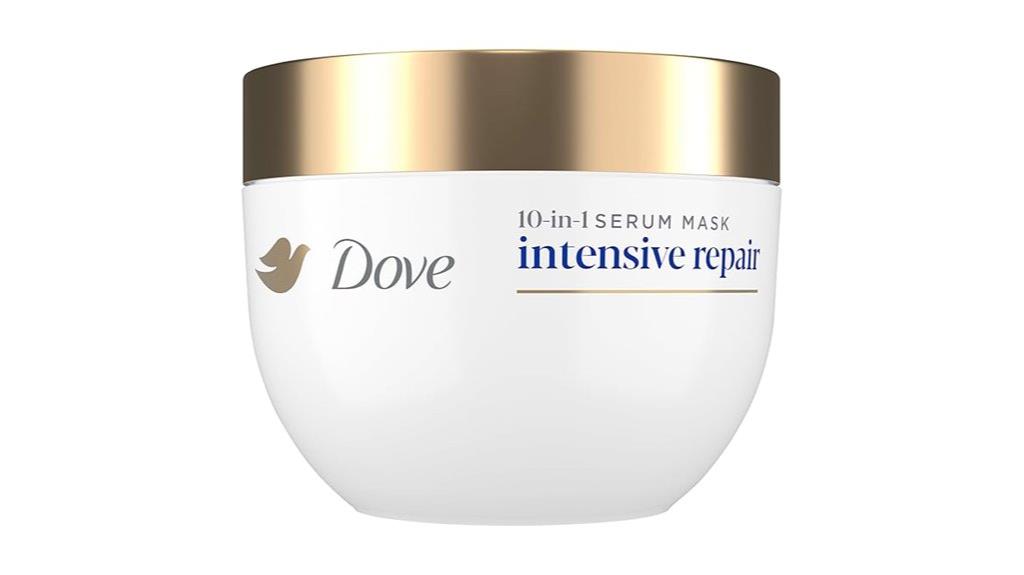
If you’re looking for a powerful solution to repair severely damaged hair, the Dove Hair Intensive Repair 10in1 Serum Mask is an excellent choice. It works in just 1 minute to address 10 signs of damage, making it perfect for busy routines. I love how it stops 98% of visible damage caused by breakage through deep conditioning. The formula is packed with Bio-Protein Care Technology and Glutamic Amino Serum, which rebuild and reinforce hair from within. Plus, each wash delivers trillions of protein builders, strengthening hair over time. It’s part of Dove’s trusted 3-step system, tailored for dry, damaged hair needing real repair.
Best For: those with severely damaged, dry hair seeking quick, intensive repair and strengthening.
Pros:
- Repaire and rebuilds hair in just 1 minute, ideal for busy lifestyles
- Stops 98% of visible damage caused by breakage through deep conditioning
- Contains advanced Bio-Protein Care Technology and Glutamic Amino Serum for effective repair and reinforcement
Cons:
- Recommended for use once weekly, may not be sufficient for very frequent repairs
- May not be suitable for those with very fine or oily hair, as it is designed for dry, damaged hair
- As part of a 3-step system, optimal results require purchasing the full set of shampoo, conditioner, and serum
Marc Anthony Repairing Leave-In Conditioner (8.45 fl oz)
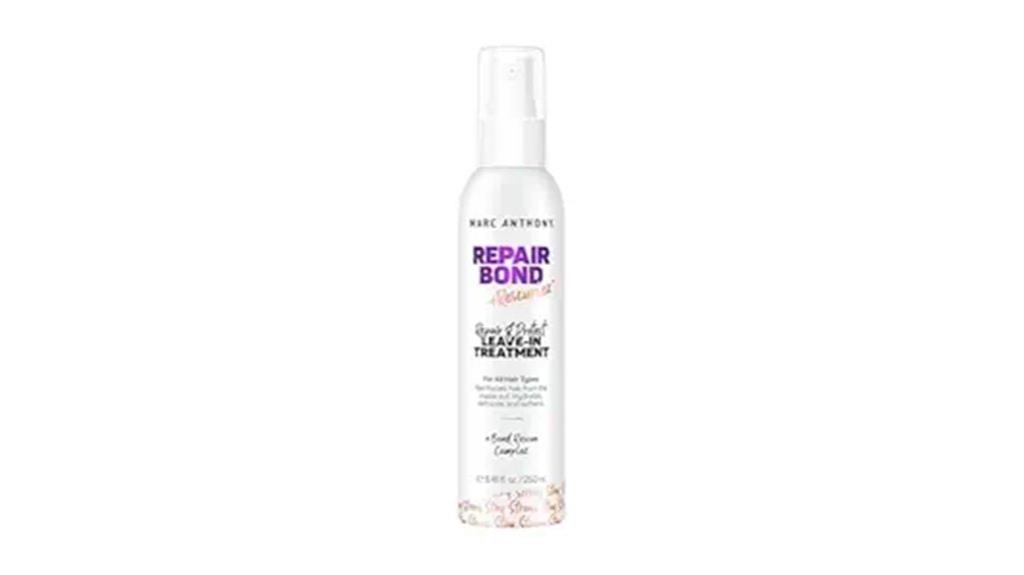
The Marc Anthony Repairing Leave-In Conditioner is an excellent choice for anyone with dry, damaged hair looking to restore strength and shine. It’s part of the Repair Bond +Rescuplex system, designed to rebuild hair bonds, reduce breakage, and eliminate frizz and flyaways. Enriched with rice bran oil, rosemary oil, hydrolyzed quinoa, and vitamin C, it makes hair 111% stronger, 140% smoother, and 129% shinier. Suitable for daily use, just apply to damp, clean hair, comb through, and style. Plus, it’s vegan, cruelty-free, and free from parabens, sulfates, and phthalates, making it a safe, effective solution for damaged hair.
Best For: those with dry, damaged hair seeking to restore strength, shine, and manageability through a nourishing, bond-repairing leave-in conditioner.
Pros:
- Rebuilds and maintains hair bonds for healthier, stronger hair
- Eliminates frizz and flyaways, leaving hair smooth and shiny
- Suitable for daily use and free from parabens, sulfates, and phthalates
Cons:
- May not provide enough moisture for extremely oily hair types
- Requires consistent use with the full Repair Bond +Rescuplex system for best results
- The scent may not appeal to everyone
Arvazallia Hydrating Argan Oil Hair Mask and Deep Conditioner
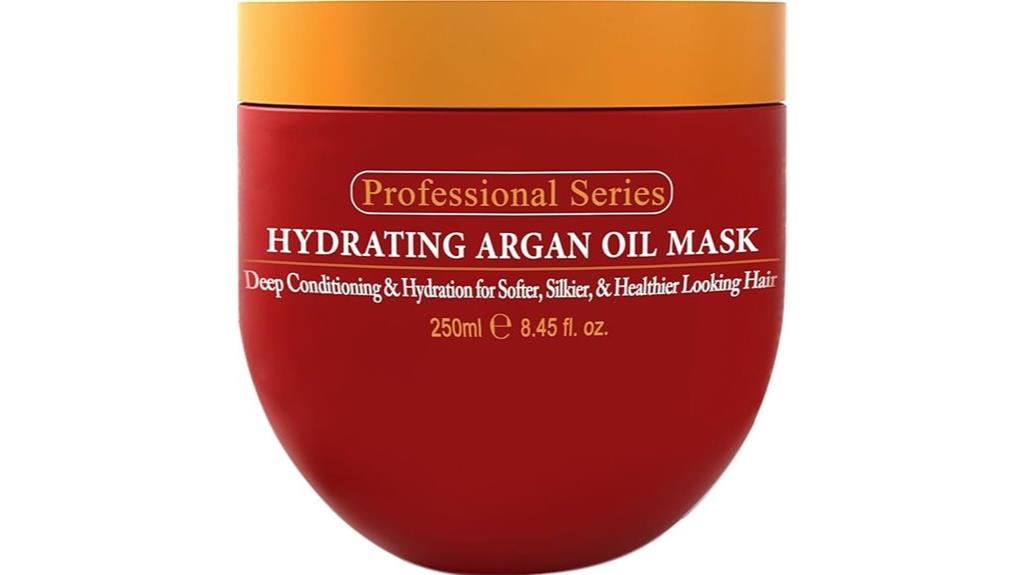
For those with dry, damaged hair seeking a nourishing boost, Arvazallia Hydrating Argan Oil Hair Mask and Deep Conditioner offers an effective solution. This 8.45 oz jar deeply hydrates and restores weak, overprocessed hair, improving texture, elasticity, and shine. Infused with rich argan oil loaded with essential vitamins and nutrients, it leaves hair soft, silky, and easier to manage. Its sulfate-free and paraben-free formula makes it suitable for all hair types, including permed, natural, and curly hair. Simply apply to damp hair, leave on for a few minutes, then rinse thoroughly for revitalized, healthier-looking hair.
Best For: those with dry, damaged, or overprocessed hair seeking deep hydration and restoration for all hair types.
Pros:
- Deeply hydrates and restores weak, damaged hair effectively
- Infused with nourishing argan oil rich in essential vitamins and nutrients
- Suitable for all hair types, including curly, permed, and natural hair
Cons:
- May require a few uses to see significant results for severely damaged hair
- Needs thorough rinsing to prevent residue buildup
- The jar packaging may be less convenient for travel or on-the-go use
Factors to Consider When Choosing a Product to Repair Dry Damaged Hair

When selecting a product to repair dry, damaged hair, I consider the extent of the damage and whether the ingredients are proven to be effective. I also look at my hair type to guarantee the formulation suits my needs and pay attention to how often I need to apply it. These factors help me choose the most suitable treatment for real, lasting results.
Hair Damage Level
Evaluating your hair’s damage level is essential to choosing the right repair product. Damage varies from mild dryness and frizz to severe breakage and split ends, each requiring different approaches. If your hair feels dull, brittle, or easily breaks, you might have mild damage and could benefit from moisturizing products. On the other hand, if your hair shows significant breakage, loss of elasticity, or split ends, it’s likely severely damaged and needs intensive protein treatments to rebuild bonds. Using strong repair products on mildly damaged hair can cause buildup and weigh it down, so matching product strength to your damage level is key. Assess your hair’s condition carefully—look for signs like dullness, brittleness, or excessive breakage—to choose the most effective treatment.
Ingredient Effectiveness
Choosing the right ingredients is essential when selecting products to repair dry, damaged hair. I look for formulas with proteins like keratin or amino acids because they help rebuild and strengthen weakened hair fibers. Nourishing oils such as argan oil, rice bran oil, and vitamin C are also key—they provide moisture, nourishment, and support repair from within. I prefer products with Bio-Protein Care technology and Rescuplex complexes, which actively help regenerate bonds and reduce breakage. It’s also important to choose sulfate-free and paraben-free formulations, as they’re gentler on fragile hair and prevent further dryness. Deep conditioning agents and repair serums targeting visible damage can improve elasticity, shine, and overall health, making them essential additions to my routine.
Hair Type Compatibility
To achieve the best results, it’s essential to select products tailored to your specific hair type. Whether you have curly, straight, fine, or coarse hair, choosing the right formulation makes a big difference. For dry, damaged hair, check if the product is designed for your condition and hair texture. Lightweight oils work well for fine hair, preventing weigh-down, while richer, nourishing oils suit thick or curly hair, providing deep hydration. Pay attention to ingredients that match your hair’s porosity and texture to ensure effective repair without heaviness or insufficient treatment. Always look for products explicitly labeled for your hair type to avoid potential issues like product buildup or inadequate moisture. Tailoring your choices helps maximize repair and restore your hair’s health effectively.
Product Formulation
When selecting products to repair dry, damaged hair, paying attention to their formulation is essential. I look for formulas with nourishing ingredients like proteins, amino acids, or natural oils that help rebuild and strengthen hair fibers. It’s also vital to choose products free from harsh chemicals such as sulfates, parabens, and phthalates, which can worsen damage. I prefer formulations with advanced repair complexes like Rescuplex or Bio-Protein Care, designed to target specific bonds in damaged hair. Products labeled as hydrating, deep conditioning, or reparative are tailored for dry or overprocessed hair. Additionally, I seek scientifically backed ingredients like amino serums or plant oils, which promote regeneration and resilience, ensuring I give my hair the best chance to recover.
Application Frequency
Determining how often to apply repair products depends largely on the extent of your hair damage and the product’s intended use. For severely damaged hair, opt for products designed for frequent, intensive treatments to promote faster repair. Always check the recommended application frequency on the packaging to prevent over- or under-treating. Lighter, leave-in products can be used more often for maintenance, while deep conditioning masks are generally applied less frequently—weekly or biweekly. It’s important to monitor how your hair responds; if it starts to feel weighed down or greasy, cut back on application. Conversely, if damage persists, consider increasing treatment frequency. Adjusting based on your hair’s reaction guarantees effective repair without compromising your hair’s health.
Frizz and Shine Control
Choosing the right product to control frizz and boost shine depends on understanding your hair’s specific needs. Frizz control involves products that smooth the cuticle and balance moisture, preventing flyaways and puffiness. Look for ingredients like silicones or natural oils, which seal the hair shaft and reflect light, creating a glossy finish. Proper hydration is essential; dry, damaged hair needs moisture to stay smooth and shiny. Additionally, using products with thermal safeguards helps protect against heat styling, which can worsen frizz and dullness. Regular deep conditioning or repair masks also play a crucial role in restoring natural smoothness and luster. By selecting products tailored to these factors, you can achieve a sleek, radiant look while repairing damage over time.
Heat Protection Features
Since heat styling tools can cause considerable damage to dry, damaged hair, selecting a product with effective heat protection features is essential. A good heat protectant creates a barrier that shields hair from high temperatures, reducing moisture loss and preventing protein breakdown. Look for products that specify a maximum temperature they can withstand, ideally up to 450°F or higher, to ensure sufficient coverage for various styling needs. Ingredients like silicones, polymers, or natural oils help reflect or absorb heat, adding an extra layer of protection. Regular use of these products can greatly minimize breakage, split ends, and overall damage. Prioritizing heat protection features in your hair care routine helps keep your hair healthier, stronger, and more resilient against heat styling.
Price and Value
When evaluating hair repair products, it’s important to take into account their cost relative to the size and how often you plan to use them. A larger bottle or a product designed for frequent use can offer better value over time. Higher-priced options often contain more concentrated or advanced ingredients, which might provide superior repair benefits for severely damaged hair. Conversely, more affordable products can be suitable for occasional use or as part of a broader routine, helping you balance cost and effectiveness. Look for products that offer multiple benefits like strengthening, moisturizing, and repairing damage to maximize your investment. Comparing the price per ounce or treatment can also help you determine if a product delivers good value compared to other options on the market.
Frequently Asked Questions
How Long Does It Typically Take to See Results From These Products?
You’ll usually start seeing noticeable results within a few uses, often around one to two weeks. I’ve found that consistent use of repairing products, like deep conditioners and leave-in treatments, makes a real difference over time. Patience is key—your hair needs ongoing nourishment. Keep using the products as directed, stay hydrated, and avoid heat styling. With dedication, you’ll notice softer, healthier-looking hair sooner than you think.
Can These Products Be Used on Color-Treated or Chemically Processed Hair?
Think of these products as a gentle rain nourishing your garden. Yes, they can be used on color-treated or chemically processed hair, but I recommend choosing formulas specifically designed for treated hair. They help repair damage without stripping color or affecting chemical treatments. Always check the label and do a patch test first. With proper care, your hair can flourish, vibrant and healthy, just like a well-tended garden.
Are There Any Side Effects or Allergic Reactions Associated With These Products?
There can be side effects or allergic reactions with these products, so I always recommend doing a patch test first. Some ingredients might cause irritation or allergic responses, especially if you have sensitive skin. I suggest reading labels carefully and consulting a dermatologist if you’re unsure. In my experience, choosing products formulated for sensitive skin and free of harsh chemicals helps minimize any potential reactions.
How Often Should I Use These Treatments for Optimal Repair?
You should aim to use these treatments about once or twice a week for the best results. I find that giving your hair a little extra care regularly helps repair damage without overwhelming your strands. Be gentle and listen to how your hair responds—if it feels soft and lively, you’re doing it right. Consistency is key, so stick with the routine, and you’ll notice healthier, more resilient hair over time.
Can These Products Help With Severely Damaged, Split, or Broken Hair?
Yes, these products can help with severely damaged, split, or broken hair. I’ve found that using repair treatments consistently, along with deep conditioning and protective styling, makes a real difference. They work by nourishing and strengthening each strand, reducing further breakage. While they won’t fix all damage instantly, with patience and regular use, you’ll notice your hair becoming noticeably healthier and more resilient over time.
Conclusion
No matter which product you choose, remember that healthy hair is a journey, not a sprint. Think of these treatments as your trusted tools to restore shine and strength—like a lighthouse guiding your strands back home. With patience and the right product in hand, your dry, damaged hair can transform from a rough road into a smooth voyage. So go ahead, give your hair the love it deserves and watch it flourish!