
Deciding on built-in appliances is harder than it looks because you have to balance aesthetics, functionality, and energy efficiency all at once. You need to match appliances with your cabinetry, which can require custom adjustments, and consider if the features justify higher costs. Plus, you must weigh long-term savings against upfront investments, all while maintaining a cohesive kitchen design. Stick with us to discover how to navigate these tricky choices smoothly.

Get kitchen gear delivered free with Prime
- Fast, free delivery on millions of items
- Prime Video, Amazon Music and more included
- Member-only deals all year
Key Takeaways
- Matching appliances with cabinetry requires precise measurements and custom modifications for a seamless look.
- Balancing aesthetic harmony with practical features often involves complex trade-offs.
- Energy efficiency choices depend on usage patterns and can impact upfront costs and installation requirements.
- Proper planning and understanding standards are essential to prevent costly mistakes and ensure compatibility.
- Selecting appliances involves weighing design, functionality, durability, and long-term performance considerations.
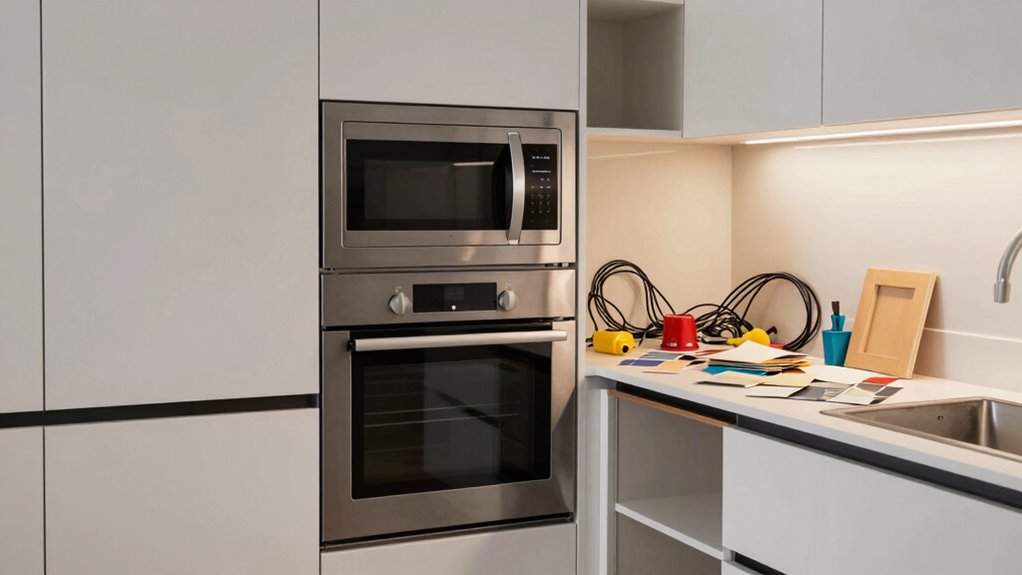
Are you feeling overwhelmed by the many options available when choosing built-in appliances for your home? It’s understandable—these decisions involve more than just picking a sleek look or a brand name. You need to take into account how well the appliances will fit into your lifestyle, your home’s aesthetic, and your energy consumption. The challenge lies in balancing these factors, especially since the choices seem endless. You might find yourself torn between models that boast the latest technology and those that promise better energy efficiency, or between designs that blend seamlessly into your cabinetry and those that stand out as statement pieces.
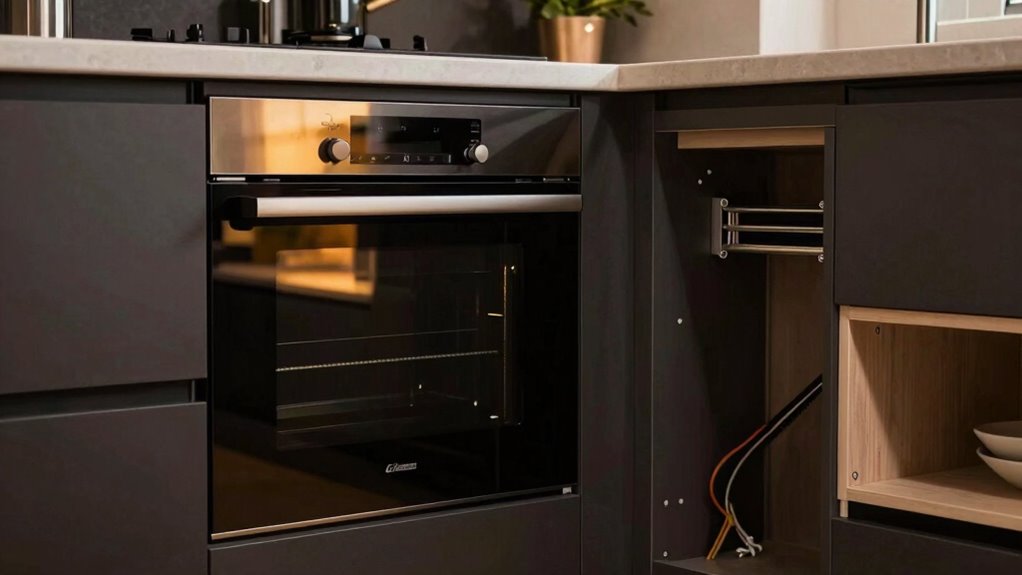
One of the biggest hurdles is understanding how different appliances integrate with your overall kitchen design. Design integration isn’t just about matching colors or finishes; it’s about creating a cohesive look that feels intentional and polished. A built-in oven, for example, should align perfectly with your cabinetry, giving your kitchen a streamlined appearance. But achieving this often requires custom modifications or specific measurements, which can be time-consuming and costly. When appliances don’t fit well or look mismatched, it disrupts the visual flow, making your space feel cluttered or unfinished. This makes the selection process more complicated, as you weigh aesthetic harmony against practical features. Additionally, understanding appliance integration can help you make smarter choices that enhance your overall kitchen design. Proper planning and measuring are essential to avoid costly mistakes and to ensure a seamless look. Considering design harmony can guide you toward appliances that complement your existing decor and layout, simplifying the decision-making process. It’s also helpful to familiarize yourself with built-in appliance standards to ensure compatibility and quality.
Energy efficiency adds another layer of complexity. While many built-in appliances claim to be energy-efficient, the actual savings depend on how you use them and their long-term performance. You want appliances that not only consume less power but also operate reliably over time. Choosing energy-efficient models can reduce your utility bills, but they may come at a higher upfront cost. Plus, some appliances with advanced energy-saving features might require specific installation processes or additional accessories, which can further complicate your decision. It’s essential to research and compare the energy ratings and certifications of different options to make an informed choice that aligns with your budget and environmental values. Being aware of energy ratings and certifications can help you prioritize models that truly deliver on their promises.
Ultimately, the difficulty of choosing built-in appliances lies in balancing these considerations. You want appliances that look beautiful and integrate seamlessly into your kitchen design, but they also need to be functional, energy-efficient, and durable. Sorting through specifications, warranties, and aesthetic details can feel overwhelming, especially when every choice seems to have trade-offs. Still, with careful research and clear priorities, you can navigate this process. The key is to find a harmonious balance where style, performance, and sustainability come together, making your kitchen both beautiful and efficient.
Products Worth Considering

Le Creuset Enamemed Cast Iron Oval Dutch Oven, 5 qt., White/Crucible

Ninja Flip Toaster Oven and Air Fryer, 8-in-1, Stainless Steel, SP151

Ninja French Door Premier Air Fry Oven, 10-in-1, 20.3 Qt, Stainless (FO101)
As an affiliate, we earn on qualifying purchases.
Frequently Asked Questions
How Do I Choose the Right Brand for Built-In Appliances?
You should choose a brand for built-in appliances by considering their reputation for quality and customer satisfaction. Research reviews and ratings to see how they perform over time. Also, check product warranties to make sure you’re protected if issues arise. A well-regarded brand with strong warranties gives you peace of mind, making it easier to select appliances that are reliable, durable, and backed by good customer support.
Are There Eco-Friendly Built-In Appliance Options Available?
Did you know that around 40% of household energy use comes from appliances? Yes, eco-friendly built-in options exist. You can choose appliances made from eco-conscious materials that reduce environmental impact. Look for models that prioritize sustainable energy, like those with Energy Star ratings. These choices help you cut down on energy consumption, lower your carbon footprint, and make your home more sustainable without sacrificing performance.
What Is the Typical Lifespan of Built-In Appliances?
Built-in appliances typically last around 10-15 years, depending on your appliance maintenance and usage. You should check the warranty coverage, as it can offer protection during the early years and influence your decision. Proper maintenance, like cleaning filters and addressing issues promptly, can extend their lifespan. Keep in mind that quality brands often last longer, making them a worthwhile investment despite higher initial costs.
How Do I Budget for Custom Installation Costs?
Oh, sure, just ignore installation costs—what could possibly go wrong? To budget smartly, get detailed quotes from professionals early, including hidden fees. Use budgeting tips like adding a 10-15% cushion for surprises, and don’t forget to factor in custom cabinetry or electrical work. Planning ahead guarantees your dream built-in doesn’t turn into a costly nightmare, saving you stress and unexpected expenses down the line.
Can Built-In Appliances Be Easily Upgraded Later?
Built-in appliances can sometimes be upgraded later, but it depends on appliance compatibility and your home’s setup. You might face challenges if the new appliance isn’t a perfect fit or requires different wiring or cabinetry modifications. To make upgrades easier, choose appliances with standard sizes and flexible installation options. Keep upgrade considerations in mind early on, so future replacements don’t become complicated or costly.
Conclusion
So, when you’re faced with built-in appliance decisions, remember—you’re not just choosing a sleek look or a shiny feature. You’re balancing style and function, budget and longevity. It’s a dance of priorities, a puzzle of preferences, where every piece matters. Don’t rush the process; instead, embrace the challenge. Because in the end, making the right choice isn’t just about appliances—it’s about creating a space where your everyday life feels seamless, stylish, and truly yours.