

TL;DR

Get kitchen gear delivered free with Prime
- Fast, free delivery on millions of items
- Prime Video, Amazon Music and more included
- Member-only deals all year
A new issue of The Curators’ Quaderno, produced by Calliope Arts and Restoration Conversations with The Florentine Press, focuses on women’s roles in Florence’s 1966 flood and recovery. Archival photographs show museum director Maria Luisa Righini Bonelli, women cleaning mud and international volunteers helping salvage the city’s collections.
Archival photographs of women’s work during Florence’s 1966 Arno flood and recovery are featured in Women of the Flood: A New Future for Florence, the latest issue of The Curators’ Quaderno. Created by Calliope Arts and Restoration Conversations with The Florentine Press, the publication revisits how women helped protect museum objects, clear mud and restore damaged books after the disaster.
One image shows Maria Luisa Righini Bonelli, then director of the Museum of History of Science, outside the museum with an Arabian globe and Galileo’s salvaged telescope. The account says she moved the collection’s most precious objects to upper floors, then climbed through a window and along the building’s exterior to reach the Uffizi. She made repeated trips carrying items she could manage, including compasses, astrolabes and Galileo’s telescope. The photograph is credited to Maria Luisa Righini Bonelli and the Galileo Museum Archives.
A photograph from the Alinari Archives depicts a woman using a pitcher to clean sludge from the door of the Duomo’s rectory. The report describes the scale of the damage as about 600,000 tons of mud and rubble entering the city after the Arno burst its banks, while aid and heavy equipment from Rome were slow to arrive. It also says that, in November 1966, women in Florence began wearing trousers in public, as clothing changed in the flood’s aftermath.
The issue also documents work at the National Central Library of Florence. More than 1.3 million books and periodicals there were lost in the sludge, according to the report. Washing began at the railway station, described as one of the few places in the city with running water. The library later became a centre for volunteers known as the Mud Angels, who came from Italy and abroad to help save cultural objects.
Women’s Work in Flood Recovery
The photographs foreground contributions that can be overlooked in accounts focused on the flood’s destruction or the best-known volunteer groups. Bonelli’s efforts to move scientific instruments and the work of women cleaning and restoring materials show how recovery depended on both emergency decisions and sustained practical labour.
The story also connects the disaster to changes in conservation practice. The library’s response involved specialists including bookbinder Dorothy Cumpstey and chemist Margaret Hey. By spring 1967, the National Central Library had established a permanent restoration laboratory, with processes for analysing, washing, drying, mending and rebinding damaged books. The images help readers see the people and work behind that institutional response.
Products Worth Considering

Le Creuset Signature 6.5-Quart Deep Round Dutch Oven with Light Gold Crucible Knob, Enameled Cast Iron, Bleu Riviera

Ninja Foodi DZ201 8-Quart DualZone 6-in-1 Air Fryer
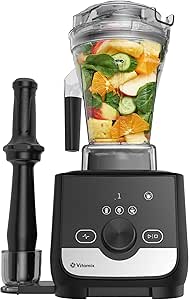
Vitamix Ascent X3 Professional-Grade Blender, 3 Programs, Shadow Black
As an affiliate, we earn on qualifying purchases.
Florence After the 1966 Arno Flood
The Arno flooded Florence in November 1966, damaging buildings, collections and everyday belongings. The Quaderno’s account focuses on the immediate aftermath: residents confronting mud, cultural institutions trying to protect their holdings, and volunteers arriving to salvage what could be saved. Its photographs come from archival collections, including the Galileo Museum Archives, Fondazione Alinari per la Fotografia and the National Central Library of Florence.
The library’s restoration work continued beyond the first emergency. Its laboratory was set up in 1967, and the source says the institution still supports a programme to recover and restore holdings damaged in the flood. The new issue frames this longer history through women’s experiences and contributions rather than treating recovery as a single event.
Details Not Given in the Report
The source report does not provide the Quaderno’s publication date, price, availability details or full contents, beyond identifying it as the latest issue and giving its title and creators. It also does not specify the exact dates or number of Bonelli’s trips between the museum and the Uffizi. The account describes her actions, but the supplied material does not include a direct quotation from her or from other people involved.
The report gives figures for the mud and rubble entering the city and for books and periodicals lost at the library, but it does not provide a method or fuller breakdown for those totals. The photographs and captions document selected scenes; they do not establish how representative those scenes are of women’s work across the city.
The Library’s Restoration Continues
The source reports that the National Central Library continues a programme to recover and restore materials damaged by the flood. It does not announce a future exhibition, event or additional publication tied to Women of the Flood, nor does it give a schedule for the library’s ongoing work. Readers seeking issue access or further details would need to consult the publication’s creators or The Florentine.
Key Questions
What is “Women of the Flood: A New Future for Florence”?
It is the latest issue of The Curators’ Quaderno, created by Calliope Arts and Restoration Conversations with The Florentine Press. It uses photographs and accounts to focus on women’s roles in Florence’s 1966 flood and recovery.
Who was Maria Luisa Righini Bonelli?
Bonelli was director of the Museum of History of Science at the time of the flood. The report says she moved valuable objects to safety, including Galileo’s telescope, compasses and astrolabes.
What happened to Florence’s National Central Library?
The report says sludge damaged or destroyed more than 1.3 million books and periodicals at the library. Volunteers and staff began washing materials, and a permanent restoration laboratory was established by spring 1967.
Who were the Mud Angels?
The name refers to young volunteers from Florence and elsewhere who helped salvage cultural materials after the flood. The National Central Library became a major centre for their work.
Where can readers find the Quaderno?
The source identifies the issue and its creators but does not state its price, release format or purchasing details. Those availability details are not provided in the report.
Source: theflorentine.net