
TL;DR

Get kitchen gear delivered free with Prime
- Fast, free delivery on millions of items
- Prime Video, Amazon Music and more included
- Member-only deals all year
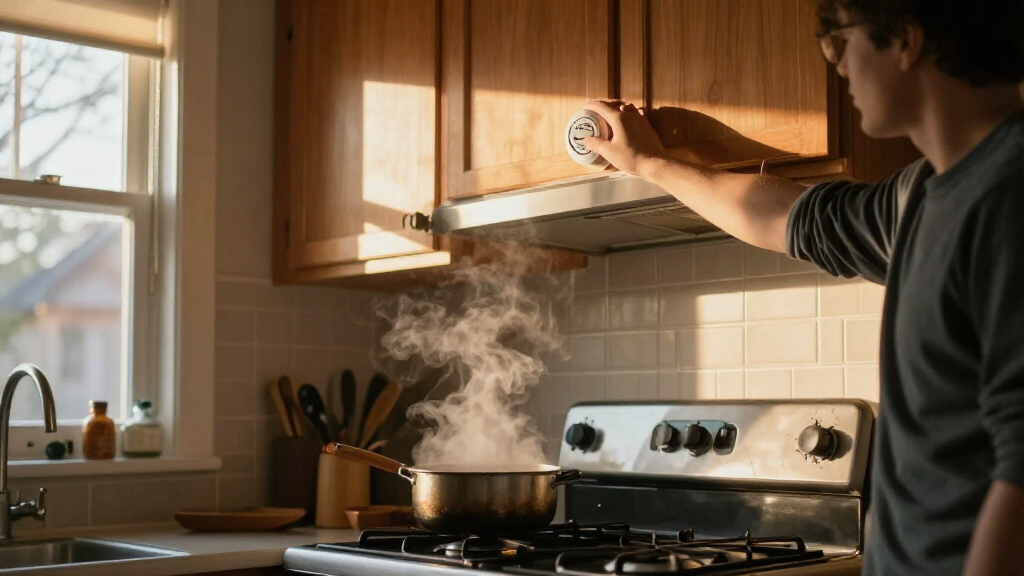
A Good Housekeeping report advises against placing smoke alarms too close to cooking appliances, in humid areas, in garages or unfinished attics, near drafts, or where objects block airflow. The guidance focuses on reducing nuisance alarms and keeping smoke able to reach the alarm; homeowners should also follow the alarm maker’s instructions and local fire-safety requirements.
Good Housekeeping has outlined five locations to avoid when installing smoke alarms, warning that cooking fumes, humidity, extreme temperatures, drafts and physical obstructions can cause nuisance alerts or interfere with smoke reaching a sensor. The guidance matters because repeated false alarms may lead people to disable alarms, while poor placement can delay detection during a fire.
The report recommends keeping smoke alarms at least 10 feet from cooking appliances, which can mean placing them outside rather than inside a kitchen. Smoke or steam produced during ordinary cooking can trigger an alarm, the report says. It quotes Sanders, who warns that frequent nuisance alarms can prompt people to disable a device; Sanders says newer technology may better distinguish fire smoke from cooking steam.
Bathrooms and other humid areas are another concern. Steam from showers, hairdryers or laundry equipment may set off alarms, according to Sanders. McKelvey is quoted recommending that alarms be installed at least three feet from bathrooms with showers or tubs. The report also advises against placing alarms in garages and unfinished attics, where dust and temperature swings may affect reliability.
McKelvey says alarms should generally be kept where temperatures do not fall below 40°F (4.4°C) or rise above 100°F (38°C). The remaining locations to avoid are near airflow from windows, ceiling fans, vents or air-conditioning registers, and spots where heavy fabric, beams, doors or tall shelves could obstruct smoke. The report says moving air may keep smoke from reaching the sensor promptly.
Placement Can Affect Early Warning
Smoke alarms are useful only if smoke can reach them and the devices remain in working order. The report links poor placement to two different hazards: repeated nuisance alerts can encourage a resident to silence or remove an alarm, while drafts or obstructions may impede smoke detection during a fire. The practical point is not simply to avoid inconvenience; it is to keep alarms positioned where they can provide a warning.
These recommendations also show why a single placement rule may not suit every room. Kitchens, bathrooms, garages and attics have different sources of steam, dust, airflow and temperature variation. Homeowners should balance the report’s spacing advice with the specific alarm manufacturer’s installation instructions and applicable local fire-safety rules. The supplied report does not provide a room-by-room installation plan or identify a particular alarm model.
Products Worth Considering
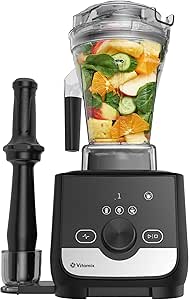
Vitamix Ascent X3 Professional-Grade Blender, 3 Programs, Shadow Black

Cuisinart Stainless Steel Bread Maker, 12 Programs, 2 lb Capacity

KitchenAid Classic Series 4.5-Quart Tilt-Head Stand Mixer, Onyx Black
As an affiliate, we earn on qualifying purchases.
Five Locations Behind the Advice
The source is a Good Housekeeping home-improvement report titled “5 Places You Should Never Put a Smoke Detector.” It attributes placement guidance to Sanders and McKelvey, but the supplied material does not give their full names, job titles or the date the article was published. The recommendations cover five categories: close to cooking appliances, humid areas, garages or unfinished attics, drafts and airflow, and obstructed locations.
The advice is framed around avoiding false alarms and allowing smoke to reach a detector, rather than as a claim that every alarm in one of these locations will fail. The report specifically says basement alarms should not be skipped, while distinguishing unfinished attics and garages as spaces that may be unsuitable because of temperature variation and dust. It does not set out broader alarm-count requirements, maintenance schedules or local code rules.
““Smoke alarms should be installed at least 10 feet away from cooking appliances—which may mean not putting an alarm in the kitchen.””
— Sanders, quoted in the Good Housekeeping report
Details the Report Leaves Open
The supplied report does not identify the full names or professional credentials of Sanders and McKelvey, provide a publication date, or cite a particular building or fire code. It also does not specify whether the distances apply to every alarm type or room layout. Readers should not treat the article as a substitute for the instructions supplied with their alarm or for local requirements.
It is also unclear from the source how common nuisance alarms are in each location, or how much a particular placement affects detection time. The report offers general guidance, not test results comparing alarm performance across rooms. Its temperature and distance figures are presented as recommendations attributed to the quoted sources.
Check Placement and Alarm Instructions
Homeowners can use the five categories as a prompt to check existing alarms: confirm their distance from cooking appliances and bathrooms, keep them away from strong drafts and unsuitable temperature conditions, and make sure nearby objects do not block airflow. Before moving or replacing a device, check its manufacturer’s instructions and local fire-safety requirements. The report does not announce a new rule or a future policy change; it provides practical placement guidance for household review.
If cooking-related false alarms recur, the report suggests considering newer alarm technology designed to distinguish cooking steam from fire smoke. It does not endorse a specific product. Any change should preserve required alarm coverage rather than leave an area without a working smoke alarm.
Key Questions
How far should a smoke alarm be from a stove?
The Good Housekeeping report quotes Sanders recommending at least 10 feet from cooking appliances. Check the alarm’s instructions and local requirements for your specific installation.
How far should an alarm be from a bathroom?
McKelvey recommends keeping an alarm at least three feet from a bathroom with a shower or tub to reduce alerts caused by steam.
Should I put a smoke alarm in a garage or unfinished attic?
The report advises against those locations because dust and temperature extremes may affect reliability or cause nuisance alarms. It says alarms should generally be kept between 40°F and 100°F; follow the device’s stated operating limits.
Can a ceiling fan or vent affect a smoke alarm?
According to the report, drafts from fans, windows, vents or air-conditioning registers may interfere with smoke reaching the sensor. Avoid placing an alarm directly in an area of strong airflow.
What should I do if cooking keeps setting off my alarm?
Do not leave the home without required working alarms. Review the alarm’s instructions and placement, and consider the report’s suggestion to look into technology designed to distinguish cooking steam from fire smoke.
Source: goodhousekeeping.com