
TL;DR

Get kitchen gear delivered free with Prime
- Fast, free delivery on millions of items
- Prime Video, Amazon Music and more included
- Member-only deals all year
A Good Housekeeping report recommends eight fall foods for Mediterranean-style meals: butternut squash, lentils, pears, kale, citrus, walnuts, olive oil and pomegranate. The report describes their culinary uses and nutrients, but the suggested health effects vary in strength and should not be read as proof that individual foods prevent or treat disease.
Good Housekeeping has published a fall food guide recommending eight seasonal ingredients for Mediterranean-style meals: butternut squash, lentils, pears, kale, citrus fruits, walnuts, olive oil and pomegranate. The report focuses on practical ways to use them as cooler-weather cooking shifts toward soups, salads and roasted dishes.
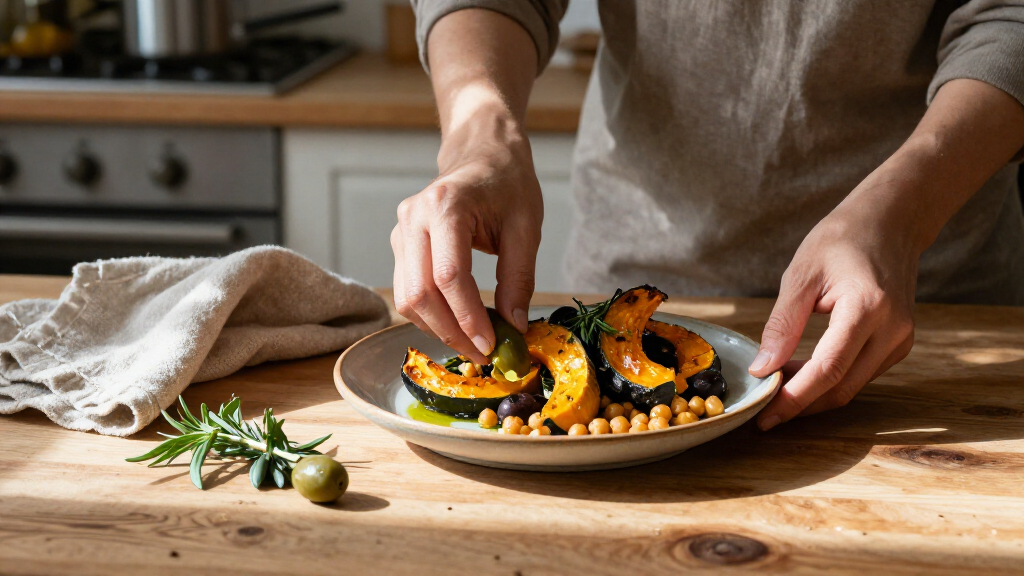
The recommendations span produce, legumes, nuts and cooking fats. The report describes butternut squash as a source of fiber and beta carotene, and suggests roasting it with olive oil and herbs, blending it into soup, or adding it to pasta and salads. Lentils can serve as the base for soups, stews and salads, bringing plant-based protein, fiber and iron to a meal.
For fruit and greens, the guide points to pears, which are in season in fall, and kale, which holds up in soups and stews. It suggests pairing sliced pears with walnuts and feta, or softening kale for salads by massaging it with olive oil and lemon. Lemons and oranges can add brightness to dishes; the report says citrus season begins in November.
The remaining picks include walnuts, olive oil and pomegranate. Walnuts can add crunch to oatmeal, yogurt or salads, while olive oil can be used for sautéing, dressings or as a finishing drizzle. Pomegranate seeds, in season in late fall and early winter, can top salads, roasted vegetables and grain bowls. The article offers these as meal ideas, not as a prescribed menu or medical treatment.
Seasonal Ingredients, Flexible Meals
The guide gives readers concrete ways to adapt familiar Mediterranean-style meals to fall ingredients. Lentils and kale can form the base of a warm stew, with lemon for acidity; squash and white beans can be served with orange; and pears or pomegranate can add fruit to salads and grain bowls. These suggestions make the report useful as a seasonal shopping and cooking guide, rather than a claim that one ingredient will produce a particular health outcome.
The health language needs careful reading. The source describes nutrients in several foods and mentions possible links between food consumption and health, but those statements do not establish that eating a specific item prevents, treats or cures disease. Readers with health conditions or dietary needs should rely on individualized advice from a qualified health professional.
Products Worth Considering

KitchenAid Artisan 5-Qt Tilt-Head Stand Mixer – Dried Rose (KSM150PS)

Le Creuset Enamemed Cast Iron Oval Dutch Oven, 5 qt., White/Crucible

Le Creuset Signature Enameled Cast Iron Round Dutch Oven, 5.5 qt, Deep Teal
As an affiliate, we earn on qualifying purchases.
How Fall Fits Mediterranean Cooking
The source presents the Mediterranean diet as a pattern that includes vegetables, fruit, legumes, nuts and olive oil, with ingredients combined across meals. Its fall suggestions follow that approach: use seasonal produce alongside pantry staples, and build flavor with herbs, citrus and dressings. The report’s ideas include warm lentil salad with roasted root vegetables, kale in pasta or stew, and walnuts paired with pears.
Seasonality is central to the list. The article identifies pears as a fall fruit, says citrus season starts in November, and places pomegranates in late fall and early winter. These are practical cues for readers planning meals, though availability can vary by location and market.
““Fall is the perfect time to enjoy butternut squash, a fantastic addition to the Mediterranean diet.””
— Stuart, quoted in the Good Housekeeping report
Health Claims Need Qualification
The supplied report does not provide the publication date, identify Stuart or Shaw by full name or credentials, or link each health statement to specific studies. It uses qualified language for some effects, including that pear consumption “may” support heart health and that compounds in citrus “may” help reduce disease risk. Those statements should not be treated as confirmed prevention or treatment claims.
The source also makes broader statements about anti-inflammatory benefits and olive oil compounds without supplying study details in the material provided. The strength, scope and limits of that evidence cannot be evaluated from the excerpt alone. It is also not clear whether the recommendations account for allergies, individual nutritional needs or local seasonal availability.
Practical Ways to Use the List
Readers can use the eight foods as options for planning fall meals: roast squash or root vegetables, prepare a lentil soup or salad, add kale to a stew, and finish dishes with citrus, walnuts or pomegranate. Olive oil can serve as a cooking fat or dressing base. The source does not announce a formal follow-up, new research or a clinical guideline; its immediate value is the collection of seasonal ingredient ideas.
Key Questions
Which foods does the fall guide recommend?
It lists butternut squash, lentils, pears, kale, lemons and oranges, walnuts, olive oil and pomegranate.
What are some ways to serve lentils?
The report suggests using lentils in soups, stews and salads, including a warm salad with roasted root vegetables and lemon-tahini dressing.
When are citrus and pomegranates in season?
The source says citrus season begins in November and pomegranates are in season in late fall and early winter. Actual availability may differ by location.
Does the report show that these foods prevent disease?
No. It describes nutrients and possible health associations, but the material provided does not establish that these foods prevent or treat disease.
Source: goodhousekeeping.com