When it comes to caffeine content, drip coffee typically has more caffeine per serving than espresso. A standard 8 oz cup of drip coffee can contain between 95 and 200 mg of caffeine, while a shot of espresso has about 63 mg. If you’re after a stronger caffeine kick, drip coffee is the way to go. But there’s more to each brew’s unique qualities; discover how flavor and serving styles play a role in your coffee experience.

Get kitchen gear delivered free — and shop member deals
- Fast, free delivery on millions of items
- Access to Prime Big Deal Days deals on October 6–7
- Prime Video, Amazon Music and more included
Key Takeaways
- A standard shot of espresso (~1 oz) contains about 63 mg of caffeine.
- An 8 oz cup of drip coffee can contain between 95 and 200 mg of caffeine.
- Despite its concentration, espresso generally has less caffeine per serving than a larger drip coffee.
- Drip coffee offers more caffeine overall due to its larger serving size.
- The choice between drip coffee and espresso depends on desired caffeine quantity versus concentration.
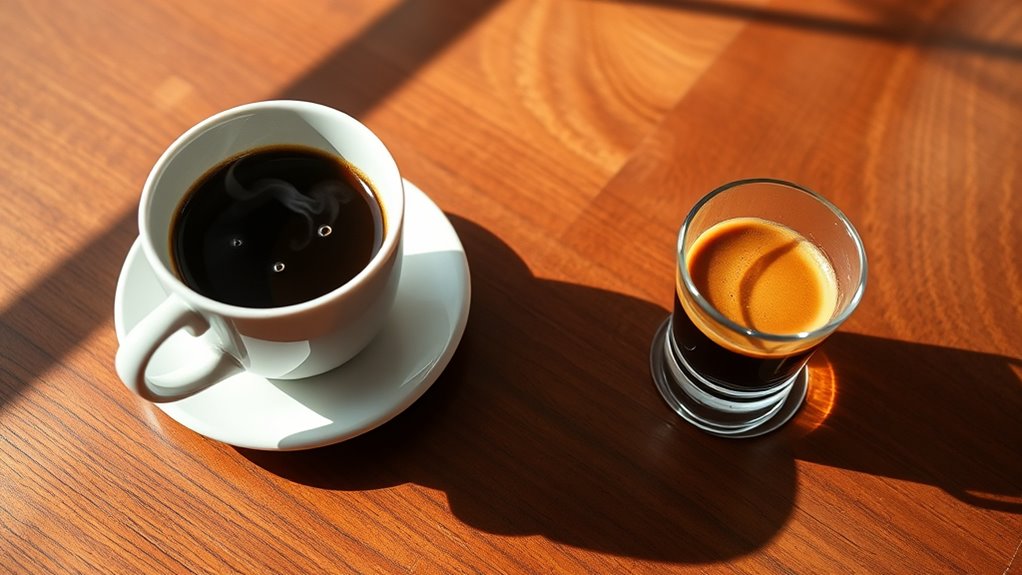
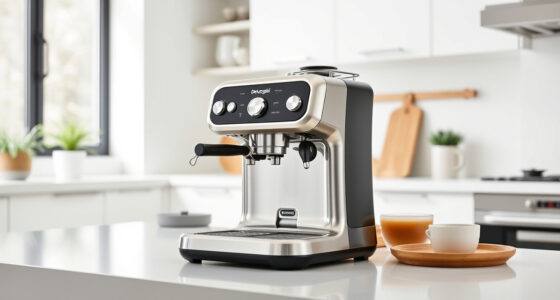
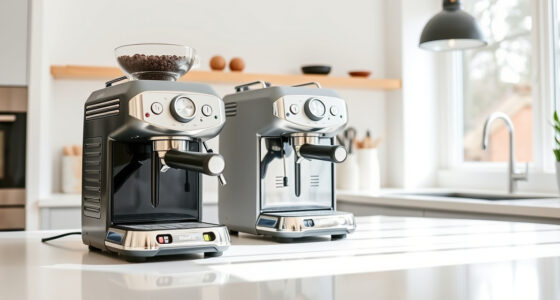
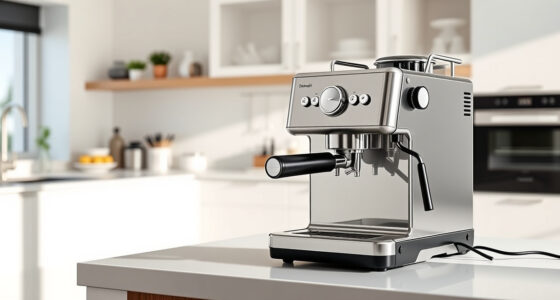
When you’re deciding between drip coffee and espresso, it’s essential to understand their distinct characteristics. Both beverages have unique brewing methods that influence not just how they taste but also how much caffeine they contain. Drip coffee is typically made by pouring hot water over coffee grounds, allowing the water to seep through and extract flavors over several minutes. This process results in a larger volume of coffee, generally enjoyed in a standard cup. On the other hand, espresso is brewed using a pressurized method, forcing hot water through finely-ground coffee quickly, usually within 25 to 30 seconds. This creates a concentrated shot of coffee with a rich, bold flavor profile.
Understanding the brewing methods of drip coffee and espresso reveals their unique flavors and caffeine content, enhancing your coffee experience.
When you compare the flavor profiles, drip coffee tends to be milder and often showcases a broader range of flavors, depending on the beans used and the brewing time. You might find fruity or nutty notes that unfold gradually as you sip. In contrast, espresso packs a punch with its intense and robust flavor, often accompanied by a layer of crema on top. This concentrated essence of the coffee bean can be quite enjoyable, especially if you appreciate a stronger taste.
Now, let’s talk about caffeine content. You might think that since espresso is more concentrated, it has more caffeine than drip coffee. However, that’s not necessarily true. A standard shot of espresso, which is about 1 ounce, contains roughly 63 milligrams of caffeine. In comparison, an 8-ounce cup of drip coffee can contain anywhere from 95 to 200 milligrams of caffeine, depending on how it’s brewed and the coffee-to-water ratio. So, if you’re looking for a bigger caffeine kick, you might want to stick with drip coffee, especially if you enjoy larger servings.
Ultimately, your choice between drip coffee and espresso comes down to your taste preferences and caffeine needs. If you enjoy the ritual of brewing and savoring a full cup, drip coffee is your best bet. But if you’re after a quick, intense boost, espresso will do the trick. Each has its charm and purpose, so why not enjoy both depending on your mood? Whether you’re brewing methods lean towards one or the other, both drinks offer delightful experiences worth savoring.
best drip coffee makers with large water reservoir
As an affiliate, we earn on qualifying purchases.
As an affiliate, we earn on qualifying purchases.
Frequently Asked Questions
How Does Brewing Method Affect Caffeine Content in Coffee?
The brewing method affects caffeine content profoundly. Higher brewing temperatures extract more caffeine, while grind size also plays a vital role—finer grounds increase extraction. If you’re using a method that requires a longer brewing time, like cold brew, you might get a higher caffeine concentration. Conversely, a quick brewing method might yield less caffeine. So, pay attention to those variables if you want to tweak your caffeine intake!
Can Decaf Espresso or Drip Coffee Still Contain Caffeine?
Yes, decaf espresso and drip coffee can still contain caffeine. Think of it as a shadow of its former self, lingering but not overwhelming. Many people fall for decaf misconceptions, believing it’s completely caffeine-free. In reality, it usually has a small amount, enough to trigger caffeine withdrawal symptoms in sensitive individuals. So, if you’re trying to cut back, keep an eye on those decaf options—they might still pack a little punch!
What Factors Influence Individual Caffeine Tolerance Levels?
Your individual caffeine tolerance levels are influenced by several factors, primarily genetic factors. Some people metabolize caffeine quickly due to their genes, while others process it slowly. Additionally, lifestyle choices like diet, stress, and regular caffeine consumption can also play a role. If you regularly drink coffee or tea, you might build up a personal tolerance over time, making you less sensitive to caffeine’s effects compared to someone who rarely consumes it.
Are There Health Risks Associated With High Caffeine Consumption?
When it comes to high caffeine consumption, you might be playing with fire. There are several health risks to take into account, like increased heart rate, anxiety, and digestive issues. Caffeine addiction can sneak up on you, leading to withdrawal symptoms if you try to cut back. It’s vital to monitor your intake and listen to your body, ensuring you don’t overdo it. Balance is key for enjoying your caffeine fix without the drawbacks.
How Do Different Coffee Beans Impact Caffeine Levels?
Different coffee beans can substantially impact caffeine levels. The origin of the coffee bean plays a vital role; beans from regions like Robusta generally have higher caffeine content than Arabica. Additionally, the roasting level affects caffeine as well—darker roasts tend to lose some caffeine during the roasting process. So, when you choose your coffee, keep in mind the type of beans and their roast to better understand your caffeine intake.
As an affiliate, we earn on qualifying purchases.
Conclusion
In the great caffeine showdown, drip coffee pours in with a hefty punch, while espresso serves up a concentrated jolt. Picture yourself cradling a steaming mug of drip coffee, its rich aroma wrapping around you like a cozy blanket, or savoring a tiny, bold shot of espresso that dances on your palate. Ultimately, whether you prefer the robust embrace of drip or the intense burst of espresso, you’re sure to find that perfect caffeinated companion to fuel your day.
coffee grinder for espresso and drip coffee
As an affiliate, we earn on qualifying purchases.
As an affiliate, we earn on qualifying purchases.
As an affiliate, we earn on qualifying purchases.
Fall Picks
fall essentials
As an affiliate, we earn on qualifying purchases.