
TL;DR

Get kitchen gear delivered free with Prime
- Fast, free delivery on millions of items
- Prime Video, Amazon Music and more included
- Member-only deals all year
A Good Housekeeping report identifies six categories of vintage mugs that are better reserved for decoration because of potential lead or cadmium exposure, damage, or uncertain food-safety status. Vintage mugs are not inherently unsafe, and the risks depend on their materials, age, condition and markings.
A Good Housekeeping report advises against drinking from six types of vintage mugs, including damaged ceramics, lead crystal and antique pewter, because their materials, condition or food-safety status may pose risks. The report stresses that age alone does not make every vintage mug unsafe, but recommends decorative use when a mug’s history or safety is uncertain.
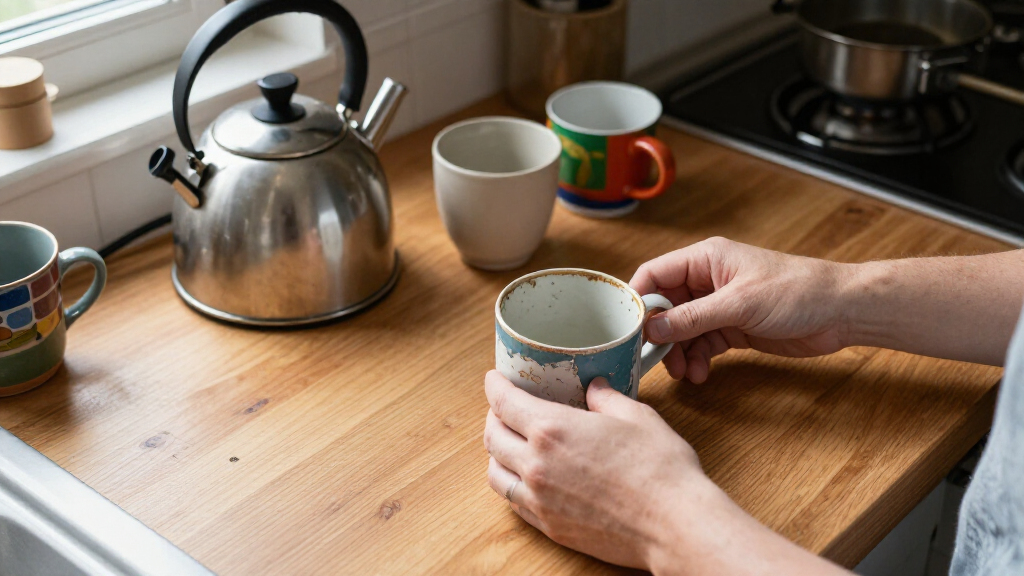
The six categories named are mugs with chips or crazing; lead crystal mugs; mugs made before the 1970s; antique pewter mugs; certain vintage ceramicware; and mugs marked “Decorative Use Only” or similar. The report says cracks and worn finishes can make vessels harder to clean, while damaged glaze may expose underlying materials. Older ceramic glazes may contain lead or cadmium that can leach into drinks, particularly when exposed to heat or acidic liquids.
Interior designer and antique curator Melissa Davies told Good Housekeeping that lead crystal qualified as such when it contained at least 24% lead oxide by weight. Davies also said U.S. items made before 1971 were not subject to standards regarding lead. The report points to 1992 as the point when rules tightened, and relays FDA caution about some brightly colored older mugs, especially red, orange and yellow, which may have lead- or cadmium-containing glazes.
The other categories reflect different concerns. The Pewter Society says antique pewter mugs from the 17th and 18th centuries often contain a small percentage of lead, according to the report. FDA guidance cited there calls for caution with some handmade or crude-looking pottery, irregular designs, heavily worn pieces, and pottery bought from sellers whose manufacturing information cannot be verified. A decorative-use label indicates the mug has not met food-safety standards, the report says.
Choosing Safer Everyday Drinkware
The guidance matters to people who collect, thrift or inherit older drinkware because a mug’s appearance does not establish whether its glaze or metal is suitable for beverages. Heat and acidic drinks can increase concern about substances leaching from some glazes, while cracks and chips can complicate cleaning. Setting a questionable piece aside for display is a practical way to avoid using it for food or drink without assuming that every old mug is hazardous.
The report does not provide test results for individual mugs or claim that every item in the six categories will cause harm. Its advice is precautionary: age, material, condition and labeling all affect the assessment. That distinction helps readers avoid both treating all vintage wares as safe and discarding every older mug without cause.
Products Worth Considering

Ninja DualZone Air Fryer 10 Qt Smart 6-in-1 Grey

Ninja Foodi Air Fryer 8 Qt DualZone 6-in-1 Grey DZ201

KitchenAid Artisan Mini 3.5-Qt Tilt-Head Stand Mixer, Candy Apple Red
As an affiliate, we earn on qualifying purchases.
How Age and Condition Affect Risk
Manufacturing standards and materials have changed over time, and the report says lead was once allowed in cookware and serving ware. It identifies pre-1971 U.S. items as a concern because, according to Davies, they were not subject to lead standards. It cites 1992 as a later point when rules tightened, but does not explain the specific regulations or provide a complete timeline of standards.
Age is only one factor. Glaze condition and product history also matter: a newer-looking or unusual piece may still warrant caution if its origin is unknown, and a visibly damaged mug may be difficult to clean even if its original materials are not known to contain lead. The report says its list is not exhaustive and notes that many vintage mugs are safe to drink from.
“Items manufactured before 1971 weren’t subjected to any standards regarding lead in the United States.”
— Melissa Davies, interior designer, antique curator and founder of The Preppy Grandmillennial, as quoted by Good Housekeeping
What a Mug’s Label Cannot Tell You
The report does not identify a way to determine the composition of a specific mug from appearance alone, nor does it provide testing results for the six categories. A mug’s manufacturer, production date and glaze ingredients may be unknown, particularly for flea-market purchases or inherited pieces. It also does not quantify how much lead or cadmium could leach from any particular item under normal use.
The recommendations are not a complete inventory of potentially concerning drinkware. The report says many vintage mugs are safe, while some outside its list may warrant caution. Readers therefore cannot infer that a mug is safe solely because it is not named, or that every mug in a listed category has been shown to contaminate drinks.
Practical Steps for Mug Owners
For a mug with chips, cracks, crazing or a decorative-use label, the report recommends using it for decoration rather than drinking. Owners of older ceramic, pewter or crystal pieces can research the maker and date where possible, but the report does not specify a test or verification service. When a mug’s materials or history cannot be established, its advice is to use judgment and repurpose it rather than assume it is food-safe.
No new regulation, product recall or official testing program is announced in the source report. The next step for readers is an individual assessment of each piece’s condition, markings and provenance; any broader safety determination would require information or testing beyond what the report provides.
Key Questions
Are all vintage mugs unsafe to drink from?
No. The report says vintage mugs are not inherently unsafe. Risk depends on factors such as materials, age, condition and whether the piece was made for food use.
Which damaged mugs should be kept out of use?
The report advises against drinking from mugs with chips or crazing, the fine hairline cracks in a glaze. Damage can make a mug harder to clean and may expose underlying material.
Why does the report flag brightly colored older mugs?
It cites FDA caution that some older ceramic mugs with red, orange or yellow glazes may contain lead or cadmium. The report does not say that every brightly colored mug contains these metals.
What should I do with a mug marked “Decorative Use Only”?
Use it for display or another non-food purpose. The report says that marking indicates the mug has not met food-safety standards.
Can I tell whether an unmarked vintage mug is safe by looking at it?
Not reliably based on the report. Appearance alone does not establish a mug’s materials or manufacturing history; if those are unknown, the report recommends caution.
Source: goodhousekeeping.com