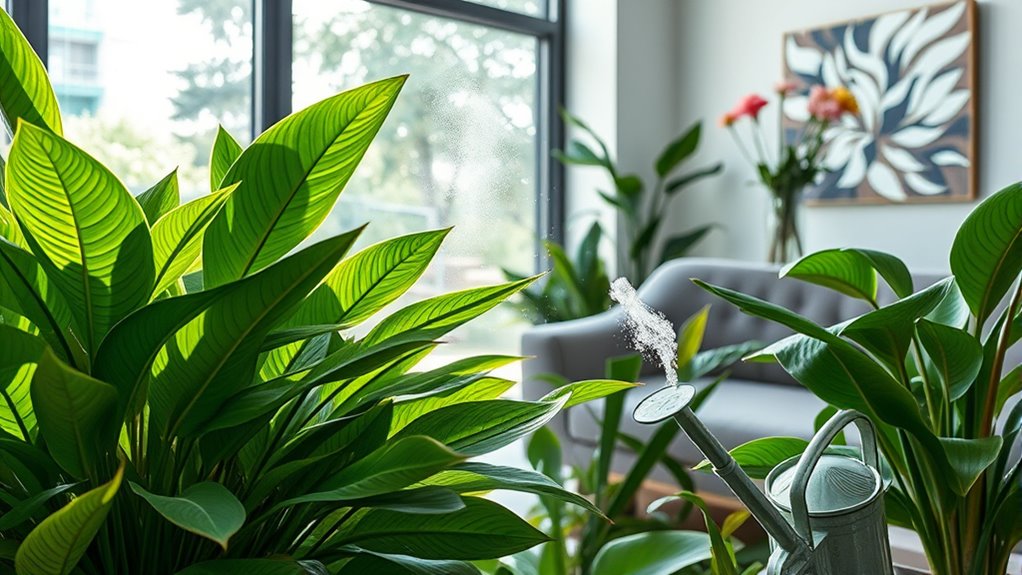

Yes, houseplants really improve indoor air quality! They absorb harmful toxins like formaldehyde and benzene while releasing oxygen, creating a fresher living space. Increased humidity from plants can also help reduce dryness in the air. Choosing the right plants for your specific space and light availability makes a big difference. Plus, with proper care, these green companions can continually benefit your health. Keep exploring to discover which plants will work best for your home!

Get kitchen gear delivered free — and shop member deals
- Fast, free delivery on millions of items
- Access to Prime Big Deal Days deals on October 6–7
- Prime Video, Amazon Music and more included
Key Takeaways
- Houseplants absorb toxins like formaldehyde, benzene, and xylene, improving indoor air quality.
- They release oxygen, enhancing freshness and promoting a healthier living environment.
- Increased humidity from plants reduces dryness, benefiting respiratory health.
- Selecting specific plants targeting particular pollutants maximizes their air purifying effects.
- Proper maintenance and placement of plants enhance their effectiveness in improving air quality.

When you bring houseplants into your home, you’re not just adding a touch of greenery; you’re also boosting your indoor air quality. Houseplants have impressive air purifying benefits that can profoundly improve the air you breathe. They work by absorbing toxins, releasing oxygen, and increasing humidity levels, creating a more pleasant living environment. This is especially important if you spend a lot of time indoors or live in an area with poor air quality. Additionally, incorporating energy-efficient cloud servers can enhance your overall home environment by utilizing sustainable technology for air purification systems.
Bringing houseplants into your home enhances air quality, absorbs toxins, and creates a healthier living environment.
To maximize these benefits, it’s essential to choose the right plants. When contemplating your plant selection tips, start by identifying which pollutants you want to tackle. For instance, spider plants and peace lilies are excellent choices for removing formaldehyde, while snake plants can help eliminate benzene and xylene. By selecting specific plants based on their strengths, you can create a more targeted approach to purifying your air.
Another factor to think about is the amount of natural light your home receives. Some plants thrive in low-light conditions, while others need bright, indirect sunlight to flourish. If you don’t have a lot of natural light, opt for hardy plants like pothos or ZZ plants, which can adapt to less-than-ideal lighting. On the other hand, if you have a sun-soaked space, consider adding fiddle-leaf figs or succulents, which love the light.
Don’t forget about maintenance, either. Some plants require more care than others, so think about how much time you can dedicate to their upkeep. For example, succulents are low-maintenance and need minimal watering, while tropical plants like ferns may need more attention. Finding a balance between the aesthetic you’re after and the time you can commit will enhance your chances of success.
Additionally, consider the size of the plants and how they’ll fit into your living space. Larger plants can serve as stunning focal points, while smaller ones can easily adorn shelves or tabletops. Mixing different sizes can create visual interest and improve air quality at various levels in your home.
Incorporating houseplants into your living space isn’t just a design choice; it’s a health-conscious decision. With the right selection and care, you’ll not only enjoy the beauty of nature indoors but also breathe easier knowing you’ve taken steps to improve your indoor air quality.
air purifying houseplants for indoor air quality
As an affiliate, we earn on qualifying purchases.
As an affiliate, we earn on qualifying purchases.
Frequently Asked Questions
How Many Houseplants Do I Need for Better Air Quality?
You’ll generally need about two to five houseplants per 100 square feet to see a noticeable air quality impact. Choosing a variety of plants can enhance their effectiveness, as different species filter out different toxins. Keep in mind that factors like light and humidity also play a role in their health and efficiency. So, make sure you’re providing the right environment for your plants to thrive and maximize their air-purifying benefits!
Can Certain Plants Be Toxic to Pets?
Yes, certain plants can be toxic to pets. It is crucial to prioritize pet safety when choosing houseplants. Common toxic plants include pothos, philodendron, and lilies, which can cause various health issues for your furry friends. Always research a plant’s toxicity before bringing it home, and consider opting for pet-friendly varieties like spider plants or Boston ferns. Keeping your pets safe and healthy should be a top priority in your home.
Do Artificial Plants Improve Air Quality?
Artificial plants don’t improve air quality. While they look nice and can enhance your décor, they don’t absorb toxins or produce oxygen like real plants do. Many air quality myths suggest that any greenery can purify the air, but that’s not the case with artificial options. If you’re looking to boost air quality, it’s best to stick with live plants instead of relying on their faux counterparts.
How Do I Care for Air-Purifying Plants?
Caring for air-purifying plants is like nurturing a delicate balance in your own ecosystem. Stick to a consistent watering routine, usually allowing the top inch of soil to dry out before you water again. Make sure they bask in the right amount of sunlight, as most thrive in bright, indirect light. Keep an eye on their leaves for signs of distress, and adjust your care accordingly to guarantee they flourish and purify your space.
Can Houseplants Affect Humidity Levels Indoors?
Yes, houseplants can affect humidity levels indoors. They naturally release moisture through a process called transpiration, which helps with humidity regulation. By increasing indoor humidity, plants can create a more comfortable environment and aid in mold prevention. If you’re looking to balance humidity in your space, adding a few houseplants can be a simple and effective solution. Just remember to choose varieties that thrive in your specific indoor conditions for the best results.
best plants for removing formaldehyde benzene
As an affiliate, we earn on qualifying purchases.
As an affiliate, we earn on qualifying purchases.
Conclusion
Incorporating houseplants into your space is like inviting nature’s little air purifiers into your home. They can help filter out toxins and boost your indoor air quality, making your environment healthier and more inviting. While they won’t replace proper ventilation, these green companions can certainly enhance your living space. So, why not bring a bit of life into your home? With a little greenery, you’re not just decorating; you’re breathing easier too.
low light indoor plants for air purification
As an affiliate, we earn on qualifying purchases.
As an affiliate, we earn on qualifying purchases.
low maintenance houseplants for home
As an affiliate, we earn on qualifying purchases.
As an affiliate, we earn on qualifying purchases.
Fall Picks
fall essentials
As an affiliate, we earn on qualifying purchases.