
TL;DR

Get kitchen gear delivered free — and shop member deals
- Fast, free delivery on millions of items
- Access to Prime Big Deal Days deals on October 6–7
- Prime Video, Amazon Music and more included
Oceana Passivhaus has seen a significant increase in global media coverage, with 36 mentions in recent reports. This reflects rising interest in sustainable building standards and innovative architecture. The development underscores Oceana’s expanding influence in the green building sector.
Oceana Passivhaus has experienced a surge in media mentions worldwide, with 36 reports recorded within a recent time window, according to the GDELT database. This rapid increase in coverage highlights the growing international attention to Oceana’s innovative approach to sustainable building design, emphasizing energy efficiency and environmental impact. The development matters because it indicates rising global interest in Passivhaus standards and green architecture, potentially influencing industry practices and policy discussions.
According to the GDELT database, Oceana Passivhaus has been mentioned 36 times in various media outlets over the recent reporting window, a significant rise compared to previous periods. These mentions span international news, architectural journals, and environmental forums, reflecting broad interest in the project’s design and sustainability credentials. The Passivhaus standard, known for its energy efficiency and minimal environmental footprint, is central to Oceana’s mission to promote sustainable living spaces. The surge in coverage is attributed to recent project milestones, new certifications, and increased advocacy by Oceana’s team, although specific media outlets or geographic regions leading this coverage have not been detailed.
Industry analysts note that this heightened attention could accelerate the adoption of Passivhaus principles globally, especially as climate concerns drive demand for sustainable construction. Oceana’s project has been praised by some experts for its innovative use of materials and energy systems, though detailed technical evaluations remain limited at this stage. The media focus also coincides with broader trends toward green building standards, which are increasingly supported by governments and industry stakeholders worldwide.
Implications for Sustainable Architecture and Industry Adoption
The surge in media attention to Oceana Passivhaus underscores a broader shift toward mainstream acceptance of energy-efficient building standards. Increased coverage can influence policymakers, investors, and developers to prioritize Passivhaus principles, potentially accelerating the global transition to sustainable construction. This visibility also enhances Oceana’s reputation as a leader in green architecture, possibly attracting new projects and partnerships. For consumers and communities, this trend signals greater availability of environmentally friendly housing options aligned with climate goals.
Passivhaus certified home insulation
As an affiliate, we earn on qualifying purchases.
As an affiliate, we earn on qualifying purchases.
Rise of Passivhaus Standards in Global Construction Trends
Passivhaus, a standard originating in Germany, emphasizes ultra-low energy consumption through superior insulation, airtightness, and ventilation. Over the past decade, its adoption has grown steadily across Europe and North America, driven by climate policies and technological advances. Oceana’s project is among the latest high-profile examples gaining international recognition. The recent media surge follows a series of project milestones, including new certifications and awards, which have brought increased visibility to Oceana’s efforts. Historically, media coverage of Passivhaus projects has been limited, making this spike notable as a sign of shifting industry and public interest in sustainable design.
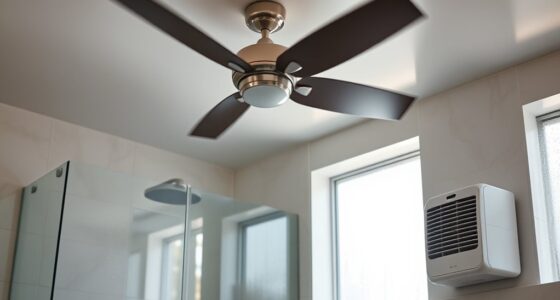
energy-efficient building ventilation systems
As an affiliate, we earn on qualifying purchases.
As an affiliate, we earn on qualifying purchases.
Extent and Sources of Media Coverage Still Unclear
While GDELT reports 36 mentions, it is not yet clear which specific outlets or regions are driving this coverage. The nature of the reports—whether they are in-depth features or brief mentions—remains unspecified. Additionally, it is unclear if this surge is a short-term spike or part of a sustained trend, as ongoing media analysis is required to confirm the trajectory. The impact of this coverage on actual project development or policy influence is also still uncertain at this stage.
green building materials for sustainable homes
As an affiliate, we earn on qualifying purchases.
As an affiliate, we earn on qualifying purchases.
Monitoring Media Trends and Project Developments
Industry observers will continue to track media mentions and coverage quality to assess whether this surge translates into tangible industry shifts. Oceana is expected to leverage this increased attention to promote further projects and partnerships. Additionally, stakeholders anticipate that upcoming certifications or project milestones will sustain or amplify media interest. Policymakers and investors may also consider this rising profile when shaping future regulations and funding for sustainable architecture initiatives.
As an affiliate, we earn on qualifying purchases.
Key Questions
What is Oceana Passivhaus?
Oceana Passivhaus is a sustainable building project designed to meet the Passivhaus standard, emphasizing energy efficiency, minimal environmental impact, and innovative architecture.
Why is the recent media coverage significant?
The increased coverage signals rising global interest in Passivhaus standards and could influence industry practices, policy, and consumer choices toward sustainable building solutions.
Who is driving this media surge?
Specific outlets are not yet identified, but the coverage appears to be broad, including international news, environmental forums, and architectural publications.
Will this coverage lead to more Passivhaus projects?
While not guaranteed, increased media attention can raise awareness and support for Passivhaus projects, potentially encouraging more developers and policymakers to adopt the standards.
What are the next steps for Oceana?
Oceana is likely to continue promoting its projects, seek further certifications, and capitalize on media interest to expand its influence in sustainable architecture.
Source: gdelt
Evergreen bestsellers Picks
bestsellers
As an affiliate, we earn on qualifying purchases.