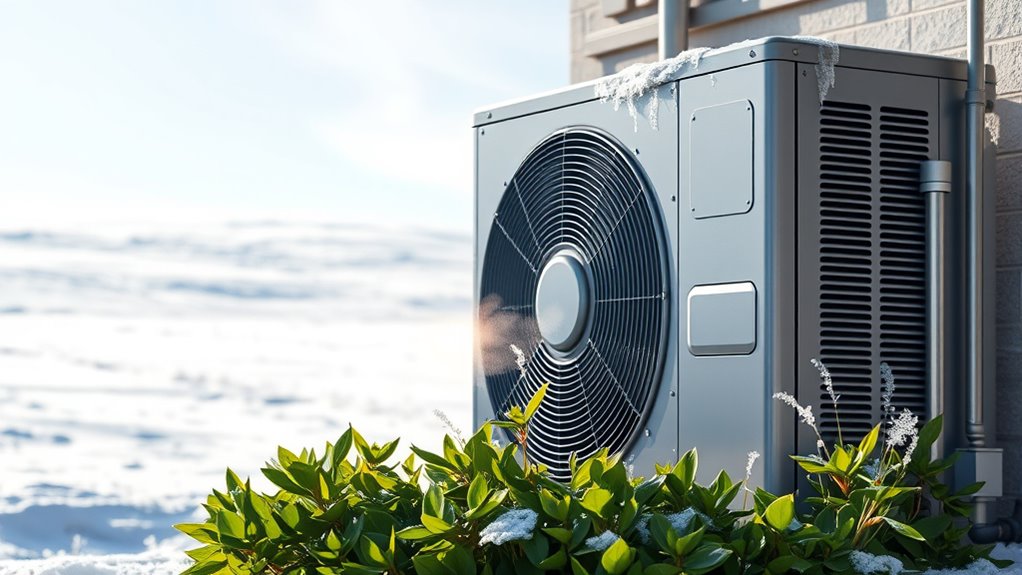

A heat pump is a versatile system that transfers heat to and from your home, giving you both heating in the winter and cooling in the summer. It absorbs heat from the outdoor air, even when it’s chilly, and moves it indoors for warmth. In warmer months, it does the opposite, removing heat from your living space. Plus, it’s energy-efficient, helping to lower your bills. There’s much more to discover about how it works and its benefits!
Key Takeaways
- A heat pump transfers heat from one location to another, providing both heating and cooling for indoor spaces.
- In winter, it extracts heat from outdoor air and pushes it indoors, even in low temperatures.
- In summer, the process reverses, removing heat from indoor air and releasing it outside for cooling.
- Heat pumps are energy-efficient, reducing energy bills and lowering carbon footprints compared to traditional heating systems.
- Modern heat pumps often include smart thermostats for automatic adjustments, enhancing comfort and energy management.
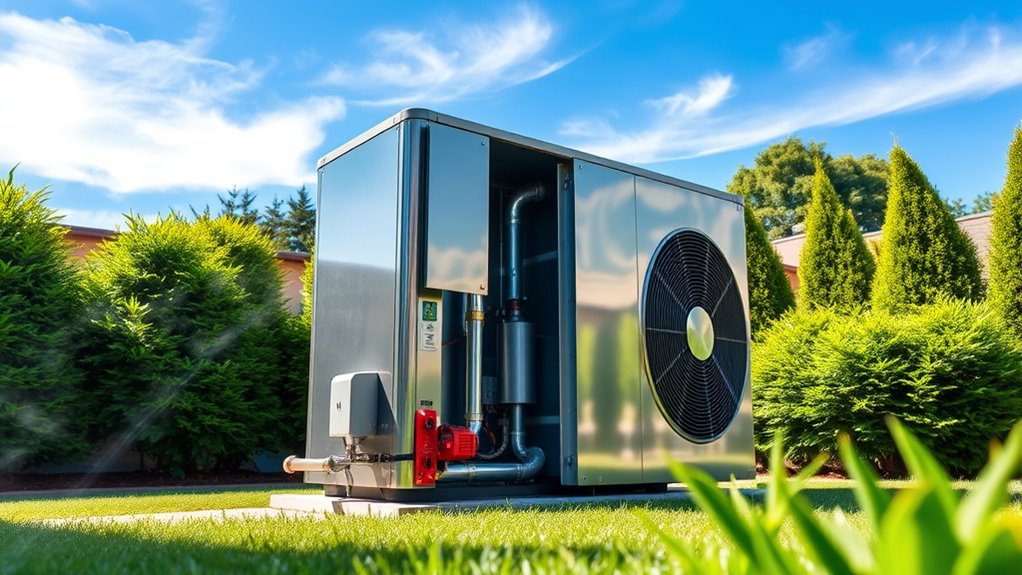
Have you ever wondered how a heat pump can keep your home comfortable all year round? It’s a remarkable piece of technology that not only heats your home during the chilly months but also cools it during the sweltering summer. Understanding how a heat pump works helps you appreciate its role in climate control and energy efficiency.
At its core, a heat pump transfers heat from one place to another. In winter, it extracts heat from the outside air, even when it’s cold, and pushes it indoors. You might think that when temperatures drop, there’s no heat to draw from, but heat pumps can pull heat from the air down to a surprisingly low temperature. This process relies on a refrigerant, which absorbs heat and transforms from liquid to gas, moving heat into your home through a system of coils and ducts.
In the summer months, the process flips. The heat pump pulls heat out of your home and releases it outside, making your living space cooler and more comfortable. This dual functionality makes heat pumps incredibly versatile and a smart choice for climate control in any season.
What’s more, heat pumps are designed with energy efficiency in mind. Compared to traditional heating systems like furnaces, they use less energy to provide the same amount of heat. This not only lowers your energy bills but also reduces your carbon footprint, making them an environmentally friendly option. When you invest in a heat pump, you’re not just thinking about comfort; you’re also considering long-term savings and sustainability. Additionally, incorporating a whole-home backup power system can ensure your heat pump operates effectively even during power outages.
Modern heat pumps come with advanced features, such as smart thermostats that learn your preferences and adjust the temperature accordingly. This technology helps maximize energy efficiency by ensuring that the system only runs when needed. You’re in control, and you can fine-tune your home’s climate to match your lifestyle seamlessly.
Frequently Asked Questions
Are Heat Pumps Suitable for All Climates?
Heat pumps can be suitable for many climates, but their seasonal efficiency varies. In moderate climates, they perform exceptionally well, providing both heating and cooling effectively. However, in extreme temperatures, their efficiency may decline, affecting performance. If you live in a region with harsh winters or scorching summers, consider a heat pump’s climate adaptability. You might need supplemental heating or cooling systems to guarantee comfort year-round, depending on your specific climate conditions.
How Much Do Heat Pumps Typically Cost?
Heat pumps typically cost between $3,000 and $8,000, depending on the type and size you choose. When you consider installation expenses, the total can rise to $10,000 or more. It’s wise to do a cost comparison with traditional heating systems to see the long-term savings. Keep in mind that while the initial investment might be higher, heat pumps can lower your energy bills over time, making them a smart choice.
What Is the Lifespan of a Heat Pump?
A heat pump typically lasts around 15 to 20 years, depending on factors like maintenance and usage. If you invest in high-quality installation and prioritize energy efficiency, you might extend its lifespan. While installation costs can be higher than traditional systems, the long-term savings on energy bills often make it worth it. Regular upkeep and timely repairs can also help you get the most out of your heat pump’s lifespan.
Can Heat Pumps Provide Hot Water?
Yes, heat pumps can provide hot water. They use different refrigerant types to extract heat from the air or ground, which can then be used for heating water. Many systems also offer solar compatibility, allowing you to combine solar energy with your heat pump, enhancing efficiency and reducing energy costs. By integrating these technologies, you can enjoy a reliable hot water supply while being eco-friendly and cost-effective.
How Do I Maintain My Heat Pump?
Did you know that regular maintenance can improve your heat pump’s efficiency by up to 30%? To maintain your heat pump, check and replace the filters every 1-3 months for ideal airflow and system efficiency. Keep the outdoor unit clear of debris and ensure the area around it is well-ventilated. Schedule a professional inspection annually to catch any issues early and keep your system running smoothly for years to come.
Conclusion
In summary, a heat pump is like a trusty Swiss Army knife for your home’s climate control—versatile and efficient. Just as you’d rely on that tool for various tasks, a heat pump efficiently warms or cools your space, saving energy and costs. For instance, a study found that homeowners can cut their heating bills by up to 50% with this technology. So, when you think of comfort, remember that a heat pump’s your go-to gadget for year-round coziness.