If your old kitchen appliance is making strange noises like grinding or squealing, it’s a sign it may be malfunctioning. Rising energy bills without increased usage can indicate declining efficiency. Frequent repairs point to an appliance nearing the end of its lifespan, and if performance has slowed or worsened, it’s time to contemplate a replacement. Once an appliance exceeds its expected lifespan, its reliability diminishes. Stay tuned to discover more signs that it’s time for an upgrade.
Key Takeaways
- Unusual noises like grinding or squealing indicate worn parts or motor issues needing replacement.
- Rising energy bills without increased usage suggest the appliance is losing efficiency.
- Frequent repairs or breakdowns signal the appliance is nearing the end of its lifespan.
- Declining performance, such as longer task times or poor results, points to aging and inefficiency.
- Surpassing the expected lifespan indicates it’s time for a reliable, energy-efficient upgrade.
Your Appliance Is Making Unusual Noises

If your appliance suddenly starts making unusual noises, it’s a clear sign that something isn’t right. Noise diagnosis helps identify whether the issue stems from worn-out parts, loose components, or motor problems. Ignoring these sounds can lead to more extensive damage, increasing repair costs over time. For example, grinding, squealing, or banging might indicate failing belts or bearings, which could require costly repairs if left unaddressed. Often, replacing an old appliance proves more economical than repeatedly fixing it. By paying attention to these noises early, you can make informed decisions about whether repair costs are justified or if it’s time to think about a new appliance. Proper diagnostics and maintenance can help extend the lifespan of your appliance and prevent unexpected breakdowns. Additionally, understanding warning signs can help determine whether your appliance is nearing the end of its reliable service. Recognizing performance decline can also signal that replacement might be a more practical choice than ongoing repairs. Regular preventive care can catch issues early and keep your appliances functioning smoothly. Moreover, being aware of underlying mechanical issues can further assist in making timely decisions about repairs or replacements. Acting promptly can save you money and prevent inconvenient breakdowns down the line.
Increased Energy Bills Suggest Inefficiency
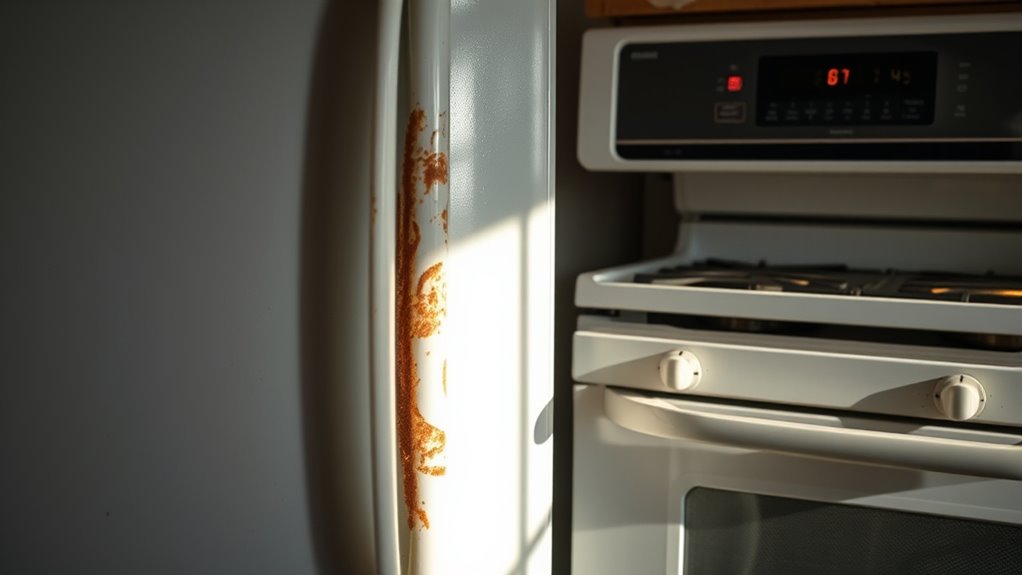
Rising energy bills are a clear sign that your old kitchen appliances may no longer be operating efficiently. Over time, outdated appliances consume more power, driving up your monthly costs. If you notice a spike in energy expenses without increased usage, it’s likely your appliances are losing their energy-saving edge. Upgrading to newer models can markedly improve energy efficiency, helping you save money and reduce your environmental impact. Modern appliances are designed with advanced technology to optimize energy consumption, making them a smart investment. While the upfront cost might seem high, the long-term savings on utility bills often outweigh the expense. Additionally, appliance maintenance can help extend the lifespan and efficiency of your current units, but if they are significantly outdated, replacement is often more cost-effective. If your energy bills have been creeping upward, it’s a strong indicator that energy efficiency upgrades are overdue. Incorporating smart technology into your new appliances can further enhance their performance and save you even more over time. Regularly assessing your appliances for performance decline can help you decide when replacement might be necessary before costs escalate.
Frequent Repairs Keep Coming Up
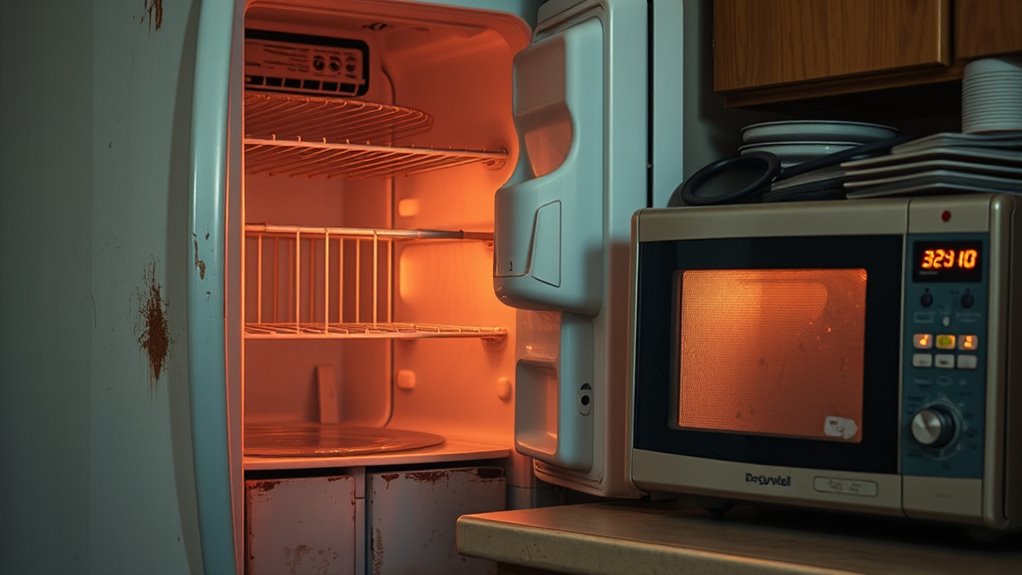
When your kitchen appliances frequently break down or require repairs, it’s a strong sign they’re past their prime. Constant issues mean you’re likely spending more on repairs than the appliance’s worth. Check if your appliance is still under an appliance warranty; if so, repairs might be covered, saving you money. However, if the repair costs start adding up and approach the replacement cost, it’s smarter to contemplate replacing the unit. Repeated repairs can become a cycle of ongoing expenses, making repairs less cost-effective over time. Eventually, the inconvenience and mounting repair bills signal it’s time to invest in a new appliance. Don’t let frequent breakdowns drain your budget—sometimes replacing your old appliance is the most efficient choice. Additionally, considering best espresso machines under $1000 can help you find a durable and high-quality replacement that fits your needs, especially if you want a long-lasting and efficient kitchen appliance. Understanding the cost-effectiveness of repairs versus replacement can further guide your decision-making process. For example, learning about appliance lifespan expectations can help determine whether repairs are a temporary fix or a sign to upgrade, and evaluating the energy efficiency of new models can save you money in the long run.
It No Longer Performs as Well as Before
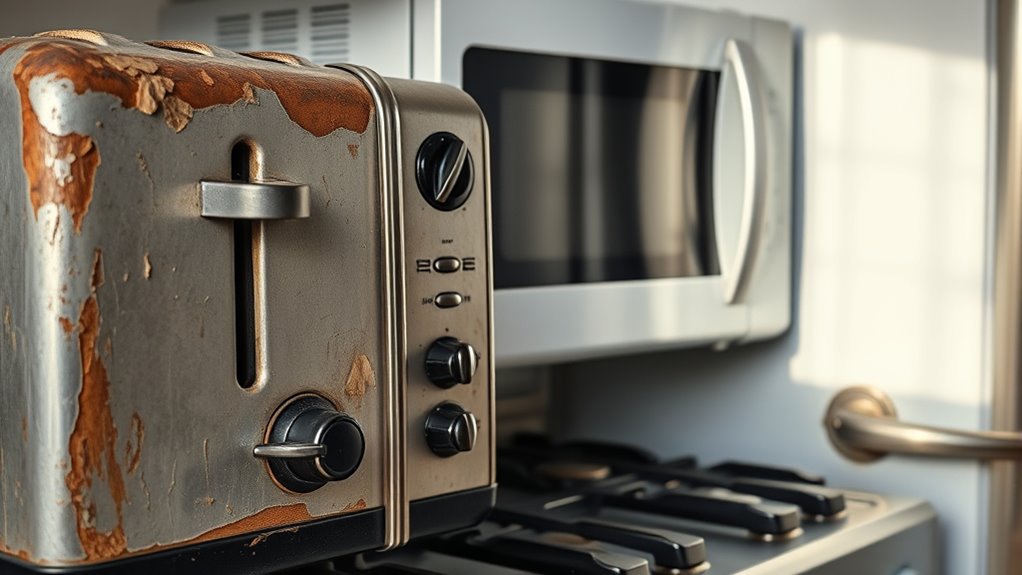
Over time, you might notice that your kitchen appliances no longer perform as efficiently as they once did. Perhaps your refrigerator takes longer to cool, or your dishwasher leaves dishes less spotless. When this happens, it’s a sign that your appliance isn’t operating at its best. To troubleshoot, try simple maintenance tips like cleaning filters or checking for blockages. Regular maintenance can extend the lifespan of your appliances and improve their performance. Comparing brands can also help you find models with better reliability and performance. If your appliance continues to underperform despite these efforts, it’s likely time to contemplate replacing it. Continuing to use an appliance that no longer works properly can lead to higher energy bills and potential damage. Recognizing these signs early ensures you don’t waste time and money on ineffective repairs. Additionally, understanding appliance lifespan can help you determine when it’s truly time for a replacement. Regularly assessing your appliances and knowing the signs of wear and tear can save you from unexpected breakdowns. Being aware of performance decline is essential to maintaining an efficient kitchen.
Your Appliance Has Reached Its Expected Lifespan
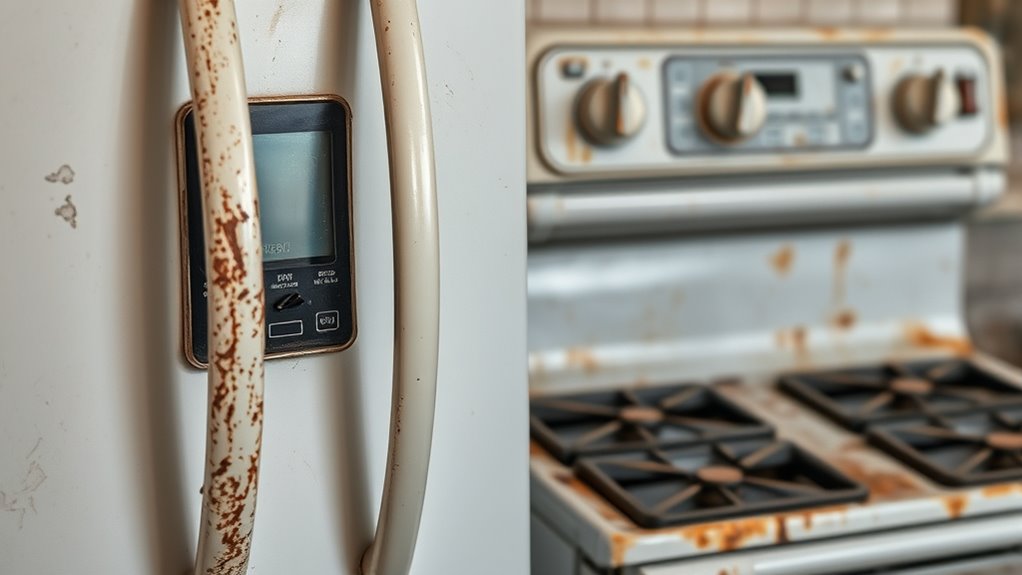
Many appliances naturally reach the end of their expected lifespan after several years of use. If your appliance has been functioning for a long time, it’s likely nearing or has already surpassed that point. Routine appliance maintenance can extend its life, but even well-maintained units eventually wear out. When your appliance hits this stage, it may become less efficient, more prone to breakdowns, or require costly repairs. Consider the brand reputation as well—trusted brands tend to produce appliances that last longer and perform better over time. If your appliance has reached its expected lifespan, it’s a clear sign that replacement might be necessary. Upgrading can save you money on repairs and ensure you have a reliable, energy-efficient appliance in your kitchen. Vetted appliances are often more durable and dependable, making them a worthwhile investment. Additionally, paying attention to appliance performance can help you decide when it’s time for an upgrade. Moreover, monitoring energy efficiency can help reduce ongoing operating costs and improve your overall household sustainability. Regularly assessing wear and tear can also provide early signs that your appliance needs replacing before a complete breakdown occurs.
Frequently Asked Questions
How Can I Tell if My Appliance Is Beyond Repair?
If your appliance keeps breaking down despite multiple repairs, it’s likely beyond repair. Consider the appliance repair costs—if they add up to more than replacing it, that’s a sign. Also, check if it’s still under appliance warranty coverage; if not, repairs might not be worth it. When repair expenses outweigh benefits and warranties have expired, it’s time to replace your appliance for better efficiency and reliability.
Are There Eco-Friendly Options for Replacing Old Appliances?
Yes, there are eco-friendly options for replacing your old appliances. Did you know that ENERGY STAR-rated appliances use up to 50% less energy? These models come with advanced eco friendly features that reduce your carbon footprint while saving you money. When shopping, look for appliances with high energy efficiency ratings and eco-friendly certifications. Choosing these options helps protect the environment and lowers your utility bills over time.
What Is the Average Lifespan of Different Kitchen Appliances?
You can expect your refrigerator to last about 10-15 years, while dishwashers and microwaves typically serve 8-12 years. Regular appliance maintenance helps extend their energy efficiency and lifespan. For ovens and stoves, plan on 15-20 years with proper care. Keep an eye on signs of wear, as aging appliances become less energy-efficient, which may mean it’s time to replace them for better performance and savings.
Can Frequent Repairs Be More Cost-Effective Than Replacement?
Frequent repairs can sometimes be more cost-effective than replacement if repair costs stay low and extend the appliance’s lifespan. Do a thorough cost analysis, comparing repair costs against the price of a new appliance. If repairs become expensive or don’t fix the problem permanently, replacing might save you money in the long run. Keep track of repair frequency and costs to make the best decision for your budget.
How Do I Choose the Right Replacement Appliance for My Needs?
Imagine your kitchen as a symphony, and your appliances are the instruments. To choose the right replacement, focus on energy efficiency to save money and the environment. Look for brands with a stellar reputation, ensuring quality and reliability. Consider your cooking habits and space. By blending these factors, you’ll find an appliance that harmonizes with your lifestyle, making every meal a masterpiece and every kitchen moment smooth.
Conclusion
If your appliance shows these signs, it’s time to replace it. Think of it like an old car that’s lost its spark—continuously breaking down and costing more to fix. Holding onto it only wastes energy and money. Upgrading now ensures you get a reliable, efficient machine that makes your life easier. Don’t wait until it completely fails; a new appliance is like a gust of fresh air, ready to serve you better every day.