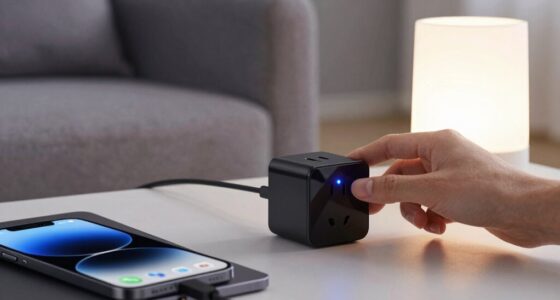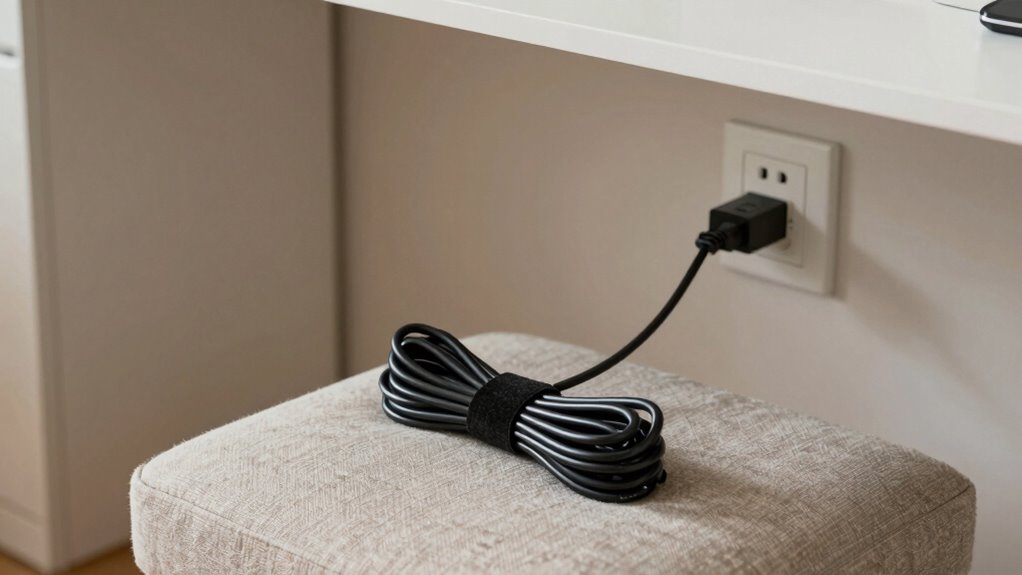

To manage corded appliances safely at home, regularly inspect cords for damage and keep appliances clean and in good working order. Always plug devices into properly grounded outlets, avoid overloading sockets, and unplug appliances when not in use. Keep cords away from water, heat, and high-traffic areas, and use surge protectors carefully. Maintaining proper habits and safety standards helps prevent hazards. If you’d like to discover more safety tips, there’s plenty more to learn.

Get kitchen gear delivered free — and shop member deals
- Fast, free delivery on millions of items
- Access to Prime Big Deal Days deals on October 6–7
- Prime Video, Amazon Music and more included
Key Takeaways
- Regularly inspect cords for damage and replace any worn or frayed wiring immediately.
- Use properly grounded outlets and avoid overloading power strips with high-wattage devices.
- Keep cords away from water, heat sources, and high-traffic areas to prevent damage and tripping hazards.
- Unplug appliances when not in use and handle plugs firmly to avoid damaging cords.
- Maintain appliances by cleaning vents, filters, and movable parts to ensure safe operation.
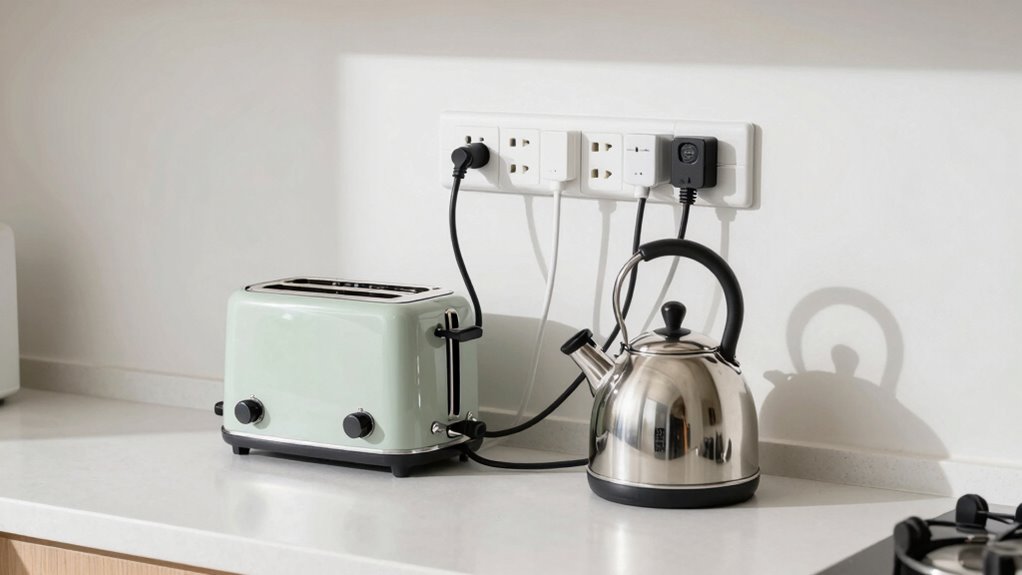
Using corded appliances safely at home is essential to prevent accidents and electrical hazards. When you handle these devices carefully, you reduce the risk of shocks, fires, and damage to your electrical systems. One of the most important aspects of electrical safety is guaranteeing your appliances are well-maintained. Regularly inspecting cords for frays, cracks, or exposed wires helps catch potential problems early. Damaged cords can cause shorts or shocks, so replacing them immediately is a smart move. Additionally, keeping appliances clean and free of dust or debris prevents overheating and maintains their efficiency.
Regularly inspect and maintain cords to prevent shocks, fires, and electrical damage at home.
You should always plug appliances into properly grounded outlets to minimize the risk of electrical shock. Never overload a single outlet by plugging in multiple high-wattage devices, as this can cause overheating and increase the chance of an electrical fire. Using power strips with built-in surge protectors is a good idea, but only if you don’t exceed their recommended load. When unplugging cords, always grasp the plug firmly rather than yanking on the cord. This avoids damaging the cord or the outlet, which could compromise safety. Also, avoid twisting or bending cords sharply, as this can weaken the internal wiring over time.
Proper appliance maintenance extends beyond just inspecting cords. Regularly cleaning vents, filters, and other components helps prevent overheating and keeps appliances functioning smoothly. For example, vacuuming dust from a vacuum cleaner or cleaning lint from a dryer vent reduces fire hazards. When appliances have movable parts or switches, ensure they are in good working order—replace worn switches or loose connections promptly. If an appliance begins to malfunction, stop using it immediately and seek professional repair rather than trying to fix it yourself, which could worsen the problem or cause shocks. Incorporating regional flavors and chicory/coffee insights can also enhance your understanding of how different regions approach appliance use and safety.
Another key safety tip is to be mindful of where you place corded appliances. Keep cords away from water, heat sources, and high-traffic areas to prevent tripping or accidental damage. When not in use, unplug appliances to avoid unnecessary power drain and reduce the chance of electrical issues. It is also beneficial to understand electrical safety standards to ensure your home complies with safety regulations and to identify potential hazards. Staying informed about electrical codes can help you recognize and address common safety concerns proactively. Additionally, adopting preventive maintenance practices can significantly reduce the risk of electrical accidents and prolong the life of your appliances.
A further consideration is understanding how technology impacts safety by integrating features such as automatic shutoff or overload protection in your appliances. If your home has children or pets, take extra precautions by keeping cords out of reach and using outlet covers to restrict access to electrical outlets.
Ultimately, managing corded appliances with care involves proactive appliance maintenance and practicing good electrical safety habits. By inspecting cords regularly, avoiding overloads, and maintaining your appliances properly, you create a safer environment at home. Taking these steps not only protects you and your loved ones but also extends the lifespan of your appliances, saving you money in the long run.
surge protector with overload protection
As an affiliate, we earn on qualifying purchases.
As an affiliate, we earn on qualifying purchases.
Frequently Asked Questions
Can I Use Extension Cords With All Appliances Safely?
You can’t use extension cords with all appliances safely, especially cordless appliances or wireless devices that don’t require cords. For corded appliances, always choose heavy-duty extension cords rated for the appliance’s power needs, and avoid daisy-chaining multiple cords. Remember, extension cords are temporary solutions; permanent installation is safer. Using the right cord prevents overheating and electrical hazards, ensuring your appliances operate safely without risking damage or injury.
How Often Should I Inspect Appliance Cords for Damage?
You should inspect your appliance cords at least once a month. Regular cord inspection frequency helps catch damage early, preventing electrical hazards and ensuring safe operation. Don’t wait until you see obvious damage—early signs like fraying or cracking can be hidden but still dangerous. By consistently checking cords, you actively prevent damage, reduce the risk of fire or shock, and keep your home safer. It’s a simple step that makes a big difference.
Are There Specific Storage Tips for Corded Appliances?
To keep your corded appliances safe and organized, use effective cord storage solutions like cable reels or zip ties to prevent tangling. When organizing appliance cords, coil them neatly without tight bends, and store them in a dry, accessible space away from heat or moisture. Label cords if needed for easy identification, and avoid wrapping cords too tightly, which can cause damage over time. Proper storage prolongs appliance life and reduces hazards.
What Should I Do if a Cord Is Frayed or Damaged?
If a cord is frayed or damaged, you should unplug the appliance immediately to prevent accidents. Did you know that faulty cords cause thousands of electrical fires annually? For cord safety, don’t ignore visible damage—replace or repair the cord promptly. Regular appliance maintenance is essential; it keeps your home safe and prevents potential hazards. Always use certified repair services to guarantee your appliances remain safe and functional.
Can I Repair a Damaged Cord Myself Safely?
You shouldn’t attempt a DIY repair on a damaged cord because electrical safety is vital. Repairing cords yourself can be risky, especially if you’re not trained, as it might lead to electric shock or fire hazards. Instead, replace the damaged cord or appliance. Always prioritize safety by consulting a professional or using manufacturer-approved replacement parts. This way, you guarantee your home stays safe and compliant with electrical standards.
grounded electrical outlet adapters
As an affiliate, we earn on qualifying purchases.
As an affiliate, we earn on qualifying purchases.
Conclusion
By managing your corded appliances carefully, you protect your home and loved ones from potential hazards. Just as a single, loose cord can cause a fall, neglecting safety can lead to bigger accidents. Staying vigilant and organized isn’t just about avoiding inconvenience; it’s about safeguarding what matters most. In the end, the simple act of mindful management transforms your space from a place of potential danger into a haven of safety and peace of mind.
cord safety cover for appliances
As an affiliate, we earn on qualifying purchases.
As an affiliate, we earn on qualifying purchases.
As an affiliate, we earn on qualifying purchases.
Fall Picks
fall essentials
As an affiliate, we earn on qualifying purchases.