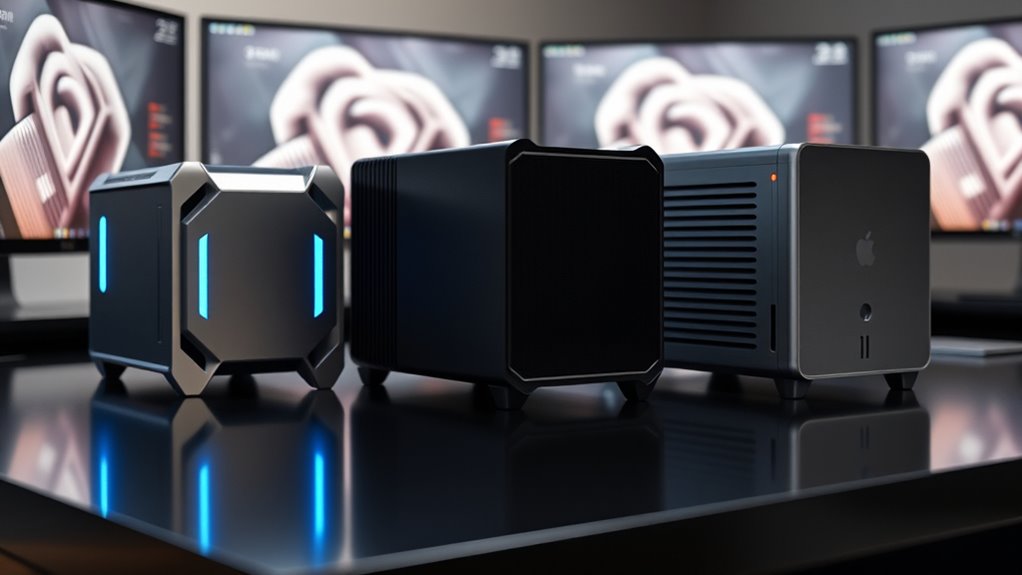

Choosing the right Mac Pro for demanding 3D modeling and simulation in 2026 hinges on performance, portability, and budget. The Apple MacBook Pro with M5 Max stands out for raw power in a portable package, ideal for those who need mobility without sacrificing performance. The 16-inch MacBook Pro with M5 Max Chip offers a balance of power and portability, perfect for professionals on the move. For those prioritizing sheer processing muscle, the 16-inch MacBook Pro with M5 Max Chip is an excellent choice. Meanwhile, the Renewed 2021 MacBook Pro with M1 Pro offers a cost-effective, high-performance option for budget-conscious users. Each choice involves tradeoffs between size, power, and price, making it vital to align your workflow with the device’s strengths.

Get kitchen gear delivered free with Prime
- Fast, free delivery on millions of items
- Prime Video, Amazon Music and more included
- Member-only deals all year
Complete the kit



Key Takeaways
- The Apple MacBook Pro with M5 Max offers unmatched power with portability, but at a high price and weight.
- The 16-inch MacBook Pro with M5 Max Chip strikes a balance, delivering high-end specs in a portable form factor.
- The Renewed 2021 MacBook Pro with M1 Pro provides excellent performance for less, though it’s less future-proof.
- Size and weight remain key considerations—larger models excel in performance but compromise portability.
- Your workflow needs—whether on-site, mobile, or studio-based—should guide your choice among these options.
| Apple MacBook Pro with M5 Max, 16.2-inch Display, 128GB Memory, 2TB SSD, Silver |  | Best Overall Powerhouse for Mobile 3D and Simulation | Processor: M5 Max, 18-core CPU, 40-core GPU | Display: 16.2-inch Liquid Retina XDR, 1600 nits | Memory: 128GB | VIEW ON AMAZON | See Our Full Breakdown |
| Apple MacBook Pro Laptop with M5 Pro, 16.2-inch Display, 64GB Memory, 1TB SSD, Space Black |  | Best for Demanding Creative and Simulation Work on the Move | Processor: M5 Pro, 18-core CPU, 20-core GPU | Display: 16.2-inch Liquid Retina XDR | Memory: 64GB | VIEW ON AMAZON | See Our Full Breakdown |
| Apple MacBook Pro Laptop with M5 Pro Chip, 14.2-inch Liquid Retina XDR Display, 48GB RAM, 1TB SSD, Space Black |  | Best Compact Power for 3D and Simulation Professionals | Display: 14.2-inch Liquid Retina XDR | Processor: M5 Pro, 18-core CPU, 20-core GPU | Memory: 48GB | VIEW ON AMAZON | See Our Full Breakdown |
| Apple 16-inch MacBook Pro with M5 Max Chip, 64GB RAM, 2TB SSD, Silver |  | High-End Desktop Replacement for Heavy 3D and Simulation Tasks | Processor: M5 Max, 18-core CPU, 40-core GPU | Display: 16-inch Liquid Retina XDR | Memory: 64GB | VIEW ON AMAZON | See Our Full Breakdown |
| 2021 Apple MacBook Pro with M1 Pro Chip (16-inch, 32GB RAM, 1TB SSD) Space Gray (Renewed Premium) |  | Best Budget-Friendly High-Performance Mac for 3D and Simulation | Processor: M1 Pro, 10-core CPU, 16-core GPU | Display: 16.2-inch Retina with ProMotion | Memory: 32GB | VIEW ON AMAZON | See Our Full Breakdown |
| mac pro for 3d and simulation | Processor | Display | Memory | Storage |
|---|---|---|---|---|
| Apple MacBook Pro with M5 Max | M5 Max, 18-core CPU, 40-core GPU | 16.2-inch Liquid Retina XDR, 1600 nits | 128GB | 2TB SSD |
| Apple MacBook Pro Laptop with | M5 Pro, 18-core CPU, 20-core GPU | 16.2-inch Liquid Retina XDR | 64GB | 1TB SSD |
| Apple MacBook Pro Laptop with | M5 Pro, 18-core CPU, 20-core GPU | 14.2-inch Liquid Retina XDR | 48GB | 1TB SSD |
| Apple 16-inch MacBook Pro with | M5 Max, 18-core CPU, 40-core GPU | 16-inch Liquid Retina XDR | 64GB | 2TB SSD |
| 2021 Apple MacBook Pro with M1 | M1 Pro, 10-core CPU, 16-core GPU | 16.2-inch Retina with ProMotion | 32GB | 1TB SSD |
More Details on Our Top Picks
Apple MacBook Pro with M5 Max, 16.2-inch Display, 128GB Memory, 2TB SSD, Silver
This MacBook Pro stands out for its exceptional M5 Max chip, featuring an 18-core CPU and 40-core GPU, making it ideal for heavy-duty rendering and simulation tasks. The 16.2-inch Liquid Retina XDR display ensures crisp visuals and high brightness, crucial for detailed modeling work. Compared with the 14.2-inch model, it offers larger real estate but is heavier, which might hinder portability. Its extensive port selection and seamless Apple ecosystem integration make it a comprehensive choice for professionals who need raw power on the go. The main tradeoff is its high price and weight, which can be limiting for frequent travelers.
Pros:- Unmatched CPU and GPU power with M5 Max
- Large, high-brightness display
- Multiple connectivity options including SDXC and HDMI
- Seamless Apple ecosystem integration
Cons:- High cost
- Heavy and less portable than smaller models
- Limited upgrade options post-purchase
Best for: Power users who need maximum performance in a portable form factor
Not ideal for: Users prioritizing ultra-lightweight devices or budget-conscious buyers
- Processor:M5 Max, 18-core CPU, 40-core GPU
- Display:16.2-inch Liquid Retina XDR, 1600 nits
- Memory:128GB
- Storage:2TB SSD
- Ports:Three Thunderbolt 5, MagSafe 3, SDXC, HDMI, headphone jack
- Audio:Six speakers with Spatial Audio and Dolby Atmos
Our verdict“This model is perfect for professionals who prioritize top-tier performance and are willing to accept portability tradeoffs.”
Apple MacBook Pro Laptop with M5 Pro, 16.2-inch Display, 64GB Memory, 1TB SSD, Space Black
This MacBook Pro combines a robust M5 Pro CPU with an 18-core processor and a 20-core GPU, delivering excellent performance for intensive 3D rendering and simulations. Its 16.2-inch Liquid Retina XDR display offers superb contrast and brightness, essential for detailed visualization. It’s a strong choice for professionals who need a portable device that can handle complex workflows, especially with the added benefit of Wi-Fi 7 and Bluetooth 6 for fast connectivity. However, its premium price and weight make it less ideal for those seeking ultra-light solutions. The device’s limited upgradeability means you should choose your specs carefully at purchase.
Pros:- Powerful M5 Pro CPU and GPU
- Excellent display quality with high brightness
- Advanced connectivity including Wi-Fi 7
- Seamless Apple ecosystem integration
Cons:- Premium price
- Heavy and large
- Limited upgrade options
Best for: Creative professionals needing high performance and mobility
Not ideal for: Budget-conscious buyers or those requiring frequent hardware upgrades
- Processor:M5 Pro, 18-core CPU, 20-core GPU
- Display:16.2-inch Liquid Retina XDR
- Memory:64GB
- Storage:1TB SSD
- Ports:Three Thunderbolt 5, MagSafe 3, SDXC, HDMI
- Wireless:Wi-Fi 7, Bluetooth 6
Our verdict“Ideal for demanding workflows that require mobility without sacrificing performance, though at a premium cost.”
Apple MacBook Pro Laptop with M5 Pro Chip, 14.2-inch Liquid Retina XDR Display, 48GB RAM, 1TB SSD, Space Black
The 14-inch MacBook Pro with M5 Pro offers a powerful CPU and GPU in a more compact form factor, making it suitable for those who need serious performance but prefer a lighter device. Its Liquid Retina XDR display ensures sharp visuals, and with 48GB RAM and a 1TB SSD, it handles complex projects efficiently. The device’s smaller size makes it more portable, but the tradeoff is fewer ports—meaning adapters may be necessary for some peripherals. Its high price still places it in the premium segment, but it balances power and portability well for many professionals.
Pros:- Strong M5 Pro CPU and GPU
- High-quality display with high brightness
- More portable than larger models
- Seamless Apple ecosystem experience
Cons:- Premium price
- Limited ports
- Less upgrade flexibility
Best for: On-the-go 3D artists and simulation specialists who need power in a lighter package
Not ideal for: Users requiring extensive port options or expandable hardware
- Display:14.2-inch Liquid Retina XDR
- Processor:M5 Pro, 18-core CPU, 20-core GPU
- Memory:48GB
- Storage:1TB SSD
- Ports:Three Thunderbolt 5, MagSafe 3, SDXC, HDMI
- Wireless:Wi-Fi 7, Bluetooth 6
Our verdict“This model suits professionals who need a balance of power and portability, with some compromises on ports and expandability.”
Apple 16-inch MacBook Pro with M5 Max Chip, 64GB RAM, 2TB SSD, Silver
This 16-inch MacBook Pro combines the M5 Max with 64GB RAM and a 2TB SSD, making it a formidable device for persistent, high-load 3D rendering and simulations. Its large 16-inch Liquid Retina XDR display provides ample workspace with stunning clarity. While it offers exceptional performance, its size and weight limit portability, making it more suitable as a desktop replacement for studio environments. The high price and limited upgradeability after purchase are tradeoffs to consider for those who need maximum processing power in a mobile form.
Pros:- Top-tier M5 Max CPU and GPU
- Large, high-quality display
- Ample 64GB RAM for intensive workflows
- High-capacity SSD
Cons:- Very heavy and less portable
- High cost
- Limited upgrade options
Best for: High-end studios and power users who prioritize performance over portability
Not ideal for: Travel-heavy professionals or those on a tight budget
- Processor:M5 Max, 18-core CPU, 40-core GPU
- Display:16-inch Liquid Retina XDR
- Memory:64GB
- Storage:2TB SSD
- Ports:Three Thunderbolt 5, MagSafe 3, HDMI, SDXC
- Audio:Six speakers with Spatial Audio and Dolby Atmos
Our verdict“Designed for power users needing maximum computing performance, with portability taking a backseat.”
2021 Apple MacBook Pro with M1 Pro Chip (16-inch, 32GB RAM, 1TB SSD) Space Gray (Renewed Premium)
The 2021 MacBook Pro with M1 Pro offers a compelling blend of performance and value. Its 10-core CPU and 16-core GPU handle demanding 3D rendering and simulations effectively, especially with 32GB RAM and 1TB SSD. The 16.2-inch Retina display with ProMotion technology ensures crisp visuals, and the long battery life of up to 21 hours makes it practical for extended work sessions. Being a renewed product, it may have some warranty limitations, but it presents a cost-efficient alternative for users who don’t need the absolute latest hardware.
Pros:- Strong M1 Pro CPU and GPU
- Excellent display with ProMotion
- Long battery life
- Good value for high-end performance
Cons:- Renewed product may have warranty concerns
- Heavy compared to ultralights
- Limited ports requiring adapters
Best for: Budget-conscious professionals seeking high performance
Not ideal for: Those wanting the latest M5 chip or maximum future-proofing
- Processor:M1 Pro, 10-core CPU, 16-core GPU
- Display:16.2-inch Retina with ProMotion
- Memory:32GB
- Storage:1TB SSD
- Ports:Three Thunderbolt 4, HDMI, SDXC, MagSafe 3
- Battery Life:Up to 21 hours
Our verdict“A solid choice for budget-aware users needing serious performance without the latest hardware, provided they’re comfortable with a renewed device.”
How We Picked
Our selection process focused on devices that deliver exceptional performance for 3D rendering and simulation tasks on macOS. We prioritized high-core CPU and GPU configurations, ample RAM, and fast SSDs, as these directly impact rendering times and simulation complexity. Portability was also a factor, balancing power with weight and battery life, especially for users who work on the go. Cost and future-proofing considerations helped us select options that cater to different budgets and upgradeability needs. Devices with proven reliability, seamless Apple ecosystem integration, and display quality were included to ensure professional-grade performance.
| mac pro for 3d and simulation | Processor | Ports |
|---|---|---|
| Apple MacBook Pro with M5 Max | M5 Max, 18-core CPU, 40-core GPU | Three Thunderbolt 5, MagSafe 3, SDXC, HDMI, headphone jack |
| Apple MacBook Pro Laptop with | M5 Pro, 18-core CPU, 20-core GPU | Three Thunderbolt 5, MagSafe 3, SDXC, HDMI |
| Apple MacBook Pro Laptop with | M5 Pro, 18-core CPU, 20-core GPU | Three Thunderbolt 5, MagSafe 3, SDXC, HDMI |
| Apple 16-inch MacBook Pro with | M5 Max, 18-core CPU, 40-core GPU | Three Thunderbolt 5, MagSafe 3, HDMI, SDXC |
| 2021 Apple MacBook Pro with M1 | M1 Pro, 10-core CPU, 16-core GPU | Three Thunderbolt 4, HDMI, SDXC, MagSafe 3 |
Factors to Consider When Choosing Mac Pro For 3d And Simulation
Choosing the right Mac Pro for 3D and simulation work involves balancing raw performance, portability, and budget. High-end professionals will prioritize models with the M5 Max or M5 Pro chips, equipped with ample RAM and large displays, but these come with higher costs and weight. For mobile workflows, a 14-inch or 16-inch MacBook Pro with powerful specs can deliver excellent performance without sacrificing too much portability. Budget-conscious buyers should consider renewed or earlier-generation options that still offer robust performance, but they may lack some future-proofing. Ultimately, matching your work environment and project demands to the device’s capabilities will lead to the best investment.
Performance and CPU/GPU Power
If your work involves complex 3D rendering, simulations, or AI processing, prioritize devices with the M5 Max or M5 Pro chips. These chips offer the highest core counts and GPU cores, drastically reducing rendering times and improving simulation speeds. The tradeoff is cost and weight, especially with larger models. For less demanding workflows, the M1 Pro still provides excellent performance at a lower price point.
Portability vs. Power
Larger models like the 16-inch MacBook Pro with M5 Max offer more screen real estate and better thermal performance, but they are heavier and less suited for frequent travel. The 14-inch variants provide a lighter option without sacrificing much power, ideal for professionals who work both in studio and on-site. Consider how often you’ll need to carry your device, and choose accordingly.
Display and Visual Fidelity
For detailed modeling and visualization, a high-brightness, color-accurate display is essential. The Liquid Retina XDR screens across these models excel in this area, with the 16-inch options offering more workspace. If you need precise color grading or long hours viewing complex visuals, prioritize larger, high-quality displays, even if it means sacrificing some portability.
Budget and Future-Proofing
High-end models with M5 Max chips and maximum RAM come at a premium, but they offer the best longevity and performance headroom. For budget-conscious buyers, earlier-generation or renewed models like the M1 Pro MacBook Pro still deliver strong performance for most 3D and simulation tasks, though they might not handle future software updates as well. Weigh your current needs against future growth to determine the best value.
Frequently Asked Questions
Is the M5 Max chip worth it for 3D and simulation work?
The M5 Max chip provides the highest core count and GPU performance available on Macs, making it highly suitable for intensive 3D rendering and complex simulations. If your projects involve heavy workloads or AI processing, this chip ensures faster rendering times and smoother workflows. For lighter tasks, the M5 Max might be overkill, and a more affordable option like the M5 Pro could suffice.
How important is display quality for 3D modeling and simulation?
Display quality is critical, especially for detailed modeling and visual accuracy. The Liquid Retina XDR screens offer high contrast, brightness, and color accuracy, enabling precise work. Larger screens provide more workspace, but portability might be compromised. If color fidelity and detail are priorities, choosing a model with a high-quality display is essential.
Should I prioritize portability or performance?
This depends on your workflow. If you often work on-site or travel, a lighter 14-inch model with high-end specs can offer a good compromise. If your work is studio-based or you need maximum processing power, a larger 16-inch or desktop replacement model with the M5 Max chip will serve you better, despite the weight.
Are renewed or older MacBooks suitable for 3D and simulation tasks?
Renewed MacBooks like the 2021 M1 Pro model offer excellent value and can handle most demanding 3D and simulation workloads effectively. However, they lack the latest hardware improvements and may have limited warranty. For those on a budget or starting out, they are a viable option, but for long-term heavy use, newer models with M5 chips provide better future-proofing.
What is the biggest tradeoff when choosing a MacBook Pro for 3D and simulation?
The most common tradeoff is between raw power and portability. High-performance models with M5 Max chips deliver exceptional rendering speeds but tend to be heavier and more expensive. Conversely, lighter models sacrifice some performance for ease of transport. Your choice should reflect whether mobility or maximum processing capacity is more critical for your workflow.
Conclusion
For professionals who prioritize maximum performance and are less concerned about weight, the 16-inch MacBook Pro with M5 Max makes an excellent choice. Creative users needing a balance of portability and power should consider the 16.2-inch MacBook Pro with M5 Max or M5 Pro. Those on tighter budgets or seeking a cost-effective solution should look at the renewed M1 Pro MacBook Pro. Ultimately, matching your specific workflow demands and mobility needs will determine the best fit among these options.
Evergreen bestsellers Picks
bestsellers
As an affiliate, we earn on qualifying purchases.