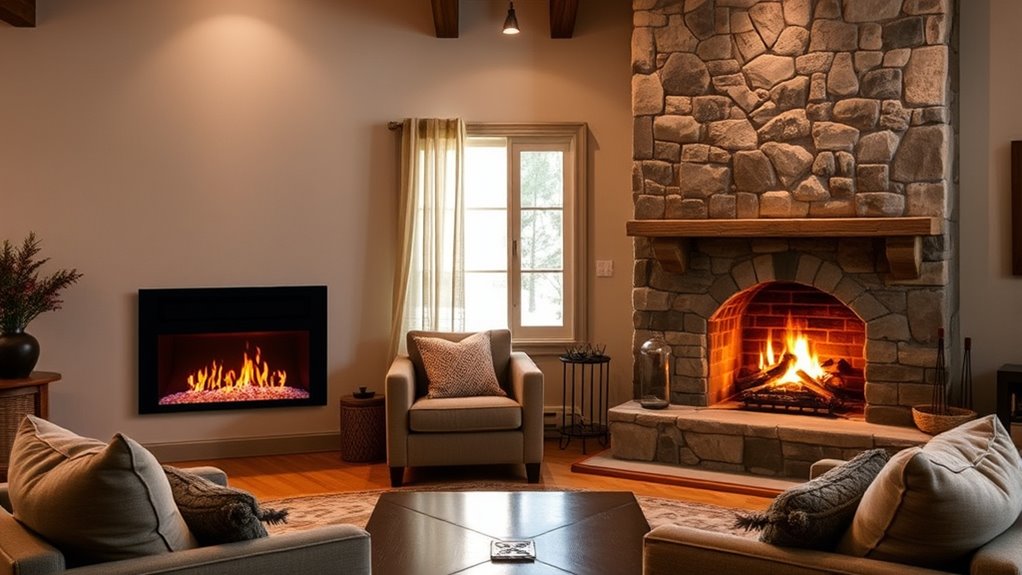

When considering an electric fireplace versus a traditional fireplace, think about your priorities. Electric options are energy-efficient, low-cost to install, and require minimal maintenance, making them convenient. On the other hand, traditional fireplaces offer classic charm and an authentic ambiance that many homeowners love. Each choice has its benefits, so weigh what matters most to you. Keep exploring to discover more about how each option can enhance your home’s warmth and atmosphere.
Key Takeaways
- Electric fireplaces are more energy-efficient, converting nearly all energy into heat, while traditional fireplaces lose significant heat through the chimney.
- Installation of electric fireplaces is easier and cheaper, requiring only a standard outlet, unlike the extensive construction for traditional fireplaces.
- Maintenance for electric fireplaces is minimal, needing only dusting and occasional bulb changes, while traditional fireplaces require regular cleaning and chimney sweeping.
- Traditional fireplaces offer a classic aesthetic and authentic ambiance, including crackling sounds, which many homeowners find appealing.
- Electric fireplaces provide predictable energy costs and lower long-term expenses, making them a practical choice for budget-conscious consumers.
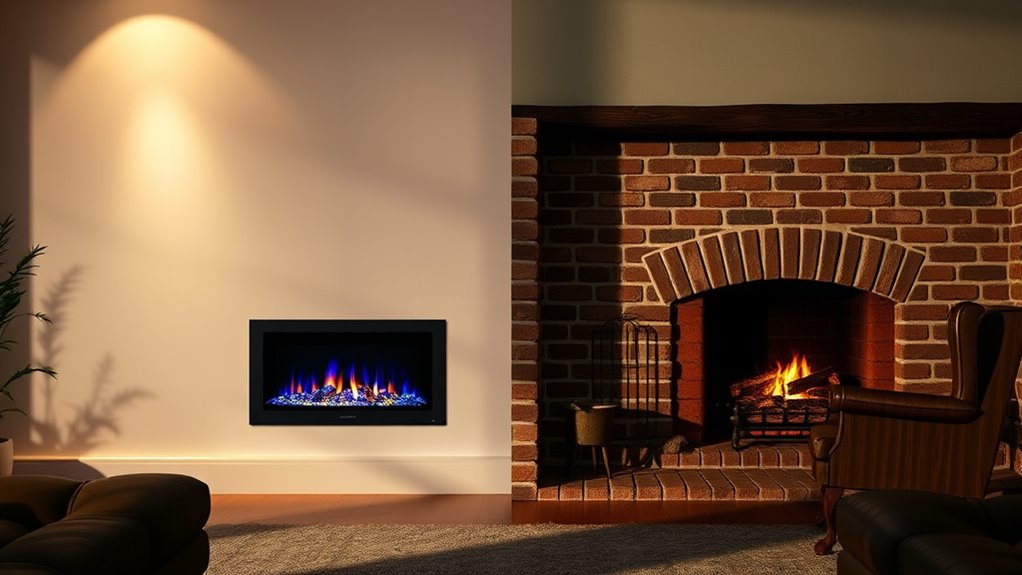
When you’re contemplating how to heat your home, the choice between an electric fireplace and a traditional fireplace can be intimidating. You want to make the best decision for your space, budget, and lifestyle. Each option has its distinct advantages and drawbacks, so it’s essential to weigh them carefully.
One of the primary factors to consider is energy efficiency. Electric fireplaces generally come out on top in this area. They convert almost all their energy into heat, meaning you get more warmth for your money. With fluctuating energy costs, knowing you’ll have a reliable heat source that minimizes waste can be a huge relief. Traditional fireplaces, on the other hand, often lose a significant amount of heat through the chimney, which can lead to higher energy bills. If you’re looking to save on heating costs over time, an electric fireplace might be the way to go.
Energy efficiency is crucial; electric fireplaces convert nearly all energy into heat, minimizing waste and saving on heating costs.
Another essential consideration is installation costs. Electric fireplaces are typically easier and less expensive to install. You don’t need to worry about flues or vents, and in many cases, you can simply plug them into an outlet. This means you can set one up in nearly any room without major renovations. Traditional fireplaces require extensive construction, including a chimney and potentially costly retrofitting if your home isn’t already equipped. You’ll have to factor in these installation costs, which can be a significant deterrent if you’re on a tight budget.
Maintenance is also a key point to consider. Electric fireplaces require minimal upkeep. You won’t need to deal with ash, soot, or creosote buildup. Just a quick dusting and the occasional bulb replacement are all that’s necessary. Traditional fireplaces demand regular cleaning and maintenance, including chimney sweeps, which can add to your long-term costs.
In terms of ambiance, traditional fireplaces offer a nostalgic charm and a crackling sound that many find hard to replicate. Electric fireplaces, while they can mimic the look of flames, often lack that authentic feel. However, they can still create a cozy atmosphere with adjustable settings and flame effects.
Ultimately, the choice between an electric fireplace and a traditional fireplace boils down to your priorities. If energy efficiency and low installation costs are high on your list, an electric option could be the best fit for you. If you value the classic charm and experience of a traditional fire, be prepared for the additional costs and maintenance. Additionally, investing in reliable power sources can enhance your overall heating experience, ensuring that your whole-home backup power is available when needed.

R.W.FLAME Electric Fireplace Heater 25" with Remote Control, Cathedral Stylish, Different Flame Effects and Log Set Colors, Adjustable Brightness and Heating Mode, Overheating Safe Design
Realistic Flame Effect: Gorgeous realistic dancing flames and burning log design make the effect of true flame of…
As an affiliate, we earn on qualifying purchases.
As an affiliate, we earn on qualifying purchases.
Frequently Asked Questions
Can Electric Fireplaces Be Used During a Power Outage?
No, electric fireplaces can’t be used during a power outage unless they have a battery backup. If you want to guarantee warmth during outages, consider investing in portable units with this feature. These units can keep you cozy even when the power goes out, giving you peace of mind. Just make sure to check the specifications before buying to confirm they offer battery support for those unexpected moments without electricity.
Are Traditional Fireplaces Safe for Children and Pets?
Traditional fireplaces can pose safety risks for children and pets if you don’t take precautions. To guarantee fireplace safety, consider installing childproof features like screens or gates to keep them at a safe distance. Always supervise little ones and furry friends when the fireplace is in use. It’s also wise to teach them about fire safety and the dangers of getting too close to the flames or hot surfaces.
How Do I Maintain My Electric Fireplace?
Did you know that about 80% of electric fireplace users find them easier to maintain than traditional ones? To keep your electric fireplace in top shape, regularly dust it and check the remote for battery life. For troubleshooting issues, make sure the unit’s plugged in and the circuit breaker is fine. If it malfunctions, consult the manual or contact customer support. Following these maintenance tips helps ensure your fireplace runs smoothly and efficiently.
What Fuel Types Are Used in Traditional Fireplaces?
Traditional fireplaces typically use two main fuel types: wood burning and gas fueled. If you choose wood, you’ll enjoy the classic crackle and aroma, but you’ll need to manage logs and ash. Gas fueled options offer convenience, igniting with a switch and providing consistent heat without the mess. Depending on your preferences, both options bring warmth and ambiance to your space, so consider what fits your lifestyle best before making a choice.
Can Electric Fireplaces Be Installed in Any Room?
You can totally install electric fireplaces in almost any room, transforming your space into a cozy haven. With minimal installation complexity, they seamlessly enhance room aesthetics without the hassle of traditional setups. Whether it’s your living room, bedroom, or even a bathroom, they fit right in, adding that perfect touch of warmth and style. Just plug it in, and you’re ready to enjoy the ambiance without any fuss!

Buck Stove Fireplace Insert Model 21 | Non-Catalytic, 28,901 BTUs (Covers 1,800 Square Feet) | Wood Burning with Heat Activated Blower | Black Door with 12" Faceplate Trim Kit
Powerful Heating: Efficiently heats small to medium-sized spaces with up to 28,901 BTUs, ensuring warmth even in every…
As an affiliate, we earn on qualifying purchases.
As an affiliate, we earn on qualifying purchases.
Conclusion
In the end, whether you choose an electric fireplace or a traditional one depends on your lifestyle and preferences. Did you know that nearly 60% of homeowners prefer electric fireplaces for their convenience and safety? Imagine cozying up to a flickering flame without the hassle of wood or ash. Both options have their advantages, but if you’re looking for ease and modern charm, an electric fireplace might just be the perfect fit for your home.
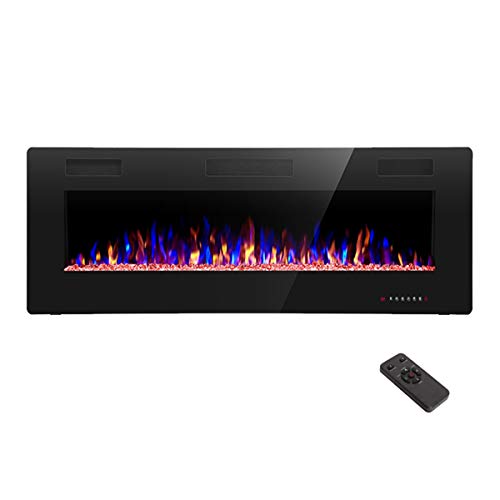
R.W.FLAME Electric Fireplace 50 inch Recessed and Wall Mounted,The Thinnest FireplaceLow Noise, Fit for 2 x 6 Stud, Remote Control with Timer,Touch Screen,Adjustable Flame Colors and Speed
Attractive and Practical Design:3.86"D x 50"W x 18.11"H ,The thickness of the new style is only 3.86 inches…
As an affiliate, we earn on qualifying purchases.
As an affiliate, we earn on qualifying purchases.

Holikme 30 Feet Dryer Vent Cleaner Kit, Flexible Lint Brush with Drill Attachment, Fireplace Chimney Brushes Extends Up to 30 Feet for Easy Cleaning, Use with or Without a Power Drill
Home Essentials: Fireplace chimney brushes includes two high quality synthetic brush head and flexible rods that extend up…
As an affiliate, we earn on qualifying purchases.
As an affiliate, we earn on qualifying purchases.