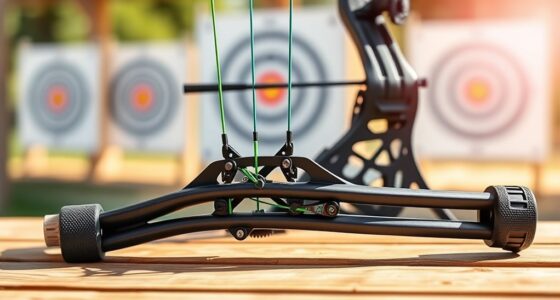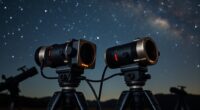
Finding the right tripod or pier mount for astrophotography involves balancing stability, portability, and ease of setup. The Sky-Watcher Wave 150i Pro Mount Kit stands out as the overall best for its solid build and versatile features. For those prioritizing portability, the Sky-Watcher Star Adventurer 2i Pro offers excellent performance in a compact form. Meanwhile, the iOptron SkyGuider Pro provides a great middle ground for serious amateurs. Each option involves tradeoffs—more robust mounts tend to be heavier and less portable, while lighter setups may sacrifice stability. Continue reading for a detailed breakdown to help you find the ideal setup for your astrophotography needs.

Get kitchen gear delivered free — and shop member deals
- Fast, free delivery on millions of items
- Access to Prime Big Deal Days deals on October 6–7
- Prime Video, Amazon Music and more included
Complete the kit
Key Takeaways
- The best mounts balance stability with ease of setup and transportation, especially for outdoor use.
- Premium options often offer advanced tracking features but come at higher costs and added weight.
- Portability is a key factor for astrophotographers who travel frequently or shoot in remote locations.
- Build quality and materials, such as carbon fiber, significantly impact durability and weight.
- Understanding your payload capacity and compatibility with your camera and telescope helps prevent performance issues.
| Sky-Watcher Wave 150i Pro Mount Kit with Carbon Fiber Tripod and Extension Tube |  | Best Overall for Portable Precision Astrophotography | Mount Type: Strain wave | Payload Capacity: 33 lbs | Weight: 12.8 lbs | VIEW ON AMAZON | See Our Full Breakdown |
| Sky-Watcher AZ-EQ6 Mount – Multi-Purpose GoTo SynScan Dual OTA Mount – EQ and Dual AZ Modes – 44 Pound Payload Capacity |  | Best for Versatile Use in Both Visual and Astrophotography Applications | Payload Capacity: 44 pounds | Mount Type: Dual Mode (EQ and AZ) | Included Accessories: Mount head, tripod, counterweights | VIEW ON AMAZON | See Our Full Breakdown |
| Celestron CGEM II Computerized Equatorial Mount & Tripod – 40lb Payload |  | Best for Precision Tracking and Automated Control | Payload Capacity: 40 lbs | Tripod Weight: 20 lbs | Mount Weight: 40 lbs | VIEW ON AMAZON | See Our Full Breakdown |
| iOptron SkyHunter Extension Pier and Tripod |  | Best for Stable Support with Specific Mount Compatibility | Material: Stainless steel, aluminum | Tripod diameter: 1.25 inches | Pier height: 7.5 inches | VIEW ON AMAZON | See Our Full Breakdown |
| Sky-Watcher Star Adventurer Tripod |  | Best Budget Support for Beginners and Light Use | Brand: Sky-Watcher | Model Name: Star Adventurer Tripod | Item Length: 45 inches | VIEW ON AMAZON | See Our Full Breakdown |
| iOptron SkyTracker Pro Camera Mount with Polar Scope |  | Best Portable Trackers for Night Sky Photography | Payload: 6.6 lbs (3 kg) | Tracking Speed: 1X Cel, 1/2 Cel, Solar, Lunar, N/S | Charging: Micro USB (5V), 80% charge in 5 hours | VIEW ON AMAZON | See Our Full Breakdown |
| Sky-Watcher Wave 100i Pro Mount Kit with Carbon Fiber Tripod and Extension Tube |  | Best Lightweight Precision Mount for Travel and Versatility | Payload Capacity: 44 pounds | Weight: 9.5 pounds | Mount Type: Strain wave, AZ and EQ modes | VIEW ON AMAZON | See Our Full Breakdown |
| iOptron SkyGuider Pro Camera Mount Full Package |  | Best All-Metal Mount for Long-Exposure Astrophotography | Weight: 2.2 lbs (1.00kg) | Payload Capacity: 11 lbs (4.99kg) | Latitude Adjustment Range: -30° to 65° | VIEW ON AMAZON | See Our Full Breakdown |
| Sky-Watcher Star Adventurer 2i Pro Pack |  | Best Portable, Versatile Mount for Wide-Field and Telescope Use | Product Dimensions: 13.9 x 9.6 x 6.3 inches | Item Weight: 7 pounds | Model Number: S20512 | VIEW ON AMAZON | See Our Full Breakdown |
| Sky-Watcher Star Adventurer GTI Mount Kit with Counterweight, Tripod, and Pier Extension |  | Best Full-Feature Portable Mount with GoTo and Pier Extension | Mount Type: GoTo EQ Tracking Mount | Includes: Counterweight, CW bar, Tripod, Pier Extension | Features: Built-in polar scope with illuminator, WiFi | VIEW ON AMAZON | See Our Full Breakdown |
| tripods and pier mounts for astrophotography | Payload Capacity |
|---|---|
| Sky-Watcher Wave 150i Pro Moun | 33 lbs |
| Sky-Watcher AZ-EQ6 Mount | 44 pounds |
| Celestron CGEM II Computerized | 40 lbs |
| iOptron SkyHunter Extension Pi | — |
| Sky-Watcher Star Adventurer Tr | — |
| iOptron SkyTracker Pro Camera | — |
| Sky-Watcher Wave 100i Pro Moun | 44 pounds |
| iOptron SkyGuider Pro Camera M | 11 lbs (4.99kg) |
| Sky-Watcher Star Adventurer 2i | — |
| Sky-Watcher Star Adventurer GT | — |
More Details on Our Top Picks
Sky-Watcher Wave 150i Pro Mount Kit with Carbon Fiber Tripod and Extension Tube
The Sky-Watcher Wave 150i Pro stands out for its high-precision strain wave mount, which offers extraordinarily smooth and accurate tracking—crucial for astrophotography. Compared to the iOptron SkyHunter, it provides better tracking stability and advanced connectivity options, although it’s slightly less versatile in mount modes. Its lightweight carbon fiber tripod enhances portability without sacrificing rigidity, making it ideal for travel-focused astrophotographers. However, the need for an external power supply and a more complex setup could be hurdles for beginners or casual users. The advanced cable management and multiple tracking modes make this model suited for those who prioritize performance in a portable package. Still, its higher price and setup complexity mean it’s best for dedicated amateurs rather than casual stargazers.
Pros:- High-precision strain wave technology for smooth, accurate tracking
- Lightweight yet robust carbon fiber tripod enhances portability
- Advanced connectivity options including Wi-Fi and Bluetooth
- Strong payload capacity of 33 lbs supports various optical setups
Cons:- Power supply not included, requiring an additional purchase
- Complex setup that may intimidate beginners
- Higher price point may be a barrier for casual users
Best for: Serious amateur astrophotographers who need a lightweight, high-precision mount for travel or fieldwork.
Not ideal for: Beginners or casual skywatchers who prefer plug-and-play simplicity and minimal setup effort.
- Mount Type:Strain wave
- Payload Capacity:33 lbs
- Weight:12.8 lbs
- Tripod Material:Carbon fiber
- Slew Rate:7.5 degrees/sec
- Connectivity:Wi-Fi and Bluetooth
- Latitude Range:0–90 degrees
Our verdict“This mount is perfect for dedicated astrophotographers seeking portability and precision, willing to manage a more involved setup.”
Sky-Watcher AZ-EQ6 Mount – Multi-Purpose GoTo SynScan Dual OTA Mount – EQ and Dual AZ Modes – 44 Pound Payload Capacity
The Sky-Watcher AZ-EQ6 is a flexible mount supporting both equatorial and Alt-Az modes, making it suitable for a wide range of astrophotography and visual observing setups. Unlike the Celestron CGEM II, which leans heavily toward astrophotography with computerized tracking, the AZ-EQ6’s dual-mode operation offers more flexibility for users who want to switch between planetary viewing and long-exposure astrophotography without changing mounts. Its high payload capacity of 44 pounds allows for larger telescopes, but its weight and size can make transport challenging. The belt drive technology ensures smooth, quiet slewing, although the setup complexity and weight may deter those seeking a portable, quick-deploy solution. This mount is ideal for advanced amateurs who value multi-mode functionality and high payload support.
Pros:- Supports both EQ and Alt-Az modes for maximum flexibility
- High payload capacity of 44 lbs supports large telescopes
- Belt drive technology ensures smooth, quiet operation
- Dual encoders allow manual operation without losing alignment
Cons:- Heavy and bulky, challenging to transport
- Setup requires technical familiarity
- Higher price compared to single-mode mounts
Best for: Amateur astronomers who need a versatile, high-capacity mount for both visual and astrophotography work.
Not ideal for: Travelers or those with limited space who require a lightweight, easy-to-carry mount.
- Payload Capacity:44 pounds
- Mount Type:Dual Mode (EQ and AZ)
- Included Accessories:Mount head, tripod, counterweights
- Connectivity:SynScan hand controller
- Weight:unknown
- Warranty:Two-year
Our verdict“This mount excels for users needing adaptable, high-capacity support for diverse observational and imaging needs, accepting setup complexity.”
Celestron CGEM II Computerized Equatorial Mount & Tripod – 40lb Payload
The Celestron CGEM II offers a robust platform for astrophotography thanks to its high payload capacity and precise computerized tracking. Unlike the Sky-Watcher Wave 150i Pro, which emphasizes portability, the CGEM II prioritizes stability and detailed object targeting via its NexStar+ controller and extensive database. Its heavier components and tripod mean it’s less suitable for frequent transport but excel in a stable, permanent setup. The auto-alignment features simplify initial setup, making it accessible for users comfortable with basic electronics. While the weight and setup complexity could be drawbacks for mobile users, this mount’s dependable performance makes it a strong choice for dedicated observatories or home setups where stability is paramount.
Pros:- High payload capacity of 40 lbs supports large telescopes
- Advanced computerized controls with large object database
- AutoAlign and 2-Star Align ease initial setup
- Precise sidereal, solar, and lunar tracking modes
Cons:- Heavy and less portable for field use
- Requires some technical familiarity for setup
- Bulkier tripod may limit space in small observatory environments
Best for: Advanced amateurs or semi-professional astronomers seeking a reliable, computerized mount for serious astrophotography.
Not ideal for: Mobile users or beginners who prefer lightweight, quick-deploy mounts with minimal setup.
- Payload Capacity:40 lbs
- Tripod Weight:20 lbs
- Mount Weight:40 lbs
- Tracking Modes:Sidereal, Solar, Lunar
- Control:NexStar+ hand controller
- AutoAlign:Yes
Our verdict“This mount is well-suited for users prioritizing stability, automation, and precision, with less focus on portability.”
iOptron SkyHunter Extension Pier and Tripod
The iOptron SkyHunter Extension Pier and Tripod provide a sturdy, reliable foundation for SkyHunter and other compatible mounts, emphasizing durability and stability. Compared to the Sky-Watcher Star Adventurer Tripod, which is more portable but less robust, the SkyHunter setup offers enhanced support for heavier loads and more precise positioning. Its stainless steel tripod and aluminum pier withstand environmental elements better, making it suitable for field work. However, its limited compatibility and the need for assembly and proper alignment can be drawbacks for users seeking a quick, universal solution. This product is best for dedicated setups where stability outweighs portability or rapid deployment.
Pros:- Durable stainless steel tripod and aluminum pier for stability
- Compatible with multiple iOptron mounts
- Supports precise astrophotography and observation setups
- Sturdy construction withstands outdoor conditions
Cons:- Limited to specific mount models
- Requires assembly and proper alignment
- No included mounting accessories
Best for: Astrophotographers with SkyHunter mounts who need a durable, stable support structure for long exposures.
Not ideal for: Casual or portable users who require lightweight, quick-to-set-up tripods for occasional use.
- Material:Stainless steel, aluminum
- Tripod diameter:1.25 inches
- Pier height:7.5 inches
- Mounting hole:3/8-16 or 2x M6
- Flange diameter:82mm
- Tube diameter:58mm
Our verdict“This tripod and pier combination is ideal for users who prioritize stability and durability over portability and quick setup.”
Sky-Watcher Star Adventurer Tripod
The Sky-Watcher Star Adventurer Tripod offers a straightforward, reliable support base for various Star Adventurer mounts, making it accessible for newcomers. Its sturdy construction ensures stability during astrophotography sessions, but it lacks detailed specifications such as weight capacity or portability features, which makes it less suited for heavier or more complex setups. Unlike more advanced tripods, this model focuses on ease of use and compatibility, ideal for those just starting out or with lightweight equipment. The absence of additional accessories means users might need to upgrade for more demanding setups. Overall, this tripod provides a solid foundation for casual astrophotography and beginner exploration.
Pros:- Compatible with multiple Star Adventurer models and mounts
- Sturdy construction suitable for astrophotography
- Two-year limited warranty offers peace of mind
Cons:- Limited details on weight capacity and portability
- No additional accessories included
- Designed primarily for lighter, beginner setups
Best for: Beginners or casual astrophotographers using Star Adventurer mounts who need a simple, reliable tripod.
Not ideal for: Experienced users or those with heavier equipment needing more stability or additional features.
- Brand:Sky-Watcher
- Model Name:Star Adventurer Tripod
- Item Length:45 inches
- Included Components:Tripod
- Warranty:Two-year
Our verdict“This tripod is a dependable choice for beginners seeking a stable base for light astrophotography projects.”
iOptron SkyTracker Pro Camera Mount with Polar Scope
The iOptron SkyTracker Pro excels as a lightweight, portable solution for astrophotographers who need reliable star tracking without heavy gear. Its support for multiple tracking speeds, including lunar and solar modes, makes it versatile for different celestial subjects, and its automatic RA tracking ensures accuracy for long exposures. Compared with the Sky-Watcher Star Adventurer 2i Pro Pack, it offers a simpler, more compact design but sacrifices payload capacity, limiting users who want to attach larger cameras or lenses. The need for external power via Micro USB can be a hassle during extended sessions, but its portability and automatic tracking make it ideal for quick trips or field work. This model is best suited for amateur astrophotographers seeking a lightweight, dedicated star tracker for handheld or tripod-based use, but less ideal for those wanting to mount heavier equipment or needing integrated smartphone control.
Pros:- Supports multiple tracking speeds for different celestial objects
- Highly portable with a padded carrying bag
- Automatic RA tracking for consistent star movement correction
Cons:- Limited payload capacity of 6.6 lbs restricts larger setups
- Requires external power source, which may be inconvenient during long sessions
Best for: Beginners and travel-focused astrophotographers needing a lightweight, easy-to-transport star tracker
Not ideal for: Users planning to mount heavy camera setups or requiring built-in smartphone control for advanced imaging
- Payload:6.6 lbs (3 kg)
- Tracking Speed:1X Cel, 1/2 Cel, Solar, Lunar, N/S
- Charging:Micro USB (5V), 80% charge in 5 hours
- Color:Black
- Worm period:600 sec
- Bearing:4 pieces
- Motor drive:DC servo
Our verdict“This is an excellent choice for lightweight, portable astrophotography, especially for beginners or quick field trips.”
Sky-Watcher Wave 100i Pro Mount Kit with Carbon Fiber Tripod and Extension Tube
The Sky-Watcher Wave 100i Pro Mount Kit offers a compelling balance of high-precision tracking and portability, making it suitable for those who want a versatile mount for both astrophotography and general astronomy. Its strain wave gear provides smoother, more precise movement than typical gear systems, and the included carbon fiber tripod adds durability while keeping weight low. Unlike the iOptron SkyTracker Pro, which is more of a camera tracker, the Wave 100i supports heavier payloads up to 44 pounds, making it suitable for more ambitious setups. Its Wi-Fi and Bluetooth capabilities simplify remote operation, but the power supply (12V 2A) isn’t included, and some users may find the initial setup complex. This mount best serves intermediate users who need a lightweight, high-precision solution for travel and varied tracking modes, but less so for beginners who prefer plug-and-play simplicity.
Pros:- Lightweight yet supports payloads up to 44 pounds
- High-precision strain wave gear for smooth tracking
- Includes durable carbon fiber tripod and extension tube
Cons:- Power supply not included, requiring additional purchase
- Setup may be complex for users unfamiliar with advanced mounts
Best for: Amateur astronomers seeking a portable, high-precision mount capable of supporting heavier equipment
Not ideal for: Beginners or users who want an all-in-one, plug-and-play astrophotography solution without additional setup
- Payload Capacity:44 pounds
- Weight:9.5 pounds
- Mount Type:Strain wave, AZ and EQ modes
- Features:Wi-Fi, Bluetooth, RA and Dec home positions
- Warranty:Two-year limited
Our verdict“Ideal for enthusiasts who need a portable, precise mount capable of supporting robust setups and multiple tracking modes.”
iOptron SkyGuider Pro Camera Mount Full Package
The iOptron SkyGuider Pro stands out as a rugged, all-metal mount designed for serious astrophotographers who need stability and extended tracking. Supporting payloads up to 11 lbs, it can handle a broad range of camera and lens combinations, making it more versatile than smaller trackers like the Sky-Watcher Star Adventurer 2i Pro. Its precise polar alignment with an integrated polar scope and adjustable base offers enhanced accuracy for long exposures. While its weight (2.2 lbs) makes it portable, its sturdy build demands more careful handling, and the setup process can be somewhat complex for newcomers. This mount provides a reliable platform for long-exposure astrophotography but isn’t suited for very heavy telescopic setups or users seeking a quick, lightweight option.
Pros:- All-metal construction ensures durability and stability
- Supports payloads up to 11 lbs for versatile camera setups
- Precise polar alignment with integrated polar scope
Cons:- Relatively heavy for a portable mount, affecting quick setup
- Setup may require some experience to achieve optimal alignment
Best for: Intermediate to advanced astrophotographers aiming for long-exposure, wide-field, or deep-sky imaging
Not ideal for: Beginners or those mounting heavyweight telescopes who need a high payload capacity
- Weight:2.2 lbs (1.00kg)
- Payload Capacity:11 lbs (4.99kg)
- Latitude Adjustment Range:-30° to 65°
- Tracking Speeds:1X, 1/2X, solar, lunar
- Battery Life:Up to 20 hours
- Ports:ST-4 auto guiding, HBX, micro USB
Our verdict“Designed for dedicated astrophotographers seeking a durable, precise mount for long-exposure imaging, but less suitable for quick trips or very heavy equipment.”
Sky-Watcher Star Adventurer 2i Pro Pack
The Sky-Watcher Star Adventurer 2i Pro Pack offers a flexible, lightweight platform tailored for astrophotographers who want portability combined with advanced features. Its Wi-Fi connectivity allows for smartphone control, simplifying operation during field shoots. Its all-metal gear system provides durability for extended sessions, and the ability to convert into an equatorial mount with optional accessories extends its versatility. Compared with the Sky-Watcher Wave 100i Pro Mount, it is more focused on portability and ease of use, though it may require additional accessories for full equatorial functionality. Its weight (7 lbs) and battery dependency make it less ideal for very long, heavy-hardware sessions but perfect for wide-field imaging and time-lapse work on the go.
Pros:- Portable and lightweight for easy transport
- Wi-Fi connectivity enables smartphone control
- Supports both wide-field and telescopic astrophotography
Cons:- Requires optional accessories for full equatorial functionality
- Batteries are not included, adding extra setup considerations
Best for: Travelers and amateur astronomers needing a lightweight, smartphone-controllable mount for wide-field astrophotography
Not ideal for: Users who require a dedicated, fully integrated mount for heavy telescopes or long-exposure deep-sky imaging without accessories
- Product Dimensions:13.9 x 9.6 x 6.3 inches
- Item Weight:7 pounds
- Model Number:S20512
- Batteries:Lithium Metal (not included)
Our verdict“A flexible, user-friendly mount perfect for travel and wide-field astrophotography with smartphone control, but not for heavy, long-term setups.”
Sky-Watcher Star Adventurer GTI Mount Kit with Counterweight, Tripod, and Pier Extension
The Sky-Watcher Star Adventurer GTI Kit provides a comprehensive package for astrophotographers needing a portable, fully equipped mount with GoTo capabilities. Its built-in WiFi and polar scope with an illuminator facilitate easy remote operation and accurate polar alignment, making it suitable for extended astrophotography sessions. Compared to the iOptron SkyGuider Pro, it offers a more complete kit including a pier extension and counterweight, supporting more stable, heavier setups. Its portability is balanced by the need for setup and calibration, which can be a hurdle for newcomers. The payload capacity is limited compared to larger mounts, but it’s ideal for those seeking a versatile, all-in-one solution that can handle a wide range of astrophotography tasks on the go.
Pros:- Full GoTo tracking with WiFi remote control
- Includes counterweight, pier extension, and polar scope
- Portable and lightweight design for field use
Cons:- Setup and calibration can be time-consuming
- Limited payload capacity for large telescopes
Best for: Intermediate users needing a portable, full-featured mount with GoTo and remote control capabilities
Not ideal for: Beginners or those with heavy telescope setups requiring high payload capacity and quick setup
- Mount Type:GoTo EQ Tracking Mount
- Includes:Counterweight, CW bar, Tripod, Pier Extension
- Features:Built-in polar scope with illuminator, WiFi
Our verdict“Perfect for users who want a versatile, portable mount with advanced features for astrophotography and remote operation, but less suitable for heavy or quick deployment needs.”
How We Picked
These products were selected based on a combination of build quality, stability, ease of setup, versatility, and value for money. We prioritized mounts that cater to a range of skill levels, from casual astrophotographers to more dedicated amateurs. Special attention was given to features like tracking accuracy, payload capacity, and adaptability to different setups. The ranking reflects a balance between performance and practicality, ensuring each pick offers a clear advantage for specific user needs while considering tradeoffs such as weight and complexity.Factors to Consider When Choosing Tripods And Pier Mounts For Astrophotography
Choosing the right tripod or pier mount for astrophotography involves understanding several critical factors. Each element impacts your ability to capture sharp, stable images and the overall convenience of your setup. Considering these factors carefully can help avoid common pitfalls like instability or excessive weight, which can hinder your astrophotography experience.Stability and Build Quality
Stability is paramount in astrophotography, where even minor vibrations can blur images. Look for mounts with sturdy construction, such as heavy-duty aluminum or carbon fiber, which resist flexing and vibrations. A well-built mount reduces the need for frequent readjustments and ensures consistent tracking, especially during long exposure sessions. However, increased stability often comes with added weight, so finding the right balance is key—consider your transport options and how often you’ll set up or break down your gear.
Ease of Setup and Portability
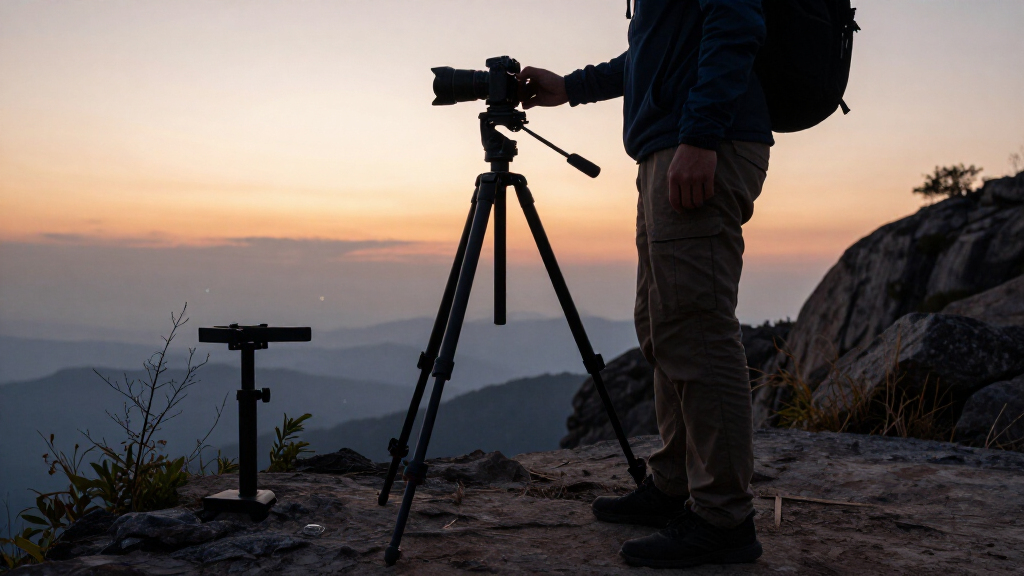
Ease of setup is a vital consideration, particularly if you frequently shoot in different locations. Mounts with quick-release plates, intuitive controls, and minimal assembly steps save significant time. Portability also involves weight and size; lightweight options like the Star Adventurer are ideal for travel, but they may sacrifice some stability compared to larger, more robust mounts. Think about your typical shooting environment—if you hike to dark sky sites, lighter gear will be more practical.
Payload Capacity and Compatibility
Ensure your chosen mount can handle the weight of your camera, telescope, and accessories. Overloading can cause tracking inaccuracies and damage. Check the manufacturer’s specifications for maximum payload—exceeding this limit risks instability and equipment failure. Compatibility with your existing gear is equally important; some mounts are designed primarily for camera astrophotography, while others support larger telescopes and dual-OTA setups. Planning for future upgrades can save money and hassle later.
Tracking and Automation Features
Accurate tracking is essential for long exposures, where even slight deviations can ruin an image. Higher-end mounts often include automatic tracking and GoTo capabilities, simplifying alignment and object targeting. While these features improve ease of use, they also increase cost and complexity. For casual or beginner astrophotographers, manual tracking may be sufficient, but serious amateurs will benefit from automation to maximize imaging time and quality.
Price and Value
Price ranges vary widely, from affordable portable mounts to expensive, feature-rich platforms. Consider your budget alongside your goals—investing in a more capable mount can pay off through improved image quality and durability. However, cheaper options might lack stability or precision, leading to frustration. Evaluate features that matter most for your use case and look for models offering the best balance of performance and cost. Sometimes, paying a bit more upfront reduces the need for upgrades later.
Frequently Asked Questions
Can I use a standard camera tripod for astrophotography?
While a standard camera tripod might work for quick shots or beginner experiments, it generally lacks the stability and tracking capabilities needed for high-quality astrophotography. Long exposures require precise, vibration-free setups, which typical tripods are not designed to provide. Upgrading to a dedicated astrophotography mount or pier ensures better stability, tracking accuracy, and overall image quality, especially for detailed or long-duration imaging sessions.
What is the advantage of a pier mount over a tripod?
A pier mount offers increased stability and reduced vibrations compared to a standard tripod, especially in permanent or semi-permanent setups. Piers also raise your equipment to a more comfortable working height and can support heavier loads, making them suitable for large telescopes and advanced imaging setups. However, they are less portable and more expensive, making them better suited for dedicated observatories or fixed installations rather than fieldwork.
How important is payload capacity when choosing a mount?
Payload capacity is critical because exceeding it can compromise the mount’s tracking accuracy and stability. It’s wise to choose a mount with a capacity slightly above your planned gear weight, providing a safety margin for future upgrades. Overloading can lead to vibrations, tracking errors, and even mechanical damage. Properly matching your equipment to the mount’s specifications ensures consistent performance and longevity of your setup.
Should I prioritize automation features or manual control?
This depends on your experience level and how you prefer to work. Automation features like GoTo and auto-tracking simplify object locating and tracking, saving time and reducing frustration during long sessions. They are especially helpful for beginners and those with complex setups. However, manual control offers more flexibility and can be less expensive, making it suitable for hobbyists who enjoy hands-on operation or are working in environments where automation isn’t feasible.
Is it better to buy a complete mount kit or assemble components separately?
Buying a complete mount kit simplifies the setup process and ensures all components are compatible, which can be a significant advantage for beginners. However, assembling components separately might offer more customization and the chance to select higher-quality parts tailored to your specific needs. For most users, especially those new to astrophotography, starting with a well-reviewed kit provides a good balance of convenience and performance, while experienced hobbyists may prefer custom setups for advanced features.
Conclusion
For general use and versatility, the Sky-Watcher Wave 150i Pro Mount Kit makes an excellent choice, especially for serious amateurs seeking stability and feature-rich operation. Beginners or those prioritizing portability will find the Sky-Watcher Star Adventurer 2i Pro to be a user-friendly and reliable option. The iOptron SkyGuider Pro strikes a balance for intermediate users needing solid tracking without excessive weight. For dedicated setups or permanent installations, investing in a high-capacity, professional-grade mount like the Sky-Watcher AZ-EQ6 provides future-proofing. Your choice should align with your experience level, portability needs, and the type of astrophotography you plan to pursue.
Fall Picks
fall essentials
As an affiliate, we earn on qualifying purchases.